 Tampa Window
 Hyde Park Roofs Work Harder Than Most
Hyde Park is one of Tampa's older, tree-lined neighborhoods, close enough to the water that salt air is a constant presence and open enough to catch the full force of a Gulf-driven storm system. A roof here isn't just shedding rain. It's dealing with intense year-round UV that breaks down shingle mat and sealant, hurricane-force wind gusts that test every fastener and flashing detail, wind-driven rain that finds any gap in the underlayment, and salt-laden air that accelerates corrosion on metal components. Add in mature tree canopy that many Hyde Park lots still have, and you get more debris, more shade-driven moisture retention, and more granular wear on shingles from falling limbs and acorns.
None of that means Hyde Park homes need exotic roofing. It means the installation has to be done correctly, with attention to the details that actually matter in this climate, rather than a generic install that would pass fine in a drier, calmer part of the country.
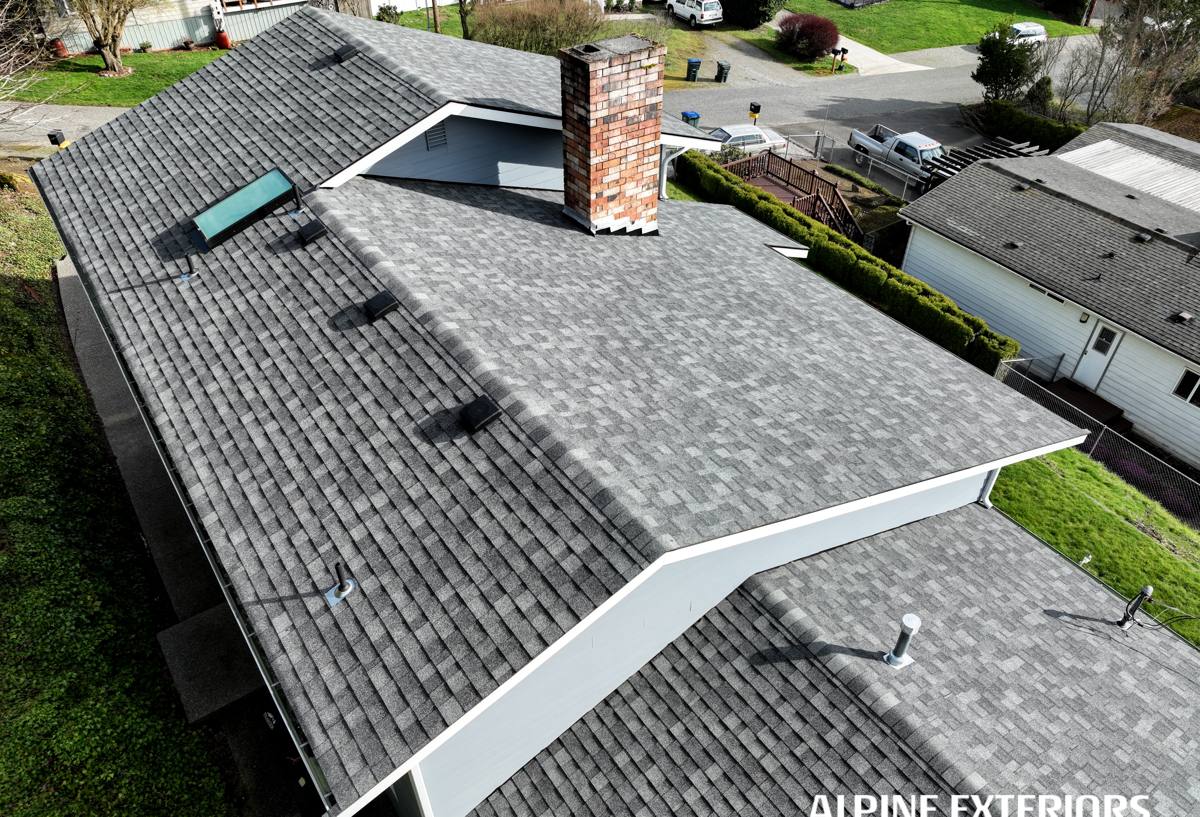
Signs You Need a New Roof, Not Another Repair
Roof replacement is a bigger decision than a repair, so it's worth being honest about when a repair stops making sense. Common indicators we look for on Hyde Park homes include:
- Shingles that are cupping, curling, or losing granules in large patches rather than isolated spots
- Multiple past repairs in different areas of the same roof, suggesting the underlying material is simply worn out
- Visible sagging in the roof deck, which points to moisture damage underneath the surface layer
- Daylight visible through the attic roof boards, or recurring interior water stains after wind-driven rain
- A roof that's approaching or past the manufacturer's expected service life for its material and local exposure
- Missing or lifted flashing around chimneys, skylights, or roof-to-wall transitions after storm events
If a roof is otherwise sound and the damage is localized, a repair is the honest answer. We won't recommend a full replacement when a targeted fix will hold up.
What a Correct New Roof Installation Actually Involves
Deck Inspection and Prep
The roof deck gets inspected once the old material is off, not before. Soft spots, rot, or delaminated sheathing get replaced before anything new goes down. Skipping this step is one of the most common shortcuts in the trade, and it's the one that causes the most expensive failures later.
Underlayment and Water Barrier
Given how much wind-driven rain Hillsborough County sees during tropical systems, the underlayment layer matters as much as the visible roofing material. Self-adhering waterproof membrane at eaves, valleys, and penetrations gives the roof a second line of defense if wind ever pushes water up under the primary covering.
Flashing Details
Flashing around chimneys, walls, skylights, and vents is where most leaks actually start, not in the open field of the roof. Correct step flashing, counter-flashing, and sealant work here is not optional trim — it's core to whether the roof performs in a storm.
Fastening for Wind Resistance
Florida Building Code sets minimum wind-uplift and fastening requirements for a reason. In a coastal-influenced area like Tampa, using the correct nailing pattern, fastener type, and adhesive sealant strip engagement is what keeps shingles attached when gusts hit roof edges and corners — typically the first place a roof fails in high wind.
Ventilation
Proper intake and exhaust ventilation keeps attic temperatures and moisture in check, which extends the life of the roofing material and helps with energy costs in Tampa's long, hot season. A new roof installed without addressing ventilation is missing a step that affects how long that roof will actually last.
Material Options for Hyde Park Homes
Hyde Park has a mix of historic-style homes and newer construction, and material choice depends on the look you want, your budget, and how the home is built. Here's an honest comparison of the main options we install:
| Material | Typical Lifespan | Wind & Storm Performance | Considerations |
|---|---|---|---|
| Architectural asphalt shingle | 20–30 years | Good, with high-wind rated products and correct fastening | Most economical, wide color range, easiest to match on additions or repairs |
| Standing seam metal | 40–50+ years | Excellent, especially with concealed fasteners | Higher upfront cost, strong resale appeal, needs a qualified metal roofing crew |
| Concrete or clay tile | 40–50+ years | Very good when properly fastened, but individual tiles can crack from impact | Heavier — deck must be engineered to support the load; common on older Tampa-style homes |
| Modified bitumen / low-slope systems | 15–20 years | Good on flat or low-slope sections when detailed correctly | Typically used for additions, porches, or low-slope tie-ins rather than the whole roof |
We'll walk through which option fits your home's structure, your budget, and whether the existing roof style or any historic district guidelines in your part of Hyde Park should factor into the decision.
Historic District and Permitting Considerations
Parts of Hyde Park fall within a designated historic district, which can mean additional design review for visible exterior changes, including roofing material and color in some cases. We pull the required City of Tampa permits on every full roof replacement regardless of location, and if your property is subject to historic guidelines, we'll flag that early so it doesn't become a surprise mid-project. It's far easier to confirm requirements before ordering material than to find out afterward that a color or profile needs adjusting.
Our Installation Process
- On-site inspection and estimate — we assess the current roof, attic ventilation, and deck condition, and give you a written scope and price.
- Material selection — we go over the options above based on your home's style, structure, and budget.
- Permitting — we handle the City of Tampa or Hillsborough County permit application before work begins.
- Tear-off and deck inspection — old roofing is removed and the deck is checked and repaired as needed.
- Underlayment and flashing installation — the water barrier and flashing details go in before the finished material.
- Roofing material installation — installed to manufacturer specs and Florida wind-uplift requirements.
- Cleanup and magnetic sweep — the site is cleared of debris and nails.
- Final walkthrough and permit closeout — we review the finished roof with you and close out the permit with the required inspection.
What Affects the Cost
| Factor | Why It Matters |
|---|---|
| Roof size and pitch | More surface area and steeper slopes mean more material and labor time |
| Number of layers to remove | Tear-off of multiple old layers adds disposal and labor cost |
| Deck condition | Rotted or delaminated sheathing found during tear-off requires replacement |
| Material chosen | Shingle, metal, and tile carry very different material and labor costs |
| Roof complexity | Valleys, dormers, chimneys, and skylights each add flashing work and time |
| Ventilation upgrades | Adding or correcting intake/exhaust vents affects both cost and long-term performance |
We don't quote a number without seeing the roof. Anyone who does is either guessing or not planning to account for what tear-off actually reveals.
Why Hiring a Crew That Already Works in Hyde Park Matters
A roof installed by a crew unfamiliar with Tampa's permitting process, wind-code requirements, or the way this climate degrades materials is a roof that's more likely to underperform when it matters most — during the next tropical system. Working regularly in Hillsborough County means we know what inspectors look for, how to detail a roof for wind-driven rain rather than just vertical rainfall, and what tends to fail first on homes with mature tree cover nearby. That familiarity shows up in fewer callbacks and a roof that holds up through storm season rather than just looking good on install day.
A Quick Checklist Before You Sign a Roofing Contract
- Get a written scope of work, not just a price — it should specify underlayment type, flashing approach, and fastening method
- Confirm the contractor pulls its own permit rather than asking you to owner-permit the job
- Ask what happens if deck rot is found during tear-off, and how that's priced
- Check that the manufacturer warranty requires a certified installer, and confirm the crew holds that certification if applicable
- Ask about ventilation as part of the scope, not as an optional add-on quoted separately
- Get the wind-uplift rating for your shingle or metal system and confirm it meets or exceeds Florida Building Code minimums for your area
If your Hyde Park roof is showing its age or didn't hold up the way it should through the last storm season, we're happy to take a look and give you a straight answer on repair versus replacement. Fill out the form below for a free, no-pressure estimate.