 Tampa Window
 New-Construction Windows for Carrollwood Homes
Carrollwood sits inland from Tampa Bay but still takes the full brunt of Hillsborough County weather: long, humid summers, intense UV exposure nearly year-round, sudden afternoon thunderstorms, and the real possibility of hurricane-force wind during the June-through-November storm season. When a home is being built from the ground up, or when a room addition, garage conversion, or full remodel opens up the wall framing, that's the one chance to get the window openings, flashing, and glass specification right before drywall and siding close everything in. New-construction windows are installed into a stud-framed rough opening before the exterior finish goes on, which is a different job — with different tolerances and different failure points — than replacing an existing window in a finished wall.
We install new-construction windows for builders, general contractors, and homeowners doing additions throughout Carrollwood and the surrounding Tampa area. This page covers what a correct new-construction install actually involves here, what the climate demands, and how our process works from rough opening to final trim.
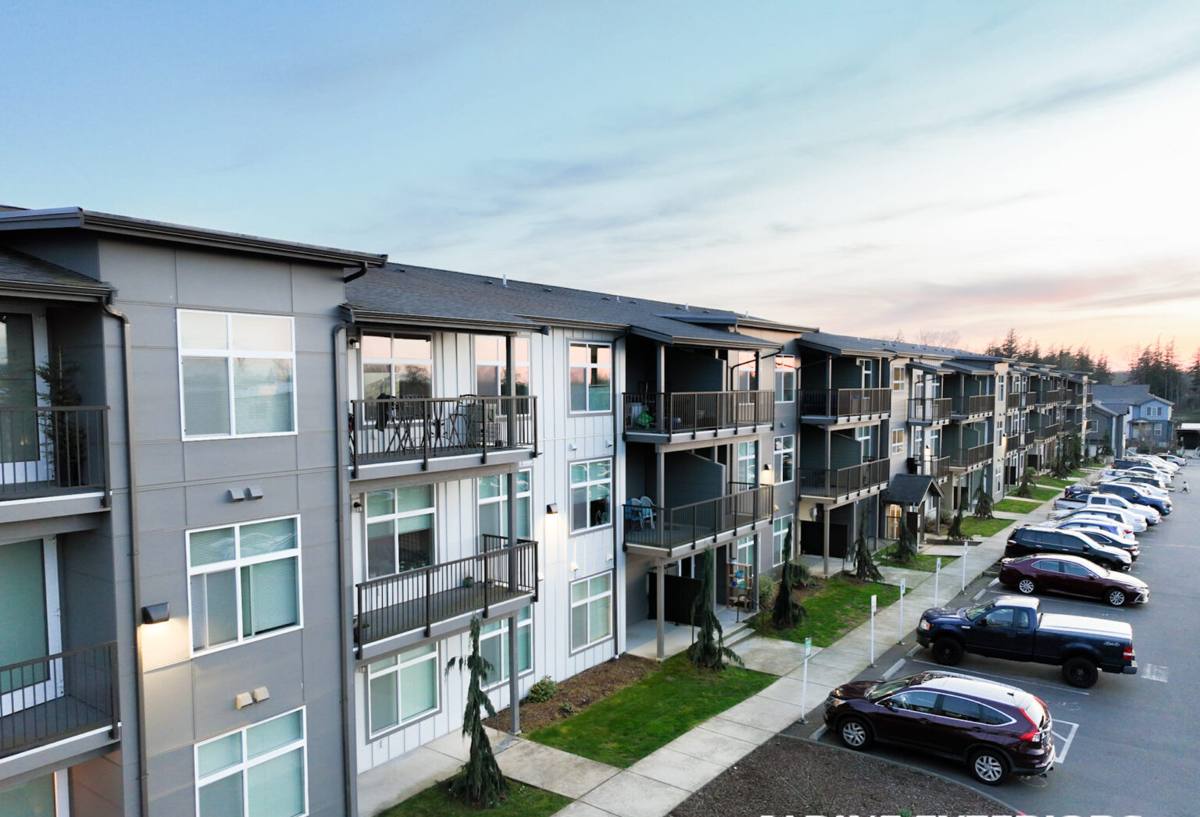
Why New-Construction Windows Are Different From Replacements
A new-construction window has a nailing fin (sometimes called a flange) around its perimeter that gets fastened directly to the wall sheathing before the house wrap and siding or stucco go on. That's fundamentally different from a replacement or "pocket" window, which slides into an existing frame with no access to the sheathing or the wall's weather-resistive barrier.
- The nailing fin ties into the home's water management system — house wrap, flashing tape, and eventually siding or stucco — as one continuous barrier.
- Rough openings can be sized and squared to the window, rather than the window being built to fit an old, possibly out-of-square opening.
- There's full access to the sill pan, jambs, and header during installation, which is when air and water sealing actually gets done right — not patched later.
- Because the opening isn't finished on either side yet, this is also the point where impact-resistant glass, upgraded frame reinforcement, or larger sightlines can be specified without extra demo cost.
What This Means for Carrollwood Projects
Whether it's a full new build, a second-story addition, an enclosed lanai, or a garage-to-living-space conversion, the framing stage is when the window's long-term performance against Florida weather gets locked in. Get the sill pan and flashing sequence wrong here, and you won't see the consequence until years later, as hidden water intrusion around the rough opening.
What Hillsborough County's Climate Demands From These Windows
Carrollwood doesn't sit directly on the coast, but it's still well within the wind-borne debris region for Hillsborough County, and the Florida Building Code treats it accordingly. A correct new-construction install here has to account for several things at once:
- Wind load and pressure ratings. Windows must be rated for the design pressures required by the current Florida Building Code for this area, and fastening schedules matter as much as the window's own rating — an under-fastened frame can fail even with a properly rated window.
- Wind-driven rain. Tropical storms and hurricanes here don't just bring wind; they push rain sideways and upward against the wall, which is why sill pan flashing and the shingle-lap sequencing of house wrap and flashing tape matter more than in drier climates.
- UV exposure. Florida sun degrades cheap vinyl, warps low-grade frames, and breaks down inferior sealants over time. Frame material and glazing coatings need to hold up to near-constant sun, not just occasional exposure.
- Humidity and condensation. Consistently high humidity means any gap in the seal around a window becomes a path for both bulk water and moisture vapor, which can lead to mold inside wall cavities if it's not caught during construction.
- Salt air influence. Carrollwood is inland, but Tampa Bay's salt air still reaches this far, which is a reason to be selective about hardware and fastener corrosion resistance, even away from the immediate coast.
What a Correct New-Construction Installation Involves
1. Rough Opening Prep
Every opening gets checked for square, level, and correct dimensions before a window ever shows up on site. Sheathing gaps, damaged studs, or out-of-tolerance framing get corrected here — not worked around later.
2. Sill Pan Flashing
A sloped or back-dammed sill pan directs any water that gets past the window back outside the wall assembly, rather than letting it sit on the sill and soak into framing. This is one of the most commonly skipped steps on lower-quality builds, and it's the one most likely to cause hidden rot years down the line in a humid climate like this one.
3. Window Setting and Fastening
The window is set plumb, level, and square in the opening, then fastened through the nailing fin according to the manufacturer's schedule and the wind load requirements for the area. Shims support the frame at the right load points so the unit doesn't bow or bind.
4. Flashing Integration
House wrap and flashing tape are integrated over the nailing fin in proper shingle-lap order — bottom flashing first, then sides, then the top — so water always drains outward and down, never behind a previous layer.
5. Air Sealing and Insulation
The gap between the frame and the rough opening gets sealed with an appropriate low-expansion foam or backer rod and sealant, not packed solid, which can bow the frame and cause the window to bind or seal poorly.
6. Exterior Finish Tie-In
Siding, stucco, or trim is brought up to and integrated with the window's exterior flange so the whole assembly reads as one weatherproof plane, not a window with a gap sealed on top of it later.
Comparing Frame and Glass Options for This Climate
| Option | Strengths | Trade-offs in Carrollwood's Climate |
|---|---|---|
| Vinyl frames | Affordable, low maintenance, good insulating properties | Lower-grade vinyl can soften or warp under sustained Florida UV; frame quality varies widely by manufacturer |
| Fiberglass frames | Very stable in heat, strong, holds paint well | Higher upfront cost than vinyl |
| Aluminum frames | Strong, slim sightlines, common in Florida new construction | Conducts heat/cold more than vinyl or fiberglass; needs a thermal break for efficiency |
| Impact-rated glass | Meets wind-borne debris code without separate shutters; added security and noise reduction | Higher cost than standard glass plus shutters, but no shutters to store, deploy, or forget |
| Standard (non-impact) glass + shutters | Lower window cost upfront | Requires functioning shutter system installed before every storm — a step people skip under time pressure |
Our Process for Carrollwood Projects
- On-site assessment. We look at the plans or existing framing, confirm opening sizes, and talk through wind-load and code requirements for the specific address.
- Product selection. We walk through frame material, glass package, and impact-rating options based on budget and how exposed the structure is.
- Scheduling around the build. New-construction windows have to go in at the right point in the framing schedule — not too early, not after house wrap is already up incorrectly. We coordinate directly with builders or general contractors on timing.
- Installation. Rough opening prep, sill pan flashing, setting, fastening, and flashing integration, done in sequence and inspected at each stage rather than covered up before it's checked.
- Final walkthrough. We confirm operation, sealing, and trim-out before the site moves on to exterior finish work.
Quality Checklist We Follow on Every Job
- Rough openings verified square and correctly sized before window arrival
- Sill pan flashing installed and sloped correctly, not just caulked flat
- Fastening schedule matches the window's tested wind-pressure rating
- Flashing tape applied in correct shingle-lap order with no reverse laps
- Gaps sealed with appropriate low-expansion material, not overpacked foam
- Glass package matches the wind-borne debris requirements for the address
- Operation and hardware function checked before crews move to exterior finishes
Why Hire a Crew That Already Works in Carrollwood
Building codes, wind-pressure requirements, and inspection expectations vary by jurisdiction, and Hillsborough County's permitting and inspection process has its own specifics that a crew unfamiliar with the area can misjudge. A team that regularly works Carrollwood and the broader Tampa market already knows the local permitting steps, has a working relationship with the products that actually perform well in this humidity and UV load, and isn't learning the region's storm-code requirements on your project. That familiarity shows up in fewer inspection callbacks and installs that are built for how this specific climate actually behaves, not a generic install done the same way it would be in a drier, calmer region.
Maintenance Considerations Once the Windows Are In
New-construction windows installed correctly need relatively little upkeep, but Florida's climate still asks for periodic attention: rinsing accumulated salt and pollen film off glass and frames, checking exterior sealant lines annually for cracking under UV exposure, and making sure weep holes stay clear of debris so the frame can drain properly during heavy rain. None of this is difficult, but skipping it shortens the life of even a well-installed window.
If you're framing an addition, building new, or planning a remodel in Carrollwood and want windows specified and installed correctly the first time, we're happy to take a look at your plans or framing and walk through options. Request a free, no-pressure estimate using the form below.