 Tampa Window
 Metal Roofing in Lutz: Built for What This Climate Actually Does
Lutz sits far enough north in Hillsborough County that it feels a little quieter than downtown Tampa, but the roof over a Lutz home takes the same beating as anywhere else in the Bay area. Hurricane-force wind gusts, months of intense UV exposure, wind-driven rain that finds every gap in a poorly sealed roof, and salt-tinged air pulled in off the Gulf all work on a roof year-round, not just during storm season. A metal roof, installed correctly, handles that combination better than almost any other roofing material available to homeowners here. Installed poorly, it can fail in exactly the ways homeowners hoped it wouldn't.
This page is about metal roofing specifically for Lutz homes — what the local climate demands, what a correct installation actually involves, and how we approach the work as a crew that's already out in this area regularly.
Why Lutz Homes Are a Good Fit for Metal Roofing
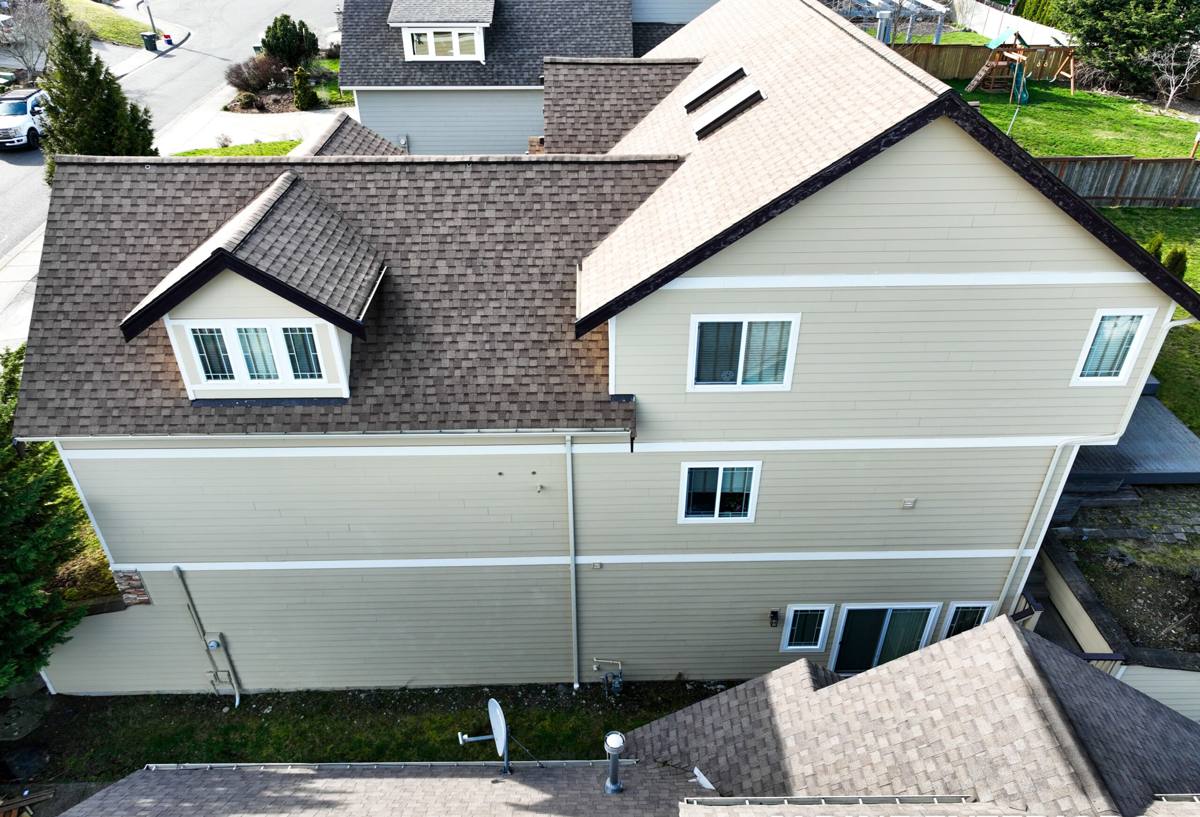
Lutz has a mix of housing stock — long-established homes on larger lots, newer construction in planned communities, and everything in between. Roof pitches, attic ventilation setups, and existing roofing materials vary widely across the area. That matters because a metal roof isn't a one-size-fits-all product; the right panel profile, fastening method, and underlayment depend on the roof it's going on.
What doesn't vary is the exposure. Every home in this part of Hillsborough County deals with the same seasonal pattern: brutal summer sun that bakes shingles and degrades sealants faster than in cooler climates, followed by a wet season with heavy, wind-driven rain, layered on top of the standing threat of tropical storms and hurricanes pushing sustained high winds through the area. Add in the salt air that travels well inland from Tampa Bay and the Gulf, and you've got a environment that's genuinely tough on roofing materials over a 15-20 year span.
Metal roofing, when it's the right product installed the right way, is built to shed that combination rather than slowly lose the fight against it.
What Metal Actually Solves For
- Wind resistance — properly fastened metal panels or standing-seam systems are rated for wind speeds that meet or exceed Florida's stringent building code requirements, which matters directly for hurricane season.
- UV and heat — reflective metal finishes reject a significant amount of solar heat rather than absorbing it, which can ease the load on attic temperatures and cooling costs during Tampa's long, hot summers.
- Wind-driven rain — the right panel laps, sealed seams, and underlayment stop water intrusion even when rain is coming in sideways, which is common during Gulf-fed storms.
- Salt air and corrosion — not all metal roofing resists coastal-adjacent salt exposure equally; fastener and coating choice matters more here than in inland climates.
- Longevity — a correctly installed metal roof commonly outlasts asphalt shingles by a wide margin, which matters when you're weighing the higher upfront cost against decades of service.
What a Correct Metal Roof Installation Involves
Metal roofing has a reputation as a "install it and forget it" upgrade, and that's mostly true — but only when the installation itself is done right. Metal is far less forgiving of shortcuts than shingles are. A shingle roof with a minor installation flaw might leak slowly for years before it's obvious. A metal roof installed wrong tends to show problems faster, because water and wind exploit gaps at seams, fasteners, and flashing points much more directly.
The Core Steps
- Deck inspection and repair. Before any metal goes down, the roof deck underneath needs to be sound — no soft spots, water damage, or rot. Skipping this step to save time is one of the most common causes of early failure.
- Underlayment. A high-quality synthetic or self-adhering underlayment goes down first, acting as the actual waterproof layer beneath the metal. In this climate, this layer isn't optional or cosmetic — it's the backup that protects the home if wind ever drives water up under a seam.
- Panel or shingle-style metal installation. Depending on the system — standing seam, exposed-fastener panels, or metal shingles — the fastening pattern and seam spacing have to match both the manufacturer's specs and Florida's wind-uplift code requirements for the area.
- Flashing at every penetration. Chimneys, vents, skylights, and valleys are where most roof leaks originate, metal or otherwise. Custom-formed flashing, properly lapped and sealed, is non-negotiable at each of these points.
- Fastener selection. In a coastal-adjacent climate, standard fasteners can corrode over time and become the weak point in an otherwise strong roof. Corrosion-resistant fasteners rated for the specific metal and environment matter more here than in drier, inland regions.
- Ridge and edge detailing. Ridge caps and drip edges need to be sealed and fastened to hold up against sustained wind uplift, not just look finished from the ground.
Choosing the Right Metal System for a Lutz Roof
Not every metal roofing product performs the same way, and being honest about the trade-offs upfront saves homeowners from surprises later. We steer clients toward systems that hold up well specifically in Gulf Coast conditions, and we're candid when a cheaper option comes with a real maintenance or longevity trade-off.
| System Type | Typical Use Case | Climate Trade-Offs |
|---|---|---|
| Standing seam panels | Homes wanting the strongest wind and water performance, clean modern look | Higher upfront cost, but concealed fasteners mean fewer long-term points of failure from corrosion or backing-out screws |
| Exposed-fastener panels | Budget-conscious projects, outbuildings, some residential applications | Lower cost, but exposed fasteners require periodic inspection and eventual re-tightening or replacement as gaskets age in UV and heat |
| Metal shingles / stone-coated steel | Homeowners wanting a traditional shingle look with metal's durability | Good wind and impact resistance; installation detail at overlaps is more labor-intensive and installer skill matters more |
| Aluminum panels | Homes closer to Tampa Bay with heavier salt air exposure | Naturally corrosion-resistant, doesn't rust; typically costs more than coated steel |
| Coated steel panels | Most standard residential applications | Strong performance-to-cost ratio; coating quality and thickness directly determine how well it resists coastal corrosion over time |
Why We Don't Cut Corners on Underlayment or Flashing
It's tempting for some installers to treat underlayment and flashing as an afterthought, since the metal panels are what homeowners actually see. We treat it as the opposite — the metal is the visible, durable top layer, but the underlayment and flashing are what actually keep water out during the sideways rain that comes with a Gulf-fed storm system. A roof that looks great from the driveway but has minimal underlayment or poorly sealed flashing is a roof that's going to leak during the first serious wind event, not years down the road.
This is also where warranty structure matters. Manufacturer warranties on the metal itself typically don't cover water intrusion caused by installation errors around flashing or underlayment — that's on the installer, not the product. We build our process around minimizing that risk from the start rather than hoping it doesn't come up.
Our Process, Start to Finish
We keep the process straightforward and communicate at each stage, because a roofing project shouldn't feel like a black box to the homeowner.
- Free on-site inspection. We look at the existing roof, deck condition, ventilation, and any problem areas before recommending a system or giving a number.
- Honest scope and estimate. We walk through material options, what each one costs, and what trade-offs come with each, so the decision is informed rather than guesswork.
- Permitting. Metal roof installations in Hillsborough County require permitting and inspection, which we handle as part of the project rather than leaving it to the homeowner.
- Deck prep and repair. Any soft, rotted, or damaged decking gets addressed before the new roof goes on top of it.
- Installation. Underlayment, panels or shingles, flashing, and edge details installed to code and manufacturer spec.
- Final walkthrough and cleanup. We review the finished roof with the homeowner and make sure the property is left clean — nails, scrap metal, and debris removed.
Why Hiring a Crew That Already Works in Lutz Matters
Roofing quality has a lot to do with generic skill, but local familiarity closes gaps that out-of-area crews often miss. A crew that regularly works in and around Lutz and the greater Tampa area understands the permitting process with Hillsborough County, knows what wind-uplift and code requirements apply locally, and has a working sense of how different roof types in the area typically age — which shingle roofs are due for replacement, which older metal installations were done with outdated fastening methods, and what kind of ventilation issues tend to show up in this climate.
There's also a practical, unglamorous benefit: a local crew is easier to reach for a warranty question, a follow-up inspection after a storm, or a minor adjustment months after the job is done. That accountability matters more with metal roofing than with lower-stakes exterior work, since a metal roof is meant to be a decades-long investment, not a five-year fix.
Maintenance: What Actually Matters After Installation
One of the real advantages of metal roofing is how little ongoing maintenance it needs compared to asphalt shingles — but "little" isn't "none." A short annual check keeps small issues from becoming expensive ones, especially after hurricane season.
Post-Installation Checklist for Lutz Homeowners
- Visually inspect for any loose, lifted, or visibly damaged panels after major storms
- Check exposed fasteners (if applicable) for backing-out or corrosion, particularly after several years of UV and heat exposure
- Clear debris — leaves, branches, and organic buildup — from valleys and around penetrations, which can trap moisture against the metal
- Inspect flashing around chimneys, vents, and skylights for sealant that may have degraded under sustained UV exposure
- Watch for any streaking or staining near seams, which can indicate a small water intrusion point worth addressing early
- Confirm gutters and downspouts are clear, since metal roofs shed water fast and rely on functioning drainage
What This Costs — and Why the Range Is Wide
Metal roofing costs more upfront than asphalt shingles, and the honest range depends heavily on the system chosen, the roof's size and complexity, and the condition of the existing deck. Standing seam systems sit at the higher end of that range because of the labor and material involved in concealed-fastener installation; exposed-fastener panels and metal shingles typically land lower. Roof complexity — multiple pitches, valleys, dormers, and penetrations — adds labor time regardless of the system chosen. We give homeowners a specific number after seeing the actual roof, not a generic estimate pulled from a national average that doesn't account for Florida code requirements or this area's wind-rating standards.
Get a Straight Answer About Your Roof
If you're weighing a metal roof for a Lutz home — whether you're replacing aging shingles, dealing with storm damage, or planning ahead of the next hurricane season — we're happy to come take a look and give you an honest read on what your roof actually needs. No pressure, no inflated numbers, just a clear estimate based on your specific home. Reach out below to schedule a free, no-obligation estimate.