 Tampa Window
 Why Siding Wears Out Faster on Lutz Homes
Lutz sits in the north Tampa/Hillsborough County growth corridor, with a mix of older ranch-style homes on larger lots and newer subdivisions built out over the last two decades. Different ages of construction, but the same climate working against the exterior of every one of them. Central Florida doesn't give siding an easy life, and homeowners who don't think about their siding until it's visibly failing usually end up paying more than they would have with an earlier fix.
Heat and UV Exposure
Hillsborough County sees intense, near year-round sun. UV breaks down pigments and surface coatings over time, which is why so many homes in this area show chalky, faded, or blotchy siding on their south- and west-facing walls well before the rest of the house. Cheaper siding products and site-applied paint jobs fade unevenly; a factory-cured finish resists it far longer.
Wind-Driven Rain and Storm Exposure
Lutz isn't beachfront, but it's not sheltered from tropical systems either. Hurricane-force wind gusts and the sideways, wind-driven rain that comes with Gulf storms push water into every gap, seam, and fastener hole in a siding system. Siding that isn't installed with the right flashing and clearances doesn't need a direct hit to fail — a few seasons of driving rain finding its way behind panels is enough to rot sheathing quietly, out of sight.
Humidity and Salt-Influenced Air
Tampa Bay's humidity keeps moisture in play even between storms, and on days with onshore flow, salt-laden air reaches well inland, including communities like Lutz. That combination accelerates corrosion on exposed fasteners and trim, and it keeps wood-based products damp longer than they're designed to tolerate.
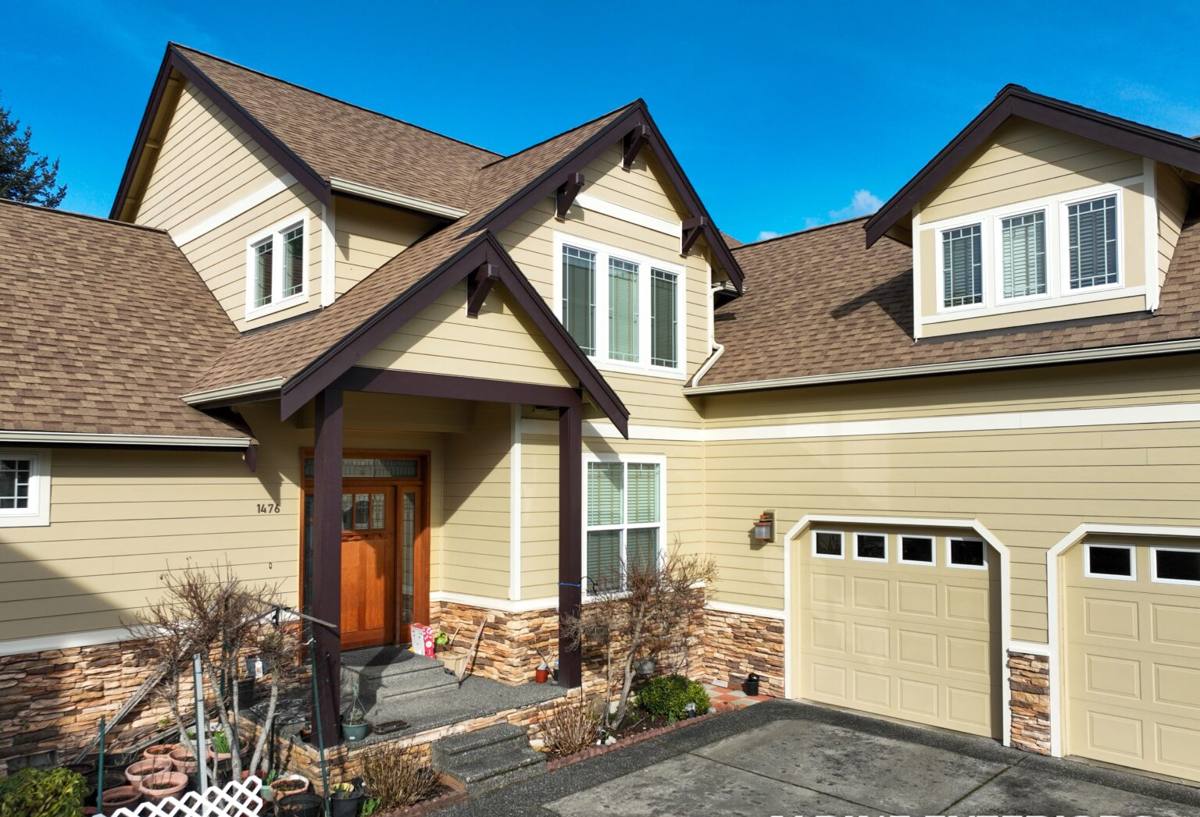
Signs a Lutz Home Needs Siding Replacement
Most siding problems don't show up as one dramatic failure — they show up as a pattern of smaller issues that add up. Before scheduling a full replacement, it's worth knowing what to actually look for:
- Panels that are visibly warped, bowed, or separating from the wall
- Soft or spongy spots when you press on the siding near the bottom of walls or under windows
- Peeling, bubbling, or chalking paint that keeps returning within a year or two of repainting
- Visible gaps at seams, corners, or trim where caulk has failed
- Rust streaks below fasteners or trim pieces
- A musty smell or discoloration on interior walls that share an exterior wall with damaged siding
- Rising energy bills that can't be explained by anything else, suggesting compromised insulation behind the siding
Any one of these on its own might be a spot repair. Several at once, especially on a home that's 15-20+ years old, usually means the whole system has reached the end of its useful life.
What a Correct Siding Replacement Actually Involves
Siding replacement is easy to do poorly and easy to make look fine for a year or two while problems build underneath. A correct job isn't just nailing new panels over the old wall — it's a sequence of steps that each matter.
Full Removal and Sheathing Inspection
Old siding comes off entirely so the sheathing underneath can be inspected. This is the step that gets skipped by crews trying to move fast, and it's the one that matters most in a climate like ours — hidden rot from years of wind-driven rain intrusion has to be found and replaced before anything new goes up, or the new siding is going over a compromised wall.
Weather Barrier and Flashing Details
A correct installation includes a properly lapped weather-resistant barrier, correctly flashed windows, doors, and any wall penetrations, and drainage planes that let incidental moisture escape instead of trapping it against the sheathing. These details are invisible once the job is finished, which is exactly why they're where corners get cut on lower-quality installs.
Installation to Manufacturer Specification
Fastener type, spacing, panel clearance from grade and rooflines, and joint treatment all have to follow the manufacturer's published installation instructions for the product and climate zone. In a hurricane-exposed area, following spec isn't a formality — it's what keeps panels attached and sealed against wind-driven rain during the storms this region gets every season.
Why We Install Only James Hardie Fiber Cement
We made a deliberate decision to install James Hardie fiber cement siding exclusively, and not vinyl, not LP SmartSide, not other fiber cement brands, and not primed wood products like cedar or spruce. That's not a marketing position — it's a standard we hold because of what this climate does to alternatives over time.
Fiber cement is non-combustible, which matters in a state where wildfire risk and stringent building codes both factor into insurance and resale considerations. James Hardie's ColorPlus finish is baked on at the factory under controlled conditions, which is why it holds color and resists the fading, chalking, and peeling that site-applied paint struggles with under Florida sun. Their HZ product lines are engineered specifically for high-humidity, hurricane-prone climates like ours, addressing moisture behavior in a way that generic fiber cement or wood-based sidings aren't designed around. And the transferable warranty backing the product gives homeowners real protection if they sell within the coverage window — something that matters in a fast-moving market like north Tampa.
None of this means other siding products are worthless. Vinyl is inexpensive and low-maintenance in mild climates. LP SmartSide has genuine fans and a lower material cost. Wood has a look some homeowners specifically want. But when we weigh how those products hold up against Hillsborough County's sun, storms, and humidity over a 20-30 year horizon, Hardie is what we're willing to put our name behind.
Comparing Siding Options for a Lutz Home
| Factor | James Hardie Fiber Cement | Vinyl | Wood / LP-Style Engineered Wood |
|---|---|---|---|
| Heat & UV resistance | Factory ColorPlus finish resists fading | Can warp or fade in intense, sustained sun | Requires ongoing paint/stain maintenance |
| Wind & storm performance | Rated for hurricane-prone regions when installed to spec | Can crack or blow off in high wind if under-fastened | Vulnerable to wind-driven rain intrusion at seams |
| Moisture behavior | Engineered HZ lines for humid climates | Doesn't rot, but traps moisture behind panels if installed poorly | Prone to swelling, rot if moisture reaches the substrate |
| Fire resistance | Non-combustible | Combustible | Combustible |
| Maintenance | Occasional washing; no repainting for years | Low maintenance but limited repair options | Regular repainting/sealing needed |
| Warranty | Strong transferable manufacturer warranty | Varies widely by manufacturer | Varies; often shorter on finish |
Our Siding Replacement Process
Every job follows the same sequence, whether it's a full ranch-style home or a two-story build:
- On-site inspection and honest assessment of whether the home needs full replacement or targeted repair
- Detailed proposal specifying Hardie product line, profile, and color, along with the scope of sheathing repair allowance
- Full tear-off of existing siding and inspection of the wall sheathing underneath
- Repair or replacement of any compromised sheathing before moving forward
- Installation of weather-resistant barrier, flashing, and trim per manufacturer specification
- Installation of James Hardie panels to spec, including correct fastener pattern and clearances
- Final walkthrough and cleanup
We don't skip the inspection step to shave time off a bid. In a climate that hides moisture damage behind an intact-looking wall, that step is what separates a job that lasts from one that fails again in a few years.
What Drives Cost on a Siding Replacement
Every home is different, so we don't quote fixed prices without seeing the property, but a few factors consistently move the number:
| Cost Factor | Why It Matters |
|---|---|
| Home size and wall complexity | More square footage and more corners, gables, and dormers mean more material and labor |
| Sheathing condition | Hidden rot found during tear-off adds repair scope that can't be priced sight-unseen |
| Hardie product line and profile | Lap siding, shingle-style panels, and board-and-batten looks vary in material cost |
| Trim and accessory scope | Fascia, soffit, and trim replacement alongside siding changes total project cost |
| Access and site conditions | Tall walls, tight lot lines, and landscaping can affect labor time |
Why Local Experience in Lutz Matters
A crew that regularly works in Lutz and the surrounding Hillsborough County area already knows how the local building department handles siding permits, what wind-load requirements apply under Florida's building code in this zone, and how homes here — from older ranch-style construction to newer subdivision builds — tend to be framed and sheathed. That's not something a crew driving in from out of the area picks up on their first job. It shows up in fewer surprises during tear-off, fewer permit delays, and a finished product that's actually built for what this climate throws at it, not just what looks good on installation day.
If your Lutz home's siding is showing its age or you just want an honest opinion on whether repair or full replacement makes sense, we're happy to take a look. Reach out for a free, no-pressure estimate using the form below.