 Tampa Window
 Why So Many Lutz Decks End Up Needing a Full Rebuild
Lutz sits in northern Hillsborough County among lakes, wooded lots, and a lot of homes designed around outdoor living — a deck off the back porch, one wrapped around a pool cage, one facing a lake view. Those decks spend every day of the year outside in a climate that's genuinely rough on wood and hardware. Hurricane-force winds pass through during storm season and load up a deck's connection to the house. Wind-driven rain finds its way into joints and seams a deck was never built to keep dry. UV exposure runs intense and constant, not seasonal. And salt air off Tampa Bay reaches farther inland than most homeowners assume, working on fasteners and brackets even on lots nowhere near the water. None of that shows up all at once — it accumulates, quietly, underneath a deck that can still look fine from the yard.
Not every problem calls for a full replacement. A soft board, a wobbly railing baluster, a single cracked stair tread — those are repairs, and an honest contractor will tell you so instead of upselling a rebuild you don't need. Replacement becomes the right call once the damage has moved into the structure itself: the framing, the ledger connection to the house, or the footings carrying the load. This page is specifically about full deck replacement for Lutz homes — what the job should actually involve, and why the crew doing it matters as much as the materials.
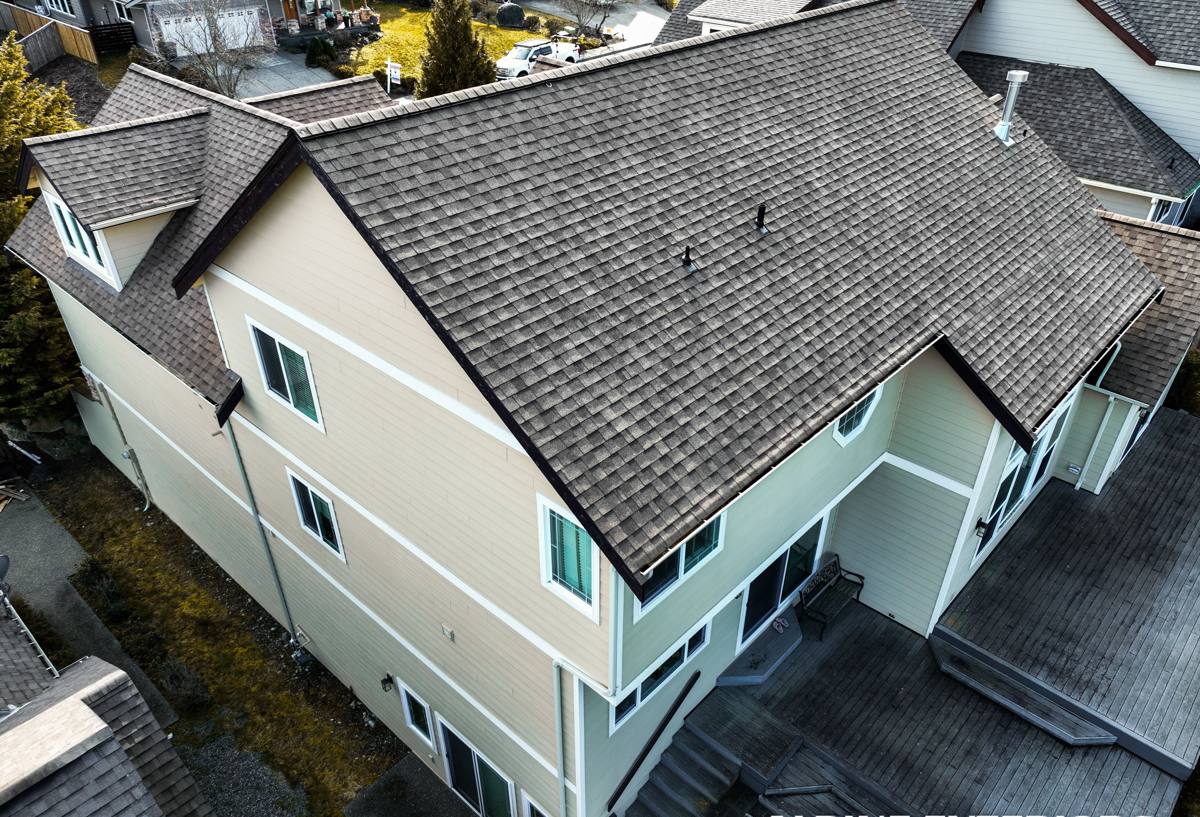
What Actually Pushes a Deck Past the Point of Repair
Structural Rot and Corrosion
Once rot has spread into more than one joist or beam, or corrosion has weakened multiple hardware connections, you're no longer dealing with isolated damage — you're dealing with a structure that's lost integrity. Swapping a few boards on top of a compromised frame doesn't fix that; it just hides it until the next inspection or the next storm finds it.
Footings That Have Shifted or Were Undersized
Some older decks around Lutz were built with footings that were never sized for the loads or soil conditions actually present, particularly on lower-lying lots near water. Once a footing has settled or shifted, or if it was undersized from day one, no amount of surface work above it solves the underlying problem.
Construction That Predates Current Standards
A deck built years ago may be missing details that are now standard practice — proper ledger flashing, rated joist hangers, hurricane clips and lateral load connectors that keep a deck from separating from the house under wind pressure. It might look sound and still be a real liability in a region where hurricane-force wind is an expected, recurring event rather than a rare one.
Signs It's Time to Stop Patching
These often look like ordinary wear at first. What separates a repair issue from a replacement issue is usually how widespread it is, not any single symptom on its own:
- Soft, spongy decking across several sections rather than one or two boards
- Rot, splitting, or insect damage visible in the joists or beams themselves
- Water staining, gaps, or separation at the ledger board where the deck meets the house
- Posts that lean, have shifted, or show soft wood near the base or footing
- Railings that stay loose even after hardware gets tightened
- A deck that was never permitted or clearly predates current wind-load requirements
- Water pooling on the surface instead of draining after a normal afternoon rain
- A deck near or past the typical service life for its material, especially untreated or basic pressure-treated lumber
What a Correct Replacement Actually Involves
Tear-Out and a Real Look Underneath
A proper job starts by removing the existing structure down to the footings and actually inspecting what's there — soil conditions, footing depth and condition, and whether the ledger attachment point on the house is sound. Reusing footings or framing without checking them first just carries an unknown problem forward into a brand-new deck.
Framing and Footings Sized for This Climate
New footings get sized to current code for the load and soil they're sitting in. Framing goes in with lumber rated for exterior/ground contact use where it matters, correctly sized joist hangers, and lateral and uplift connectors that tie the deck to the house — details that carry real weight in a region where hurricane-force wind isn't a hypothetical.
The Ledger Connection
The ledger board is the single point where the whole deck ties into your house, and it's the most common place for hidden water damage to start. Flashing has to be installed so water sheds away from the house rather than running behind siding or into the rim joist — this is not a step to shortcut, especially with the wind-driven rain this area sees.
Fasteners and Hardware
Salt-laden air moving inland off Tampa Bay corrodes standard fasteners faster than most homeowners expect, and Lutz sees enough of it to matter even well away from open water. Stainless or coated hardware rated for coastal exposure costs a bit more upfront and is the difference between a deck that's still solid in ten years and one that needs hardware work again in three.
Drainage and Airflow
A deck built low with poor airflow underneath traps moisture against the framing no matter how good the decking surface is. Correct grading, ventilation gaps, and keeping the space underneath clear of vegetation all extend the structure's real service life.
Choosing a Decking Material That Actually Fits This Climate
There isn't one "best" decking material — there's the right material for your budget, how the deck gets used, and how much upkeep you're actually willing to keep up with in a climate that doesn't let anything coast.
| Material | Upfront Cost | Maintenance | How It Holds Up Here |
|---|---|---|---|
| Pressure-treated wood | Lowest | Sealing/staining roughly every 1-2 years | Prone to cupping and graying under heavy UV and moisture cycling if upkeep lapses |
| Composite decking | Mid to high, varies by brand | Low — periodic cleaning, no sealing | Resists rot and moisture well; heat retention and fade resistance vary a lot by product line |
| PVC / capped polymer | Highest | Lowest — cleaning only | Fully resists moisture absorption and rot; strongest option for constant UV and humidity |
| Naturally durable hardwoods | High | Moderate to high — periodic oiling | Dense and long-wearing but still needs consistent maintenance to hold its look |
If low maintenance matters more than upfront cost, capped composite or PVC is usually the strongest long-term fit for this climate. If budget comes first, pressure-treated wood still performs well — it just asks more of you in upkeep, and skipping that upkeep is exactly how a deck ends up back on the replacement list early.
Permitting and Code in Hillsborough County
Deck replacement in Hillsborough County almost always requires a permit, since new footings, framing, and structural attachment to the house are all involved. That process exists to confirm footings are sized correctly for the soil, the ledger is attached properly, and the structure meets current wind-load requirements for this part of Florida — it's not paperwork to work around. Skipping it is one of the more common ways a deck ends up looking finished while being unable to hold up in an actual wind event, and an unpermitted structure can also become a real problem at resale when a home inspector flags it. We handle the permit application and coordinate the required inspections as part of the job.
How Our Replacement Process Works
- On-site evaluation — we inspect the existing framing, footings, and ledger connection to confirm replacement is actually the right call versus repair
- Design and material selection — layout and material choices based on how you use the space and what you want to maintain going forward
- Permitting — we file the permit and coordinate inspections through Hillsborough County
- Demolition — full removal of the old structure, checking footing and soil conditions before anything new goes in
- Structural build-out — footings, posts, beams, joists, ledger flashing, and code-rated hardware installed to current wind-load standards
- Decking and railing installation — the visible surface goes on last, once everything underneath it is solid
- Final walkthrough — we confirm the deck passes inspection and go over the finished work with you before calling it done
Why a Crew That Already Works in Lutz Matters
A contractor who regularly builds decks in this specific area already knows the footing depths and soil conditions common around Lutz's lakes and lower-lying lots, what Hillsborough County inspectors actually check for on wind-load connections, and which hardware specs hold up against the salt air moving in off Tampa Bay. That's a different starting point than a crew that mostly works drier, inland climates and treats Florida's wind and moisture exposure as an afterthought. It also tends to mean fewer surprises during permitting and inspection, since the job gets built to pass the first time instead of getting flagged and delayed.
Protecting the Investment Once It's Built
A correctly built replacement should outlast the deck it replaced by a wide margin, but a few habits make a real difference given how demanding this climate is on outdoor structures:
- Rinse salt residue and debris off the decking and hardware periodically, especially after storms
- Keep gutters and downspouts directing water away from footings, not toward them
- Reseal or refinish wood decking on the schedule the specific product calls for under constant Florida sun
- Have the deck checked after major storms, particularly railings and post connections
- Deal with new soft spots, movement, or standing water as soon as you notice them rather than waiting
If your deck has reached the point where another repair doesn't make sense, or you'd just like an honest read on whether repair or full replacement fits your Lutz home, we're glad to take a look. Fill out the form below for a free, no-pressure estimate.