 Tampa Window
 Siding Installation in Land O' Lakes
Land O' Lakes sits just north of Tampa in Pasco County, and while it has its own character — newer subdivisions mixed with older ranch-style homes, plenty of lakes and retention ponds, and a lot of stucco and vinyl-clad houses built during different construction eras — the exterior of every home there answers to the same climate. Whatever is on the walls of a Land O' Lakes house has to survive summer humidity, afternoon thunderstorms that roll in almost daily from June through September, direct subtropical sun, and the occasional hurricane or tropical storm that pushes wind-driven rain sideways into every seam and joint. Siding installation here isn't just a cosmetic upgrade. It's the single biggest factor in whether a home's walls stay dry, structurally sound, and looking good for the next twenty-plus years.
This page focuses specifically on siding installation for Land O' Lakes properties — what the local climate demands, what a correctly installed job actually involves, and why the crew doing the work matters as much as the material going on the wall.
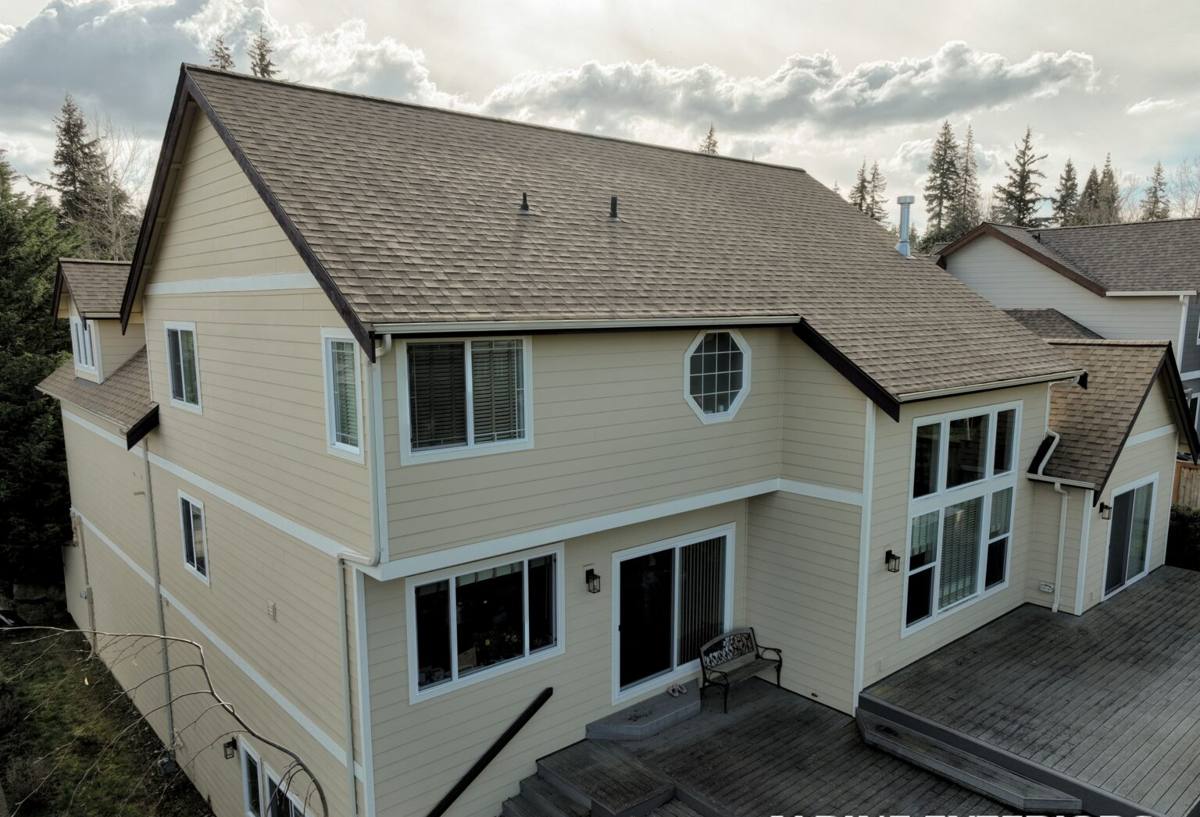
What Land O' Lakes Homes Are Up Against
Pasco County doesn't get the coastal salt exposure that a barrier-island property does, but it gets nearly everything else Florida's climate throws at a house exterior:
- Intense, near year-round UV exposure that breaks down cheap paint finishes, fades color, and dries out organic building materials over time.
- Wind-driven rain from summer storms and tropical systems, which finds its way behind poorly lapped or improperly flashed siding and gets trapped against the wall sheathing.
- High ambient humidity that keeps moisture in the air and against exterior walls even on days without rain, which is exactly the condition that lets rot, mold, and wood-destroying insects take hold if a siding system can't dry out.
- Hurricane-force wind events that test every fastener, panel edge, and piece of trim on a home's exterior — and expose any shortcuts taken during the original installation.
- Heat cycling — walls in direct afternoon sun swing through wide daily temperature ranges, which stresses siding materials that don't handle expansion and contraction well.
None of this is unique to Land O' Lakes, but it's worth saying plainly: this is not a mild climate for exterior building materials. Siding that performs fine in a drier, milder region can fail here in a fraction of the time.
Why Siding Installation Fails When Done Wrong
Most siding failures we get called out to inspect in the Tampa Bay area aren't caused by bad material — they're caused by installation shortcuts. Siding is a system, not just a set of panels. If any part of that system is wrong, water eventually gets behind the cladding, and once it's behind the wall, Florida's humidity keeps it from drying out.
The most common problems we see on homes in this area include:
- Panels face-nailed instead of properly blind-nailed or fastened per manufacturer spec, which restricts the material's ability to move and creates entry points for water.
- Missing or incorrect weather-resistive barrier (house wrap) behind the siding, or a barrier that wasn't lapped correctly to shed water downward.
- Poor flashing and caulking around windows, doors, and penetrations — the single most common source of hidden water intrusion.
- Siding installed tight against the ground, a roofline, or a deck with no gap, trapping moisture at the bottom edge.
- Butt joints and corners that weren't sealed or backed correctly, giving wind-driven rain a direct path inward.
A homeowner usually can't see any of this from the ground. The siding looks fine for years while moisture works on the sheathing and framing behind it. That's why installation quality matters more than almost anything else in this climate — more, honestly, than which brand of siding you choose.
What Correct Siding Installation Involves
A proper siding installation on a Land O' Lakes home involves several layers working together, not just cladding nailed to the wall:
1. Tear-off and substrate inspection
Old siding comes off and the sheathing underneath gets inspected for rot, soft spots, or existing water damage — especially around windows, at wall penetrations, and near the base of the walls. Any compromised sheathing gets repaired or replaced before anything new goes up. Installing new siding over damaged substrate just hides a problem that will keep getting worse.
2. Weather-resistive barrier
A code-compliant house wrap is installed as the drainage plane behind the siding, lapped correctly (upper courses over lower courses) so any water that does get past the cladding drains down and out instead of pooling against the wall.
3. Flashing at every penetration
Windows, doors, hose bibs, vents, light fixtures — anywhere something interrupts the wall plane needs proper flashing integrated with the weather barrier, not just a bead of caulk. Caulk is a backup, not a strategy.
4. Correct fastening and clearances
Siding gets fastened according to the manufacturer's specification for the local wind zone — nail type, spacing, and placement all matter for wind performance. Proper clearances get maintained at grade, roof lines, and decks so the bottom edge of the siding can dry.
5. Joints, corners, and trim
Butt joints get backed and sealed, corners get properly integrated with the field siding, and trim is installed to shed water away from seams rather than channeling it into them.
6. Finish and final inspection
The finished wall gets walked and checked — fastener pattern, joint sealing, flashing details, and overall fit — before we consider the job done.
Why We Only Install James Hardie Fiber Cement
We install James Hardie fiber cement siding exclusively — not vinyl, not LP SmartSide, not Cemplank or Allura, not primed wood. That's a deliberate standard, not a lack of options.
Vinyl siding is affordable and low-maintenance in mild climates, but in direct Florida sun it can soften, warp, or fade faster than homeowners expect, and it offers little resistance in high wind events unless installed with extreme care to spec. Wood-based and engineered wood products like LP SmartSide perform well when kept dry, but they depend heavily on an unbroken paint film and perfect flashing to stay that way — one gap in maintenance in a humid climate and moisture can get into the substrate. Fiber cement alternatives to Hardie exist and can be reasonable products, but we've standardized on Hardie specifically for its ColorPlus factory-baked finish (which holds up to UV far better than field-applied paint), its HZ5 product line engineered for high-humidity climates like ours, its non-combustible composition, and a transferable warranty backed by decades of manufacturing history in exactly this kind of climate.
The honest trade-off: Hardie costs more upfront than vinyl and requires a crew that knows how to cut, fasten, and finish it correctly — it's less forgiving of sloppy installation than some alternatives. We think that trade-off is worth it for a Florida exterior that has to survive decades of sun, humidity, and storms.
| Factor | Vinyl Siding | Wood/Engineered Wood | James Hardie Fiber Cement |
|---|---|---|---|
| UV/fade resistance | Fades and can chalk over time | Depends entirely on paint maintenance | Factory ColorPlus finish resists fading |
| Wind performance | Can crack or blow off in high winds if under-fastened | Good if properly maintained and sealed | Rated for high-wind installation per spec |
| Moisture behavior | Doesn't absorb water but can trap it behind panels | Vulnerable to rot if moisture gets in | Engineered for high-humidity, moisture-prone climates |
| Fire resistance | Combustible | Combustible | Non-combustible |
| Maintenance | Low, but limited repair options | Repainting/resealing on a regular cycle | Repaint cycle far longer with ColorPlus finish |
Our Process, Start to Finish
- On-site assessment. We walk the exterior, check the current siding and substrate condition, and talk through what your home actually needs — not a generic package.
- Written estimate. A clear scope of work and price, with the Hardie product line and color options that fit your home.
- Scheduling around weather. In this climate, we plan tear-off and installation around the forecast so open wall sections aren't left exposed during a storm system.
- Tear-off and substrate repair. Old material comes off, sheathing gets inspected, and any damage gets addressed before new material goes up.
- Weather barrier, flashing, and siding installation. Installed to manufacturer spec for this wind zone and climate.
- Final walkthrough. We review the finished job with you before we call it complete.
Signs Your Land O' Lakes Home May Need New Siding
- Visible warping, buckling, or panels that have pulled away from the wall
- Soft spots when you press on the siding or the wall behind it
- Peeling paint or finish that keeps failing no matter how often it's redone
- Cracks or gaps at corners, joints, or around windows and doors
- A musty smell along interior walls that share a wall line with worn exterior siding
- Rising energy bills that suggest the wall assembly isn't insulating or sealing the way it should
- Visible damage after a storm — cracked panels, missing sections, or lifted edges
Why a Crew That Already Works Land O' Lakes Matters
Siding installation done right depends on understanding how a specific climate and building stock behave — not just following a spec sheet. A crew that regularly works in Land O' Lakes and the surrounding Tampa Bay area knows what this region's humidity and storm patterns do to a wall assembly over time, has seen what shortcuts from previous installations tend to fail first, and understands how local wind-load requirements apply to fastening and flashing details. That's different from a crew that installs siding occasionally in a dozen different climates and treats every job the same way. Local experience also means faster response if you need a post-storm inspection or a warranty question answered — we're not driving in from three counties away.
Maintenance and What to Expect After Installation
Correctly installed Hardie siding is genuinely low-maintenance compared to the alternatives, but "low-maintenance" doesn't mean "no maintenance" in this climate. A simple annual check goes a long way:
- Rinse the siding periodically to clear pollen, salt air residue, and grime buildup
- Inspect caulking around windows, doors, and trim yearly and touch up as needed
- Keep sprinklers and irrigation from spraying directly on the siding long-term
- Trim back vegetation that holds moisture against the wall
- After any major storm, do a quick visual check for cracked panels or lifted edges
If you're planning a siding replacement or dealing with an existing installation that's showing problems, we're happy to take a look and give you a straight answer about what your home actually needs. Reach out for a free, no-pressure estimate — someone from our team will walk the property with you and explain exactly what we'd recommend and why.