 Tampa Window
 Building New in Land O' Lakes: What Your Windows Are Up Against
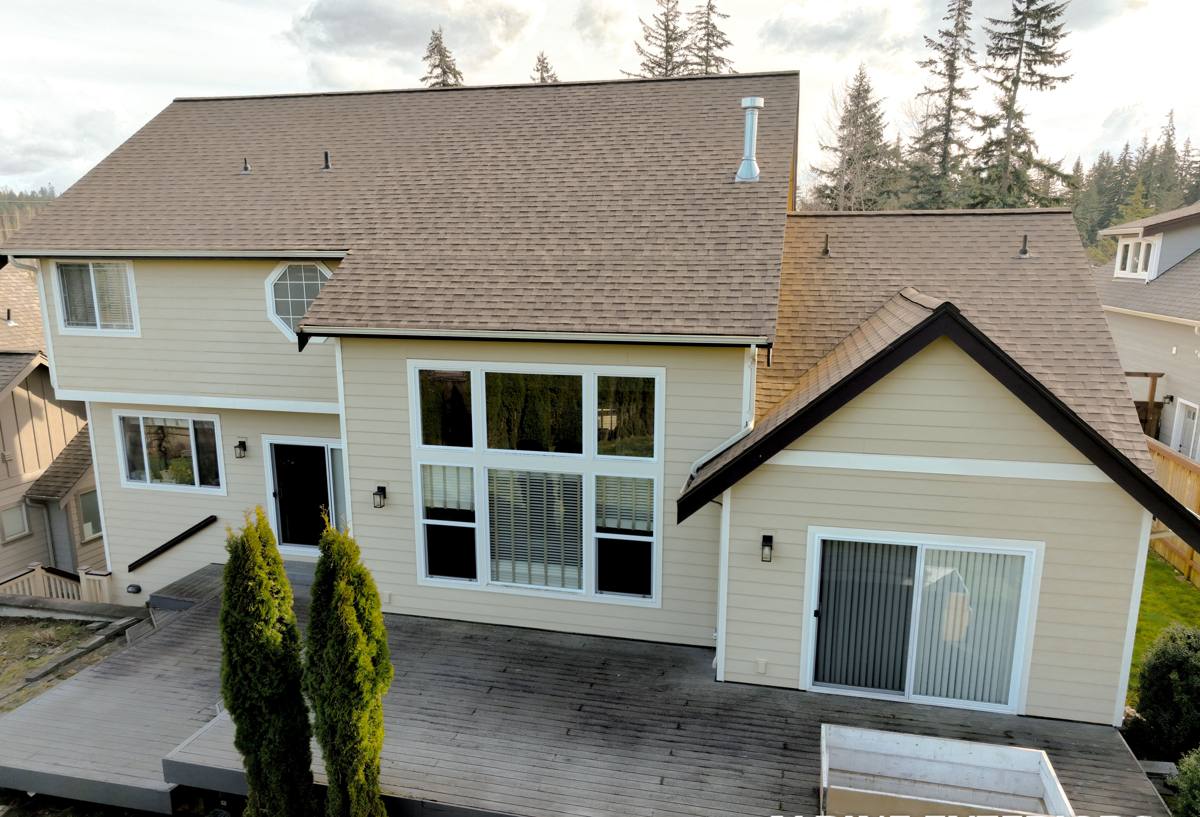
Land O' Lakes has been one of the fastest-growing pockets north of Tampa for years, and a lot of that growth is new construction — new subdivisions, new custom homes on larger lots, additions and second stories going up on older parcels. If you're framing a new house or building an addition here, the windows you choose and how they're installed will do more work than almost any other component of the envelope.
The climate here isn't gentle on glass and frames. Summers bring long stretches of intense, direct UV that breaks down cheap seals and weak vinyl over time. Afternoon storms roll in fast and hard, throwing wind-driven rain sideways at the building — which means a window that only "works" when rain falls straight down will eventually leak. And while Land O' Lakes sits inland from the coast, it's close enough to the Gulf that salt-laden air still reaches hardware, screws, and unprotected metal components over the years. Add hurricane season, when sustained winds and gusts test every seal and fastener at once, and you can see why new-construction windows here need to be treated as structural, not decorative.
New-Construction vs. Replacement Windows: Why the Install Method Matters
This page is specifically about new-construction windows — not replacement units going into an existing opening. That distinction matters more than most homeowners realize.
- New-construction windows have a nailing flange (fin) around the perimeter of the frame. They're installed before the exterior finish — stucco, siding, or brick — goes on, and the flange gets integrated directly into the house wrap and flashing system.
- Replacement windows are built without a flange, designed to slide into an existing opening and get sealed against the old frame or a receptor system.
Because a new-construction window ties directly into the building's water management system at the framing stage, there's no room for shortcuts. Get the flashing sequence wrong on a new build and you won't see the problem for a year or two — until the first wind-driven rain event finds the gap and water starts working its way into the wall cavity behind the stucco or siding.
What Florida Building Code Requires for New Construction Windows
Every new opening in a new or renovated Florida home has to meet the wind load and impact requirements tied to its design wind speed, exposure category, and mean roof height — determined by the site's location and the structure itself. Pasco County, where Land O' Lakes sits, is outside the state's High-Velocity Hurricane Zone (that designation applies to Miami-Dade and Broward), but that does not mean windows here are lightly regulated. Wind-borne debris region rules still apply across most of the Tampa Bay area, which generally means every opening needs either impact-rated glass or code-compliant shutters/protection sized to the specific window.
On a new build, your window supplier and installer need the engineered wind load requirements for that specific address and structure before a single unit gets ordered — not after. This is one of the most common points where new-construction jobs go sideways: someone orders a "standard" window that doesn't match the load requirements for that lot's exposure, and it fails inspection or, worse, gets installed and passed anyway.
What we confirm before ordering
- Design wind speed and exposure category for the specific address
- Whether the opening requires impact-rated glazing or engineered protection
- Rough opening dimensions against the architectural plans, not just the framer's tape measurements
- Product approval (NOA/FL product approval number) matching what's actually going in the wall
Frame, Flange, and Flashing: How a Correct New-Construction Install Works
Rough opening preparation
Before a window ever gets set, the rough opening needs to be square, level, and sized correctly with proper shim space. On new builds we see openings that are close but not exact — framers work fast, and a quarter-inch of racking doesn't matter to them the way it matters to a window that needs to seal and operate correctly for the next 20+ years.
Flashing sequence
This is the part that actually keeps water out, and it has to happen in the right order: sill pan flashing first, then the window set into it, then the flange integrated with the house wrap using a proper lap sequence — side flashing over the sill pan, head flashing over the side flashing, house wrap over the head flashing. Skip a step or do it out of order and you've built a path for water to travel behind the exterior finish instead of shedding off it.
Sealing and fastening
Flange fasteners go where the manufacturer specifies, at the spacing specified — not "close enough." Sealant goes at the flange-to-wall-wrap interface, never as a substitute for correct flashing laps. A bead of caulk is not a flashing system; it's a backup, and on a house that'll take direct wind-driven rain multiple times a year, backups fail eventually if they're doing the primary job.
Choosing the Right Glass and Frame for This Climate
New construction gives you a real choice at the point of ordering — you're not stuck matching an existing frame style like you are with a replacement. That choice is worth taking seriously given what this climate does to materials over time.
| Frame Material | How It Handles This Climate | Trade-Offs |
|---|---|---|
| Vinyl (quality, UV-stabilized) | Won't corrode from salt air, reasonable cost, decent insulation | Lower-grade vinyl can chalk and warp under years of direct UV; quality varies a lot by manufacturer |
| Aluminum | Strong for large openings, holds up structurally under wind load | Conducts heat, needs a good thermal break for efficiency, hardware needs corrosion-resistant coatings near coastal air |
| Fiberglass | Very stable dimensionally, resists UV degradation well | Higher upfront cost; fewer color/style options than vinyl |
On glazing, impact-rated laminated glass is either required or strongly worth choosing for most Land O' Lakes new builds, and it does double duty — it also blocks a meaningful amount of UV transmission, which helps interior furnishings and flooring last longer under Florida sun. Low-E coatings matter too; in a climate that's cooling-dominated almost year-round, the coating package should be selected for solar heat gain rejection, not just winter heat retention like you'd see in cooler-climate product lines.
Our Process for New-Construction Window Installation
Working with your builder or GC
On most jobs we're coordinating directly with a general contractor or the homeowner acting as their own GC. We confirm rough opening sizes against actual framing (not just plans) before windows are ordered, since even a well-drawn plan set can drift slightly once framing crews are done.
Timing in the build schedule
Windows need to go in after the house wrap or weather barrier is on but before stucco lath, siding, or brick veneer closes in the opening. Get the timing wrong in either direction and you either can't flash correctly or you're forcing a rush job to keep the schedule moving — neither produces a good result.
Inspection-ready documentation
We keep product approval numbers, installation instructions, and flashing photos for each opening. When the building inspector shows up, having documentation ready for wind load compliance and correct installation method saves everyone time and avoids a failed inspection over paperwork rather than workmanship.
Common Mistakes We See in New-Construction Window Installs
Most of what causes problems years down the road traces back to a handful of avoidable errors during the original install:
- Ordering windows before confirming actual site-specific wind load requirements
- Relying on sealant instead of a proper shingled flashing sequence
- Fastening the flange with the wrong spacing or wrong fastener type for the substrate
- Setting a window in an out-of-square opening without correcting it first
- Closing in the exterior finish before flashing has had time to be inspected or photographed
- Mixing manufacturer components (using a different brand's trim or flashing tape than what the window manufacturer's warranty specifies)
Any one of these can pass a casual glance and still cause a leak, a warranty denial, or a failed re-inspection later. On new construction, the flashing gets buried under the exterior finish — so it has to be done right the first time, because nobody's opening the wall back up to check it.
Cost Factors for New-Construction Windows in Land O' Lakes
New-construction window costs vary a lot based on the specifics of the build, but the main drivers are consistent from project to project:
| Factor | Why It Moves the Price |
|---|---|
| Impact rating requirement | Impact-rated laminated glass costs more than standard glass and non-impact protection systems |
| Window size and opening count | Larger openings and higher unit counts mean more material and labor, plus possibly heavier-duty framing hardware |
| Frame material | Vinyl, aluminum, and fiberglass carry different material costs and different labor requirements to install correctly |
| Exposure category and wind load | Higher engineered wind loads may require heavier-duty units and additional fastening, which adds labor time |
| Access and building stage | Multi-story openings or awkward access on a partially framed structure take longer to set and flash correctly |
We don't quote new-construction jobs off a generic per-window number, because the variables above genuinely change the scope. A free on-site or plan-review estimate gives you real numbers for your specific build.
Why Hire a Crew That Already Works in Land O' Lakes
New-construction window work rewards local knowledge in a way a lot of homeowners don't expect. A crew that regularly works Pasco County and the greater Tampa area already knows how local building departments want documentation presented, what wind load figures are typical for the area's exposure categories, and how the region's storm patterns actually behave against a house — not in theory, but from having flashed hundreds of openings that then sat through real hurricane seasons.
That experience shows up in small decisions that matter: how much slope to build into a sill pan, which flashing tape holds up long-term against Florida humidity and UV instead of just looking fine on install day, and when a "standard" detail needs to be upgraded for a particular lot's sun and wind exposure. It also means faster, smoother coordination with your builder or GC, because we're not learning the local inspection process on your project.
If you're framing a new home, building an addition, or working through a custom build in Land O' Lakes, we're happy to walk through your plans, confirm what your specific openings need, and give you a straightforward, no-pressure estimate using the form below.