 Tampa Window
 Composite Decking Built for How Land O' Lakes Actually Lives Outdoors
Homes in Land O' Lakes spend most of the year outside as much as in. Pools, lanais, and back decks get used from early spring through late fall, which means the decking underfoot has to hold up to daily sun exposure, sudden downpours, and long stretches of humidity without warping, fading, or turning into a maintenance chore. Composite decking has become the go-to choice for this area precisely because it's engineered to resist the things that wear out a wood deck fastest: moisture absorption, UV breakdown, and insect damage. But "composite decking" isn't one product — board quality, core construction, and installation details vary a lot, and in a climate like ours those differences show up within a few seasons, not decades.
This page covers what a composite deck needs to hold up in Hillsborough County's climate, what a correct installation actually involves, and how we approach composite decking projects for Land O' Lakes homeowners specifically.
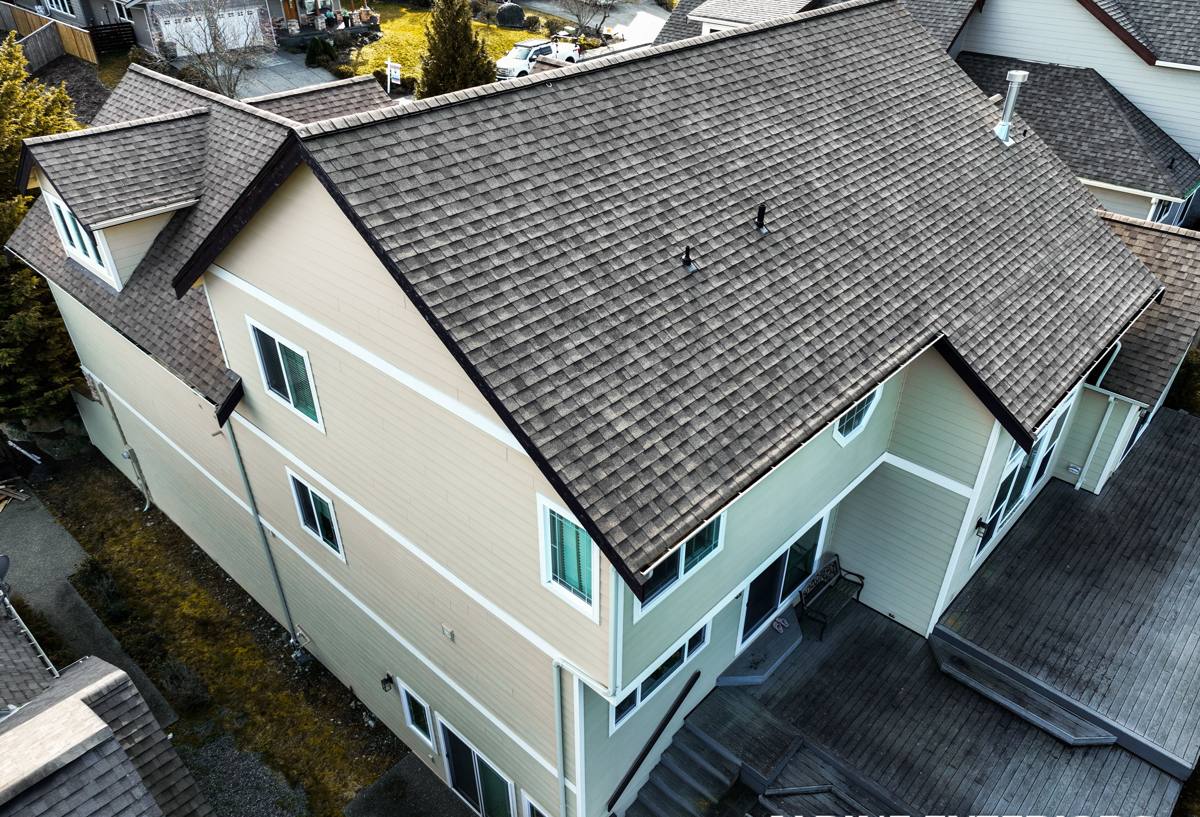
What Tampa-Area Weather Actually Does to a Deck
Sun and Heat
Florida sun is intense and nearly year-round. Untreated or low-grade decking materials fade, chalk, and become brittle faster here than in most of the country. Composite boards with a capped polymer shell resist UV fading far better than uncapped composites or bare wood, but even good composite can show heat-related surface changes if it's not matched to how much direct sun a given deck gets throughout the day.
Wind-Driven Rain and Humidity
Afternoon storms and wind-driven rain push moisture into places a deck wasn't necessarily designed for — under boards, around fasteners, into end grain. Sustained humidity keeps that moisture from drying out quickly. This is where framing choices and drainage details matter as much as the decking material itself; a great composite board over poorly drained framing still leads to problems underneath.
Hurricane-Force Wind
Hillsborough County sits in an active hurricane zone, and a deck attached to the house is a structural element, not just a surface. Ledger attachment, joist hangers, post connections, and railing anchoring all need to be built to resist uplift and lateral load, not just support foot traffic on a calm day.
Salt Air Influence
Land O' Lakes is inland relative to the immediate coast, but Tampa Bay's salt air still travels on prevailing winds, and it accelerates corrosion in low-grade fasteners and hardware over time. Fastener and bracket selection matters here even for homes that aren't waterfront.
Composite vs. Wood vs. PVC: An Honest Comparison
Every decking material is a trade-off. Here's how the main options actually compare for a Land O' Lakes backyard, not in marketing terms but in practical ones.
| Material | Moisture Behavior | Maintenance | Typical Lifespan Here | Upfront Cost |
|---|---|---|---|---|
| Pressure-treated wood | Absorbs water, prone to cupping/splitting in humidity swings | Annual sealing/staining recommended | 10-15 years with upkeep | Lowest |
| Composite (capped) | Resists absorption; core stays stable | Occasional washing, no sealing/staining | 25-30+ years | Mid-range |
| Composite (uncapped) | More prone to moisture wicking at cut edges | Low, but edge sealing helps | 15-20 years | Lower mid-range |
| PVC/vinyl decking | Fully moisture resistant | Lowest | 25-30+ years | Highest |
We install capped composite decking as our standard recommendation for most Land O' Lakes homes because it strikes the best balance of moisture resistance, appearance, and cost for this climate. We generally steer homeowners away from uncapped composite and lower-grade wood-plastic blends — not because they're unusable, but because the maintenance burden and the risk of edge moisture intrusion in a humid climate like ours make them a harder product to stand behind for the long term.
What a Correct Composite Deck Installation Actually Involves
The Substructure Comes First
The decking boards get the attention, but the framing underneath determines whether the deck lasts. That means properly sized and spaced joists, ledger flashing that actually sheds water away from the house band board, and hardware rated for exterior and, where needed, coastal-adjacent exposure. Composite boards are heavier than wood in some product lines, so joist spacing has to match the manufacturer's span tables — not just standard wood-deck spacing.
Fastening and Expansion Gaps
Composite material expands and contracts with heat more than wood does. Boards installed without the manufacturer-specified gapping will buckle or push against fascia and rail posts once summer heat sets in. Hidden fastener systems need to be installed at the correct spacing and torque — overdriven fasteners are one of the most common causes of surface dimpling on composite boards.
Drainage and Ventilation Underneath
A deck built low to the ground or over a poorly graded area traps humidity underneath, which shortens the life of framing hardware even when the decking above is holding up fine. Ventilation gaps, proper grading beneath the deck, and joist tape on framing connections all reduce that trapped-moisture problem, which is more relevant in a humid inland climate like Land O' Lakes than it would be in a drier region.
Railing and Post Attachment for Wind Load
Railing posts need through-bolted connections to structural framing, not just surface-mounted brackets, especially on elevated decks. This is a code and safety issue everywhere, but it carries more weight here given the wind loads this area can see during storm season.
Our Process, From Estimate to Finished Deck
- On-site assessment: We look at the existing structure (if replacing a deck), grading, sun exposure, and how the space is actually used before recommending a board type or layout.
- Honest product recommendation: We walk through composite options at different price points and explain the real trade-offs, not just the upsell.
- Written estimate: Scope, materials, and timeline in writing before any work starts.
- Framing and structural work: Ledger, joists, hardware, and drainage details are addressed before a single decking board goes down.
- Decking installation: Boards installed to manufacturer spec — spacing, fastening, and expansion gaps included.
- Railing, trim, and final walkthrough: Railing secured to structural framing, fascia and trim finished, and a final walkthrough with the homeowner before we consider the job done.
What This Means for Homeowners
Skipping steps in that process is exactly how decks fail early in this climate — usually not because the composite boards themselves failed, but because something underneath them wasn't built to handle Florida moisture and heat cycling.
Choosing Board Style and Rail System for a Land O' Lakes Home
Board color and finish affect more than curb appeal here. Darker composite boards run hotter underfoot in direct Florida sun, which matters for a pool deck or a space kids will walk on barefoot. Lighter and mid-tone woodgrain finishes tend to be more comfortable and also show less surface heat fading over time. Rail systems range from traditional composite balusters to aluminum and cable rail, which holds up well to humidity and doesn't require the same long-term care as wood rail systems. We talk through these choices based on how the deck will actually be used — a shaded lanai extension has different priorities than an open pool deck in full sun.
Maintenance: What Composite Decking Needs (and Doesn't) in This Climate
One of the main reasons homeowners choose composite over wood in this area is the reduced maintenance — but "low maintenance" doesn't mean "no maintenance."
- Rinse or wash the deck surface periodically to prevent pollen, algae, or mildew buildup, which is more common in humid climates than dry ones.
- Keep gutters and downspouts near the deck clear so water isn't dumping directly onto or under the decking.
- Check railing post connections annually, especially after storm season.
- Sweep debris out of gaps between boards so moisture and organic material don't sit trapped against the edges.
- Avoid dragging heavy furniture or grills across the surface, which can scuff the capped finish over time.
- No sealing, staining, or refinishing needed on capped composite boards — that's the main maintenance difference from wood.
Why Hiring a Crew That Already Works in Land O' Lakes Matters
A deck built without accounting for local permitting requirements, wind-load expectations, or the specific way Hillsborough County's humidity and storm patterns stress outdoor structures tends to show problems within a few years — loose railings, soft spots in framing, boards that were never gapped correctly for our heat swings. A crew that regularly works in this area already knows what inspectors look for, what framing details hold up long-term here, and which composite products actually perform as advertised once they've been through a few Florida summers and storm seasons. That local track record is worth more than a lower bid from a crew unfamiliar with the area's conditions.
If you're planning a new deck or replacing an aging one, we're happy to take a look and give you a straightforward, no-pressure estimate — just fill out the form below to get started.