 Tampa Window
 Windows in Hyde Park Face a Different Set of Problems
Hyde Park is one of Tampa's oldest residential neighborhoods, and that history shows up in the windows. A lot of the housing stock here predates modern energy codes and modern storm codes by decades — bungalows, Mediterranean Revival homes, and early-1900s cottages with original wood sash or aluminum single-pane replacements from a previous renovation cycle. Add in the neighborhood's proximity to Hillsborough Bay and Tampa Bay, and you get a combination that's hard on windows: salt-laden air, wind-driven rain off the water, intense year-round UV, and the wind loads that come with any storm tracking through the Gulf or bay.
None of that means every window in Hyde Park needs to come out tomorrow. It does mean that when a window replacement is due, the job has to account for the building's age, the neighborhood's character, and the climate all at once — not just swap in whatever's cheapest at the box store.
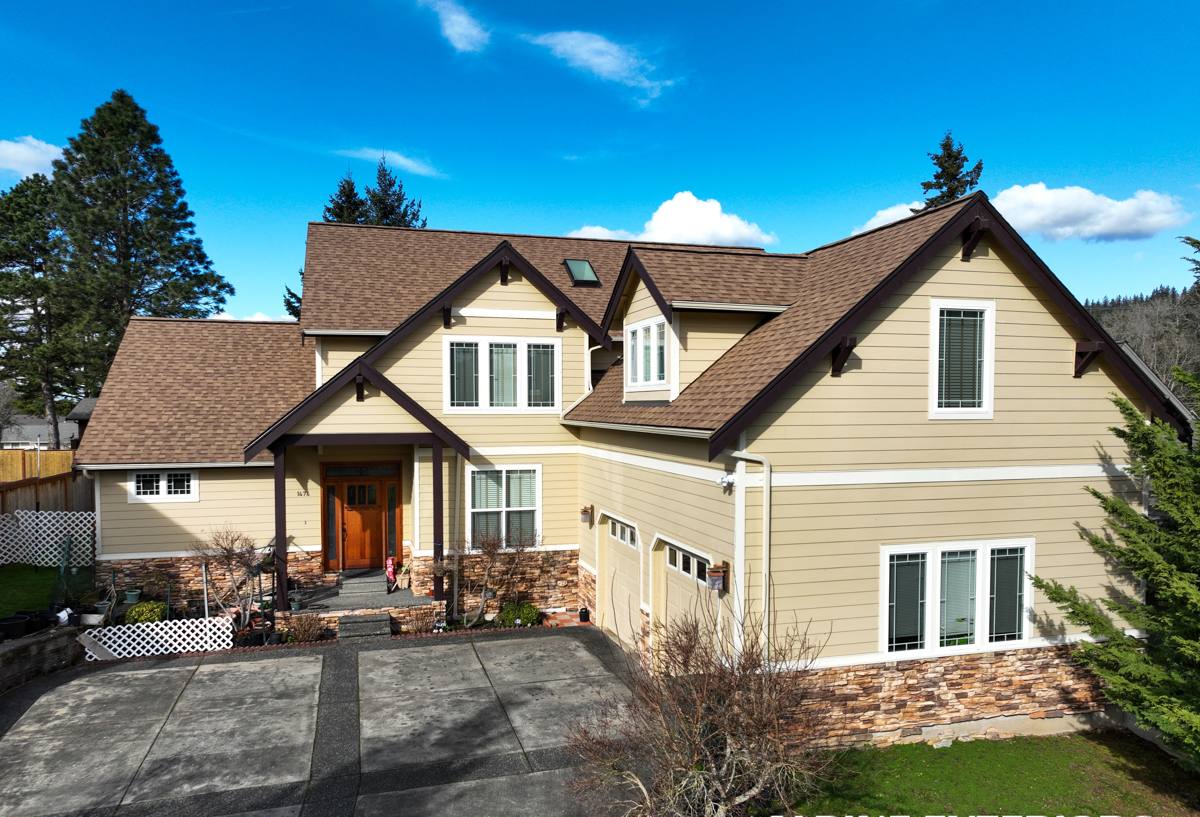
What Hillsborough County's Climate Does to Older Windows
Heat and UV
Tampa gets sun exposure most of the year, and older single-pane glass and worn weatherstripping do very little to block it. Homeowners usually notice this as a hot room in the afternoon, an air conditioner that runs constantly, or fading on floors and furniture near the glass. Modern low-E glass cuts a meaningful amount of that heat gain without darkening the room.
Wind-Driven Rain and Salt Air
Hyde Park's location near the water means salt air is a constant, low-grade corrosive force on metal hardware, screws, and older aluminum frames. Wind-driven rain during storms also finds its way through aging seals and deteriorated glazing putty — this shows up as staining below the sill, soft wood, or a musty smell around the window opening long before the glass itself fails.
Wind Load
Hurricane-force winds put real pressure on glass and frames, both pushing in and — just as important — pulling out as pressure changes during a storm. Older windows, especially single-pane wood or early aluminum units, were never engineered for the wind-load and impact standards Florida uses today. That's a structural issue, not just a comfort one.
The Historic Character Question
A lot of Hyde Park sits within a locally recognized historic district, and many of the homes have architectural detailing worth preserving — divided lites, specific sash proportions, trim profiles that match the era of the house. If your property falls within a historic overlay, window replacements can be subject to design review before work starts, and not every modern window profile is treated the same way.
We don't guess on this. If your home is in a reviewed district, we tell you upfront that it's worth confirming with the City of Tampa what's allowed before we finalize a window selection, and we can build the proposal around styles that keep the historic look — simulated divided lites, matching frame profiles, appropriate colors — while still meeting current wind and impact standards. Getting this sequence backwards costs homeowners time and money; getting it right the first time doesn't.
What a Correct Window Replacement Actually Involves
A lot of window jobs go wrong not at the glass, but around it. The window unit itself is only part of the system — the flashing, the sill pan, the sealant, and the fastening schedule are what actually keep water and wind out.
- Removing the old unit without tearing out more of the surrounding wall or trim than necessary — especially important on older wood-frame construction where the opening may have shifted slightly over decades
- Inspecting the rough opening for rot, moisture damage, or pest damage before anything new goes in — a new window installed into a compromised opening will fail again, just more slowly
- Confirming the new unit's wind load and impact rating matches what Hillsborough County requires for the home's exposure and elevation
- Installing flashing and a sill pan that direct water back out, not into the wall cavity
- Using fasteners and sealants rated for coastal, salt-air exposure — not standard hardware that corrodes in a few seasons
- Sealing and insulating the gap between the new frame and the rough opening correctly, so the window performs at its rated efficiency instead of leaking air around the edges
- Permitting and inspection where required, so the work is documented and the home's insurability isn't put at risk
Skip any one of these steps and you can end up with a window that looks fine but still lets in water, still costs money in energy loss, or won't hold up in the next storm.
Choosing the Right Frame and Glass for This Neighborhood
There's no single "best" window for every Hyde Park home — the right choice depends on the house's age, its exposure to sun and weather, and whether historic guidelines are in play. Here's how the common options generally stack up for this specific setting.
| Frame Material | Salt Air / Coastal Behavior | Fit for Historic Homes | Maintenance |
|---|---|---|---|
| Vinyl | Good — won't corrode or rust | Limited profile options; some historic-district guidelines restrict it | Low |
| Aluminum (modern, coated) | Fair to good with quality finishes; older uncoated aluminum corrodes over time | Can match slim historic sightlines well | Low to moderate |
| Fiberglass | Very good — dimensionally stable, resists salt exposure well | Good; accepts paint to match trim | Low |
| Wood (or wood-clad) | Requires diligent maintenance near salt air; clad versions help | Best match for original historic detailing | Higher — refinishing and sealing on a schedule |
On glass, we generally steer homeowners toward impact-rated or laminated glass with a low-E coating for anything facing prevailing weather or direct sun. It costs more upfront than basic tempered glass, but it addresses UV heat gain, wind-borne debris risk, and in many cases reduces the need for separate storm shutters or panels.
Why We Frame This as Standards, Not Sales Pitches
We won't install certain low-end vinyl or unrated aluminum units on homes exposed to real coastal wind and salt, and we'll say why: cheaper single-hung units often use hardware and seals that aren't built for this exposure, and the warranty coverage on them tends to be thinner precisely because manufacturers know the failure rate is higher in coastal counties. That's not a knock on any one brand — it's a trade-off in what the product was engineered and warrantied for, and it's on us to tell you honestly which options are actually suited to a Hillsborough County coastal-adjacent property versus which ones are suited to an inland home somewhere else in the country.
Our Process for a Hyde Park Window Replacement
- On-site assessment — we look at every window being considered, check the rough openings and surrounding trim/siding for hidden moisture damage, and note the home's exposure (direct sun, prevailing wind, proximity to water).
- Historic and code check — if the property is in a reviewed historic area, we flag what needs approval before ordering anything, and we confirm the current wind/impact requirement for that address.
- Product selection and honest proposal — options laid out with real trade-offs (cost, maintenance, appearance, warranty), not a single upsell option.
- Permitting — pulled and handled on our end where required, so there's a paper trail for insurance and resale.
- Installation — proper flashing, sill pans, coastal-rated fasteners and sealants, and careful handling of original trim and siding on older homes.
- Final walkthrough and inspection — we check operation, seals, and finish with you before calling the job done, and schedule any required municipal inspection.
Why Local Experience in Hyde Park Specifically Matters
A crew that's worked in Hyde Park before already knows the range of rough-opening quirks you find in homes from this era, already knows to ask about historic-district status before ordering material, and already understands how much salt-air exposure a given block typically sees based on its distance from the water. That's not something a crew coming from an inland Hillsborough County subdivision automatically knows walking in. It saves time on the assessment, and it avoids the costly mistake of ordering the wrong window style for a home that turns out to need design review.
Signs It's Time to Replace, Not Repair
- Visible fogging or moisture between panes on double-pane units — the seal has failed and can't be restored
- Wood sash that's soft, cracked, or has visible rot at the corners or sill
- Windows that won't stay open, won't latch, or have been painted shut over the years
- Noticeable draft or a hot/cold room even with the AC running properly
- Aluminum frames with heavy pitting, corrosion, or chalky white residue from salt exposure
- Water staining on interior walls or trim below or beside the window after storms
If you're only seeing one or two of these on an otherwise sound window, a repair may be the more sensible move — replacement isn't always the right answer, and we'll tell you when it isn't.
If you're weighing a window replacement for a Hyde Park home, we're glad to take a look and give you a straightforward, no-pressure estimate — including whether historic-district guidelines apply to your property. There's a form below to get started.