 Tampa Window
 Roof Replacement for Hyde Park Homes
Hyde Park is one of Tampa's older, closer-in neighborhoods, and that shows in its roofs. A lot of the housing stock here has been re-roofed at least once already, sometimes with materials or techniques that were fine for their time but don't hold up well to what Hillsborough County weather throws at a roof today. When a roof in this part of Tampa needs replacing, it's rarely just about age — it's about matching the new roof to the specific punishment of a near-bay, urban-canopy neighborhood: hurricane-force wind gusts, relentless UV exposure nearly every month of the year, wind-driven rain that finds every weak seam, and salt-laden air drifting in off Tampa Bay that accelerates corrosion on metal fasteners and flashing.
This page covers what a correct roof replacement looks like for a Hyde Park home specifically — not a generic overview, but what actually matters when the job is done a few miles from the water in a historic Tampa neighborhood.
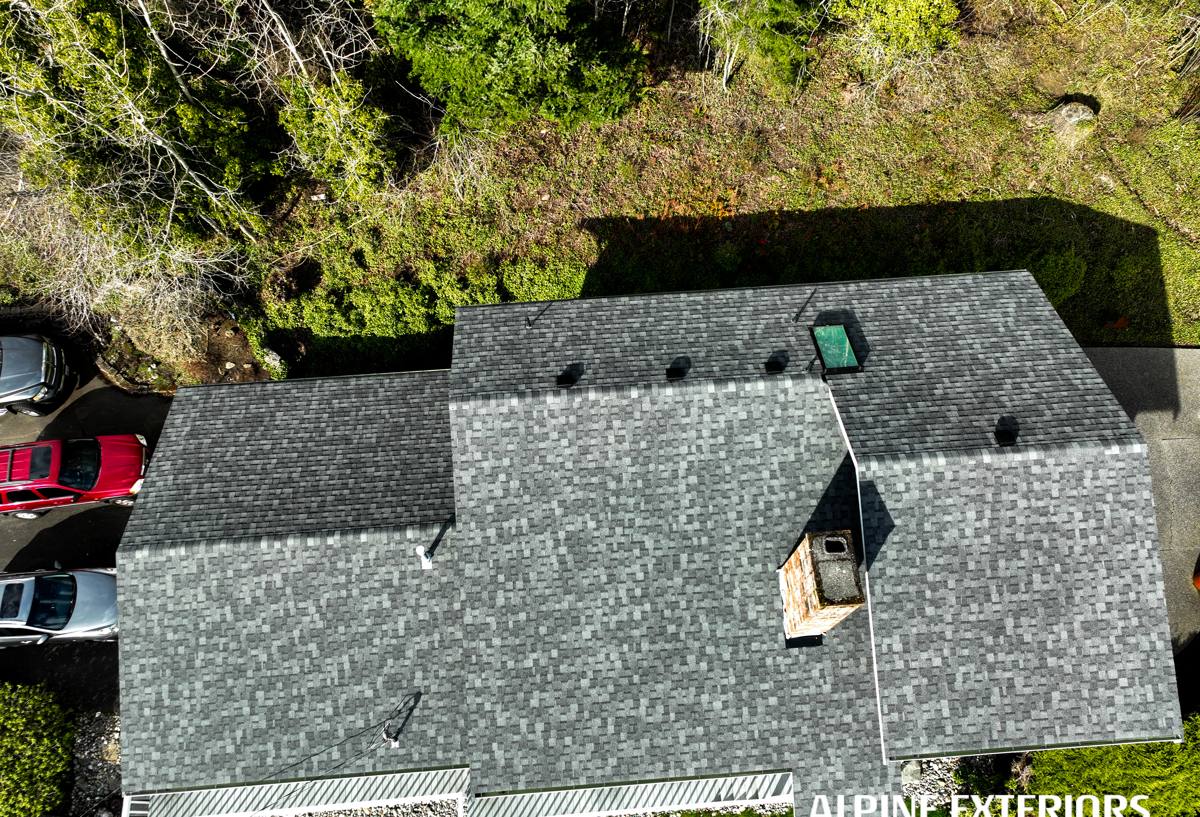
Why Hyde Park's Conditions Are Tougher on Roofs Than They Look
Salt Air and Metal Fatigue
Proximity to Tampa Bay means airborne salt settles on every exterior surface, including the roof. Salt accelerates corrosion on exposed fasteners, drip edge, flashing, and any metal roofing components. A roof system installed without corrosion-resistant hardware in a neighborhood like Hyde Park will show rust streaks and fastener failure years before it would in an inland part of the county.
Mature Tree Canopy
Hyde Park is known for its mature oak trees, which are part of the neighborhood's character but also mean more organic debris — leaves, pollen, small branches — collecting in valleys and around penetrations. That debris holds moisture against roofing material and, over time, can trap enough water to compromise even a well-installed roof if drainage isn't planned for.
Hurricane Wind Exposure
Tampa sits in a hurricane-prone region, and every roof replacement here needs to meet the wind-uplift expectations that come with that reality. It's not just about surviving a named storm — it's the cumulative effect of repeated tropical-storm-force wind events over a roof's lifespan, which loosens fasteners and stresses seams that a lower-wind-zone roof would never experience.
Year-Round UV Load
Florida's UV exposure is intense and consistent almost every month of the year. Asphalt shingles, underlayment, and sealants all break down faster under this kind of sun load than they would in most of the country. A roof spec'd for a milder climate will visibly age faster here.
Signs a Hyde Park Roof Needs Replacing, Not Patching
- Granule loss on shingles heavy enough that you can see bare, shiny patches or find granules collecting in gutters
- Curling, cupping, or cracked shingles, especially on south- and west-facing slopes that take the most sun
- Soft spots in the roof deck when walked, or visible sagging along the ridge or eaves
- Repeated leaks in different locations after previous patch repairs
- Rusted or lifting flashing around chimneys, vents, and valleys
- Daylight visible through the roof deck from inside the attic
- A roof approaching or past the manufacturer's rated lifespan, especially if it's never been replaced since original construction
- Visible storm damage — missing shingles, exposed underlayment, or debris impact marks
Any one of these on its own might be repairable. Several together, or a roof that's simply reached the end of its material life, usually means replacement is the more honest recommendation than another round of patching.
What a Correct Roof Replacement Involves
Full Tear-Off, Not Overlay
Installing new shingles over an existing layer is sometimes allowed by code, but it's not something we do as standard practice. An overlay hides the condition of the deck underneath, traps moisture between layers, and voids or limits most manufacturer warranties. A proper replacement means removing the old roofing down to the deck so it can actually be inspected.
Deck Inspection and Repair
Once the old roofing is off, the plywood or OSB deck gets inspected for soft spots, delamination, or water damage — issues that are invisible from above and often invisible from inside the attic too. Any compromised sections get replaced before anything new goes down. Skipping this step is one of the most common ways a "new roof" fails early.
Underlayment Built for Wind-Driven Rain
In a coastal-adjacent, storm-exposed area like Hyde Park, the underlayment matters as much as the shingles themselves. A synthetic underlayment with proper lap and fastening, along with self-adhered ice-and-water-shield-type membrane at vulnerable points (valleys, eaves, penetrations), is what actually keeps wind-driven rain from working its way under the shingles during a storm.
Flashing and Fasteners That Resist Salt Corrosion
Given the salt air off Tampa Bay, flashing and fasteners get specified for corrosion resistance rather than the cheapest standard-grade hardware. This is a small line-item difference in material cost that has an outsized effect on how long the roof actually lasts.
Wind-Rated Installation, Not Just Wind-Rated Materials
A shingle's wind rating is only as good as the nailing pattern and fastening method used to install it. Manufacturer specs for nail count, placement, and sealing strip activation matter more in a hurricane-exposed market than in most of the country, and cutting corners here is invisible until the first serious storm.
Ventilation
Proper attic ventilation affects how long shingles last, how hot the attic gets, and whether moisture gets trapped under the deck. On older Hyde Park homes, existing ventilation is often undersized or blocked and worth correcting during a replacement rather than leaving as-is.
Material Options and Honest Trade-Offs
| Material | Typical Lifespan | How It Handles Tampa Conditions |
|---|---|---|
| Architectural asphalt shingle | 20-30 years | Good value, wide color range, solid wind ratings when properly installed; UV and heat will still age it faster here than in cooler climates |
| Standing seam metal | 40-50+ years | Excellent wind and rain performance; needs corrosion-resistant fasteners and coatings given salt air exposure; higher upfront cost |
| Tile (concrete or clay) | 40-50+ years | Common on older Tampa-area homes and fits neighborhoods with historic character; heavier, requires structural check, and underlayment life often shorter than the tile itself |
| 3-tab asphalt shingle | 15-20 years | Lower cost but lower wind rating and shorter UV lifespan; we generally don't recommend it as a primary option in this wind zone |
For a historic neighborhood like Hyde Park, there's sometimes an added consideration of matching the look of the surrounding homes, particularly if the property is subject to any local historic district guidelines. That's worth discussing before materials are finalized, not after.
Our Process for a Hyde Park Roof Replacement
- On-site inspection. We walk the roof and attic, check the deck condition where accessible, and document existing damage before any work is quoted.
- Written estimate. A clear scope of work — tear-off, deck repair allowance, underlayment type, material choice, flashing, ventilation — so there's no ambiguity about what's included.
- Material selection. We go over the trade-offs above based on your budget, how long you plan to be in the home, and any neighborhood aesthetic considerations.
- Permitting. Roof replacements in Hillsborough County and the City of Tampa require permits and inspections; we handle that process as part of the job.
- Tear-off and deck inspection. Old roofing comes off, the deck gets checked, and any needed repairs happen before new material goes down.
- Installation. Underlayment, flashing, and the finish material go on following manufacturer specs for wind resistance, not shortcuts.
- Final inspection and cleanup. We do a final walk-through with you, make sure the site is clean of debris and nails, and confirm any required municipal inspection is completed.
Why Hiring a Crew That Already Works Hyde Park Matters
A roof replacement isn't just a materials decision — it's a judgment call on dozens of small details, and those judgment calls are better informed by a crew that's already dealt with this neighborhood's specific mix of tree canopy, older framing, salt air, and storm exposure. A crew unfamiliar with the area might spec a roof that would be perfectly fine in a drier, inland, low-wind market, and it would underperform here. Local experience also means a faster, less disruptive permitting process with Hillsborough County and the City of Tampa, since the inspection expectations and common issues on older Tampa homes aren't a guessing game.
There's also a practical follow-up dimension: after a hurricane season or a significant wind event, having a contractor who already knows your roof and is reachable locally matters more than it seems like it will on a calm day.
What Affects the Cost of a Roof Replacement
- Roof size and the number of facets, valleys, and penetrations (chimneys, vents, skylights)
- Roof pitch and accessibility — steeper or harder-to-access roofs take more labor
- Deck condition discovered once the old roofing is removed
- Material choice, from standard asphalt shingle up through metal or tile
- Underlayment and flashing upgrades chosen for storm and salt-air resistance
- Ventilation corrections if the existing system is inadequate
- Permitting and any local historic-district review requirements
Because of these variables, an accurate number only comes from an on-site look at the specific roof — broad ballpark ranges without seeing the roof tend to be more misleading than helpful.
Get an Honest Look at Your Hyde Park Roof
If your roof is showing wear, was damaged in a storm, or you're just trying to plan ahead before it becomes an emergency, we're happy to come take a look. There's no pressure and no obligation — just a straight assessment of where your roof actually stands and what your real options are. Use the form below to request a free estimate.