 Tampa Window
 Building New in Hyde Park? Get the Windows Right the First Time
New construction is the one time a window installation can be done exactly right — no working around old framing, no matching odd sizes, no patching what a previous contractor left behind. But it's also the stage where mistakes get buried behind drywall and stucco, and nobody finds out until a storm pushes water through a flashing gap two years later. In Hyde Park, where homes sit close to Tampa Bay's humidity, salt air, and the real chance of hurricane-force wind, getting the rough opening, flashing, and glass spec right during the build matters more than almost anything else in the envelope.
We install new-construction windows for builders, general contractors, and homeowners managing their own build in Hyde Park and the surrounding Tampa/Hillsborough County area. This page covers what that job actually involves — not the marketing version, the practical one.
Why New Construction Is Different From a Retrofit
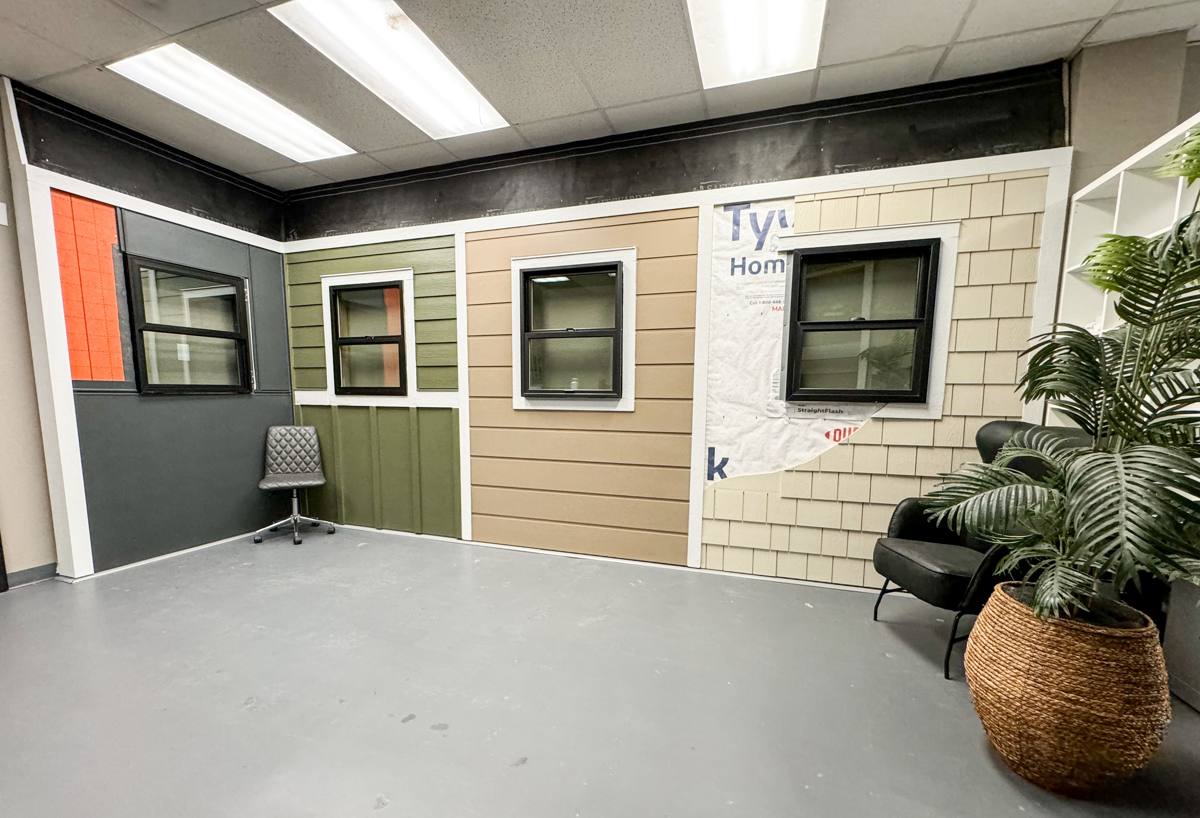
A retrofit (or "pocket") window install works inside an existing frame, using the old opening as-is. New-construction windows are different: they install into a bare rough opening, with a nailing fin or flange that gets integrated directly into the building's water-resistive barrier before stucco, siding, or brick veneer goes on. That gives us full access to flash the opening correctly — something you can't do once the exterior finish is already in place.
The trade-off is that there's no room for error. Once the exterior finish covers the opening, the flashing and fin integration are the only thing standing between that window and a water intrusion problem. This is the stage where the quality of the install matters more than the quality of the window itself.
What a Correct New-Construction Install Involves
- Rough opening checked for square, plumb, and correct dimension before the window ever gets set
- Sill pan flashing installed to shed any water that gets past the window back out, not into the wall cavity
- Window set, shimmed, and fastened per the manufacturer's structural requirements — not just "screwed in until it feels tight"
- Nailing fin integrated into the weather-resistive barrier in the correct shingle-lap order (housewrap or building paper laps over the top flange, under the side and bottom flanges)
- Sealant used only where the manufacturer specifies — over-sealing a fin can trap water instead of shedding it
- Interior and exterior sealed and insulated around the frame per code, without over-packing the gap
- Final check for operation, weep function, and hardware before the crew moves to the next opening
What Hillsborough County's Climate Demands From New Windows
Tampa sits in a wind-borne debris region under Florida's building code, and Hyde Park's proximity to the bay means the whole envelope deals with salt-laden air, intense UV exposure nearly year-round, and wind-driven rain that tests every seal in a storm. New-construction windows here need to be specified and installed with all of that in mind from day one — not upgraded later.
Impact Rating and Wind Zone
Depending on the specific lot and its wind zone designation, new construction in this part of Hillsborough County typically requires either impact-rated glass or an approved shutter/protection system. For most Hyde Park builds, homeowners and builders choose impact-rated glass outright — it removes the need to install shutters before every storm and satisfies code without a secondary system. We pull the correct wind load and design pressure requirements for the specific address before ordering anything; guessing on this is how a job fails inspection.
UV and Heat
Florida sun is hard on glass coatings, vinyl, and seals. Low-E coatings and the right glass package cut down on solar heat gain and reduce fading on interior floors and furnishings, which matters over the life of a home far more than it shows up on day one.
Salt Air and Moisture
Being close to the water means hardware, fasteners, and frame materials see more corrosion pressure than homes further inland. We factor that into what we spec and how we flash — a good seal today that fails from corroded fasteners in five years isn't a good seal.
| Climate Factor | What It Stresses | What the Install Needs |
|---|---|---|
| Hurricane-force wind | Frame anchoring, glass, structural fasteners | Correct design pressure rating, proper fastening schedule per manufacturer specs |
| Wind-driven rain | Flashing, sealant, sill pan | Sill pan flashing, correct shingle-lap sequencing, manufacturer-approved sealant placement |
| Year-round UV | Glass coatings, vinyl/frame finish, interior furnishings | Low-E glass package matched to orientation and sun exposure |
| Salt air | Hardware, fasteners, frame corrosion resistance | Corrosion-resistant fasteners and hardware appropriate for coastal-influenced exposure |
How We Work With Builders and Homeowners on New Construction
New-construction window work almost always means coordinating with someone else's schedule — a general contractor, a framer, a stucco or siding crew waiting on us to clear the opening. We treat that coordination as part of the job, not an afterthought.
Our Process
- Plan review. We look at the window schedule and elevations before the framing is even finalized, and flag any opening sizes or configurations that need attention early.
- Site verification. Once rough openings are framed, we field-measure and confirm every opening against the plans — plans and framing don't always agree, and it's cheaper to catch that now.
- Ordering and lead time. Impact-rated glass, especially in larger or custom sizes, can carry longer lead times than standard glass. We order early and keep the builder's schedule in the loop.
- Install, in the correct sequence. Windows go in before or in coordination with the water-resistive barrier and exterior finish — never as a rushed afterthought once stucco is already scheduled.
- Inspection-ready documentation. We install to the product approval and installation instructions on file with the manufacturer, which is what the county inspector is checking against.
What Homeowners Managing Their Own Build Should Know
If you're the one coordinating trades on a Hyde Park build or major renovation, a few things are worth knowing before you get to the window line item:
- Confirm your wind zone and design pressure requirements early — this drives both product selection and cost, and it's set by your specific site, not a blanket citywide number.
- Ask any window contractor for the product's Florida product approval (FL#) or Miami-Dade NOA if applicable — this is what ties the window to code compliance, and a legitimate contractor will have it on hand without hesitation.
- Get the flashing method described to you in plain language before the walls close up. If a contractor can't explain how water gets shed away from that opening, that's worth pausing on.
- Don't let window installation get scheduled as a rushed afterthought between framing and stucco — it needs its own slot in the sequence.
Cost Factors on New-Construction Window Jobs
Every new-construction bid in this area varies by lot, wind zone, and window package, so we won't quote a number here that doesn't apply to your specific build. What actually moves the price:
| Factor | Why It Matters |
|---|---|
| Wind zone / design pressure rating | Higher-rated impact glass and heavier frames cost more than standard-zone product |
| Window count and total opening size | Larger openings and higher counts affect both material and labor |
| Glass package (Low-E coatings, tint, gas fill) | Performance upgrades add cost but reduce long-term energy and fade exposure |
| Frame material (vinyl, aluminum, composite) | Each has different pricing, maintenance, and corrosion-resistance trade-offs |
| Custom shapes or oversized openings | Non-standard sizes and shapes typically carry a premium and longer lead time |
| Coordination complexity | Multi-trade scheduling on active job sites can affect labor cost and timeline |
Why Work With a Crew That Already Knows Hyde Park
A crew that regularly works new construction in this part of Tampa already knows the wind zone patterns, the county's inspection expectations, and how salt air and heat affect long-term performance here — none of which is universal knowledge that transfers cleanly from another market. That local familiarity shows up in fewer surprises: fewer re-orders because a spec didn't match the actual wind load for the lot, fewer inspection delays because the paperwork wasn't in order, and a flashing detail that's been proven on other Hyde Park builds rather than improvised on-site.
It also means better coordination with the other trades on your job. Builders and GCs in this area know which window crews show up on schedule and which cause delays further down the build sequence — reputation in a local trade network isn't abstract, it directly affects how smoothly your project moves.
Get an Estimate for Your Hyde Park Build
Whether you're a builder lining up trades for a new project or a homeowner managing your own construction, we're happy to look at your plans, talk through wind zone and glass requirements, and give you a straightforward estimate. There's no pressure and no obligation — just a clear picture of what the job involves and what it costs. Use the form below to get started.