 Tampa Window
 Why Davis Islands Homes Need a Different Approach to Energy-Efficient Windows
Davis Islands sits closer to open water than most Tampa neighborhoods, and that changes what "energy-efficient windows" actually needs to mean for a home here. A window that performs well in an inland subdivision isn't automatically the right choice a few blocks from the bay. Between the wind exposure, the salt in the air, and the amount of direct sun these homes take on through the day, the glass and frame package has to handle a lot more than keeping the utility bill down. It has to survive the environment first, and be efficient second — because an energy-efficient window that fails early on Davis Islands was never really efficient at all.
This page is about that one job done right in this one place: what the local climate actually does to windows, what a correct installation involves, and how we approach the work differently for homes in this part of Tampa.
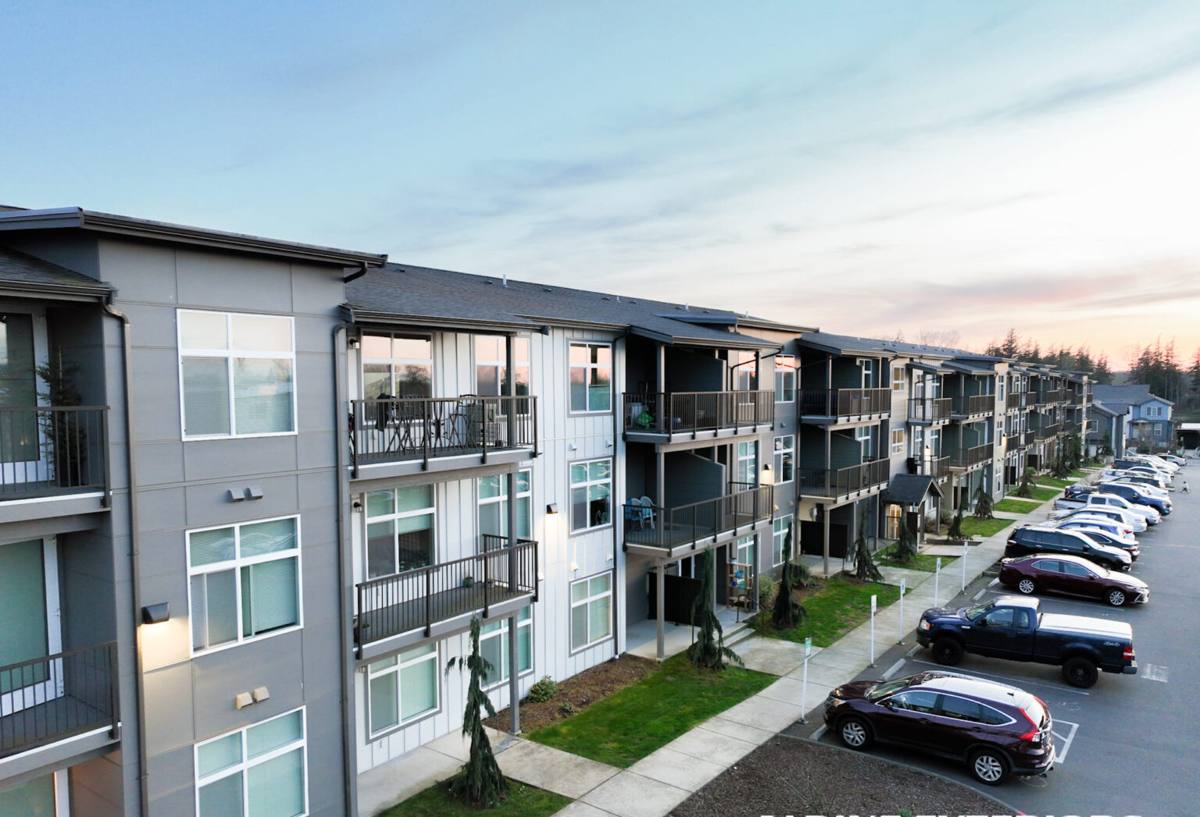
What Davis Islands' Climate Does to Windows Over Time
Hurricane-Force Wind Loads
Homes on Davis Islands sit in a high-wind zone under Florida Building Code, and Hillsborough County enforces that code closely for any coastal-adjacent property. Wind isn't just a storm-day concern — it's a design load. Windows here need to be rated to resist both direct wind pressure and windborne debris impact, not simply installed and hoped for the best. A window that's undersized for its wind zone, or installed with the wrong anchoring, is a liability the first time a serious system comes through the bay.
Intense, Year-Round UV
Tampa's sun angle and the number of clear days per year put real stress on window components that homeowners further north rarely think about. UV breaks down vinyl and low-quality seals faster than the manufacturer's glossy brochure suggests, and it's the main reason cheap low-E coatings and weak frame materials fade, chalk, or go brittle well before their rated lifespan. On a west- or south-facing elevation, that degradation happens faster still.
Wind-Driven Rain
It's not enough for a window to keep water out in a calm rain. Wind-driven rain — rain pushed sideways and upward into a wall assembly during a squall or tropical system — is a different test entirely, and it's the one that actually causes water intrusion around window frames. Correct flashing and sill pan detailing matter more here than almost anywhere else in the installation.
Salt Air Corrosion
Proximity to Tampa Bay means salt-laden air reaches hardware, fasteners, and metal components faster than it would inland. Standard steel screws, uncoated aluminum components, and lower-grade hardware corrode noticeably faster this close to the water. This is one of the biggest reasons product and hardware selection matters so much for a Davis Islands job specifically.
What "Energy-Efficient" Actually Means for a Bayfront Tampa Home
Low-E Glass and Solar Heat Gain
In Hillsborough County's climate, the efficiency conversation is almost entirely about keeping heat and UV out, not keeping heat in. That means the Low-E coating and the Solar Heat Gain Coefficient (SHGC) matter more here than the U-factor numbers that dominate cold-climate marketing. A window can be a poor fit for this climate even with a good U-factor if the SHGC is too high for a west-facing room.
Impact Resistance vs. Energy Performance
The good news for Davis Islands homeowners: modern impact-rated laminated glass and efficient glass packages are not in conflict. Impact windows use a laminated interlayer that, done right, also improves sound dampening and can carry a solid Low-E coating. The trade-off isn't performance — it's cost and weight, which affects frame and hardware choices.
Frame Material Trade-offs
Frame material is where a lot of the real decision-making happens, and it's also where corners get cut. We'll walk through the trade-offs honestly below rather than push one product as if it's the only right answer — the correct choice depends on the home, the elevation, and the budget.
Comparing Window Frame Options for Davis Islands
| Frame Material | Salt Air / Coastal Durability | Energy Performance | Maintenance | Typical Cost |
|---|---|---|---|---|
| Vinyl (impact-rated) | Good — won't corrode, but can discolor or become brittle under sustained UV if it's a lower-grade formulation | Strong; performs well for the cost | Low | $$ |
| Aluminum (impact-rated) | Fair to good if properly coated and hardware is corrosion-resistant; bare or poorly finished aluminum corrodes faster near the bay | Moderate unless thermally broken | Moderate | $$–$$$ |
| Fiberglass / composite | Excellent — very stable in heat, UV, and salt exposure | Strong | Low | $$$ |
| Wood-clad | Poor without diligent upkeep — moisture and salt air accelerate rot at the cladding seams | Strong when new | High | $$$$ |
We steer most Davis Islands clients toward impact-rated vinyl or fiberglass/composite frames for the simple reason that they hold up with the least maintenance in this specific environment. Wood-clad frames can look great, but we're upfront that they require a maintenance commitment that most coastal homeowners underestimate — that's a trade-off worth knowing before you buy, not after.
What a Correct Installation Involves
The window product itself is maybe half the job. The other half is installation detail, and on Davis Islands, that detail is what determines whether the window actually performs the way its rating suggests. A correct job includes:
- Confirming the wind zone and design pressure rating required for the home's specific location and elevation
- Removing old windows without damaging the rough opening or existing wall structure
- Inspecting the opening for hidden moisture damage or rot before anything new goes in
- Installing a proper sill pan and flashing sequence to shed wind-driven rain, not just caulk and hope
- Using corrosion-resistant fasteners and hardware rated for coastal exposure
- Anchoring to the manufacturer's tested installation instructions for the rated design pressure — not a generic install
- Sealing with the correct sealant for the substrate, not a one-size-fits-all caulk
- Verifying operation, drainage, and a clean, gap-free reveal before calling the job done
Skip any one of these steps and you can end up with a window that's individually rated for hurricane-force wind but fails at the installation, which is where most real-world water intrusion problems actually start.
Our Process From Estimate to Final Inspection
- On-site assessment. We look at each opening individually — elevation, exposure, existing frame condition, and any signs of past water intrusion.
- Product and glass package selection. We recommend frame material and glass package based on that specific elevation's sun and wind exposure, not a blanket recommendation for the whole house.
- Permit and wind-load documentation. We handle the Hillsborough County permitting and make sure the product's design pressure rating matches what the home's location requires.
- Removal and opening prep. Old units come out carefully, and we address any hidden rot or damage before installation — not after.
- Installation to manufacturer spec. Flashing, anchoring, and sealing follow the tested installation method for the specific product, not a generic shortcut.
- Final inspection and walkthrough. We test operation and drainage and walk the finished job with you before we consider it complete.
Permitting and Wind-Zone Requirements in Hillsborough County
Window replacement on Davis Islands requires a permit through Hillsborough County or the City of Tampa depending on the specific parcel, and inspectors will check that the installed product's design pressure rating matches what's required for that wind zone. This isn't paperwork for its own sake — it's the mechanism that confirms the window that goes on your wall is actually built for what this location will throw at it. We manage this as part of the job rather than leaving it for the homeowner to sort out.
Why Local Experience on Davis Islands Matters
A crew that's worked this neighborhood already knows which elevations take the worst afternoon sun, which streets sit closest to the water and need the most corrosion-resistant hardware, and how the county inspectors here actually want the documentation presented. That's not something you get from a crew that mostly works subdivisions twenty miles inland and treats a Davis Islands job the same as any other. It shows up in fewer surprises during the permit process, fewer callbacks for wind-driven rain intrusion, and windows that still operate smoothly five and ten years out instead of needing early hardware replacement from salt corrosion.
Get a Straight Answer for Your Home
Every home on Davis Islands has its own mix of sun exposure, wind exposure, and existing window condition, and the right product and installation approach follows from that — not from a generic package. If you'd like an honest look at what your windows need and what it would take to get them right, we offer a free, no-pressure estimate. Fill out the form below and we'll take it from there.