 Tampa Window
 James Hardie Siding in Hyde Park: A Neighborhood That Tests Exterior Materials Harder
Hyde Park sits close to Tampa Bay, with tree-lined streets, mature landscaping, and a housing stock that skews older and more architecturally distinct than much of the rest of Hillsborough County — bungalows, Craftsman homes, and early-20th-century construction mixed in with newer infill. That combination of age and proximity to open water changes what a home's siding actually has to survive. Salt-laden air off the bay, deep shade from established canopy in some spots and full sun exposure in others, and the same hurricane-season wind and wind-driven rain that every Tampa property deals with all add up to conditions an inland, newer-construction home doesn't face in the same way.
We install James Hardie fiber cement siding, exclusively, on homes throughout Tampa and Hillsborough County, including Hyde Park. This page covers what siding needs to hold up in this specific setting, what a correct installation involves on an older, bay-adjacent home, and why a crew that already knows this neighborhood's housing stock matters more here than it would on a standard subdivision job.
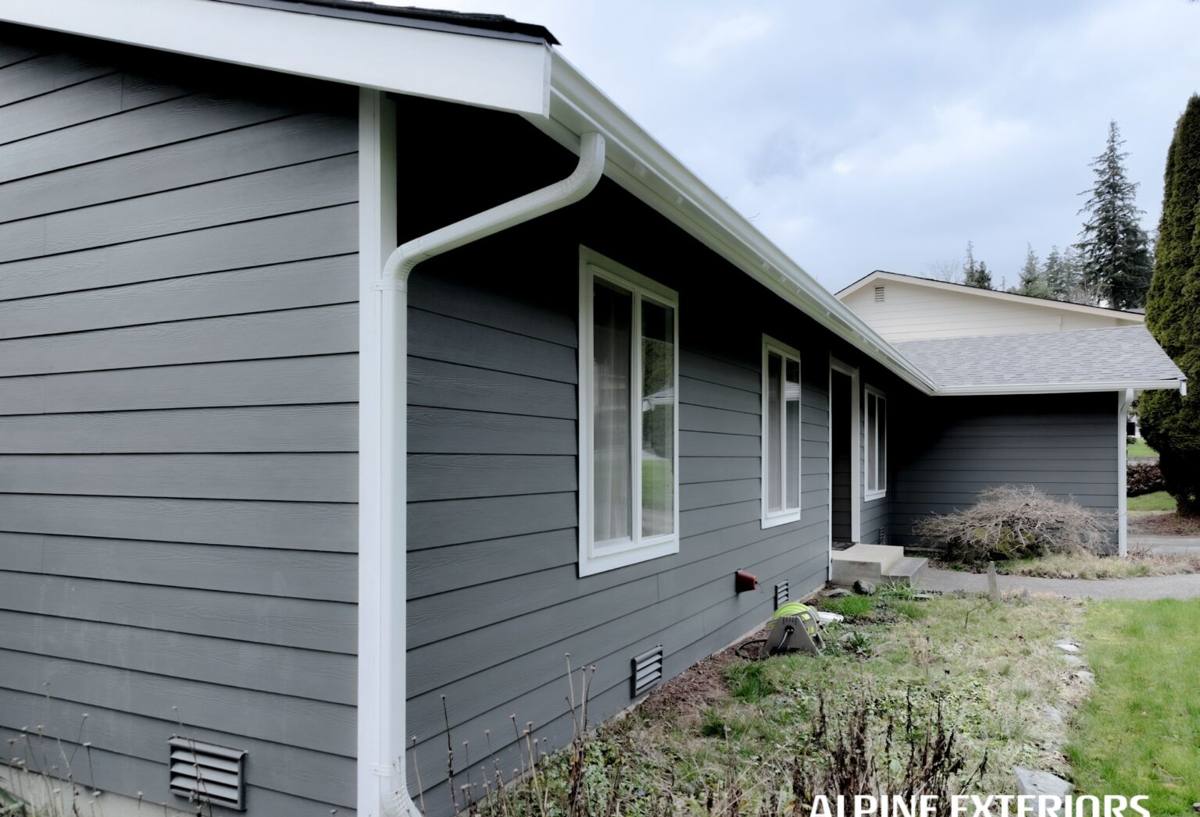
What Makes Hyde Park Different From a Typical Tampa Job
Older Wall Assemblies
A lot of Hyde Park homes predate modern weather-resistive barrier standards, engineered flashing details, and current fastening codes. That's not a knock on the original builders — it just means the wall behind the siding wasn't assembled to today's moisture-management standards, and there's sometimes more than one layer of old siding or paint history to work through before new cladding can go on correctly. Treating one of these homes like a same-day cover-over job on new construction skips steps that matter.
Salt Air Off the Bay
Proximity to Tampa Bay means more airborne salt reaching exterior walls here than a property sitting several miles inland. Salt accelerates corrosion on exposed metal fasteners, trim, and flashing, and it finds its way into unsealed joints and gaps faster than it would in a drier, less coastal setting. Layer that on top of Tampa's intense year-round UV and the wind-driven rain that comes with every hurricane season, and siding on a Hyde Park home is under more sustained environmental load than the same product a few miles inland.
Why We Install Only James Hardie Fiber Cement
We don't sell or install vinyl, LP SmartSide, Cemplank, Allura, primed spruce, or cedar. That's a standard we hold across every job, not a gap in what we offer. Each of those products does something well in the right application — vinyl is affordable, engineered wood takes paint readily, cedar has genuine natural character — but weighed against a climate that stacks hurricane-force wind, relentless UV, wind-driven rain, and coastal salt air the way Hyde Park's does, each one carries a trade-off we've chosen not to build our reputation on.
Vinyl can warp or become brittle under sustained heat and UV exposure, and its seams and J-channel joints give wind-driven rain an entry point over time — a real liability during a named storm. Engineered wood siding depends on every cut edge, fastener hole, and joint staying properly primed and sealed indefinitely, a hard standard to maintain in a climate without a real dry season to catch up on upkeep. Cedar and primed spruce are organic materials that need periodic refinishing to resist sun and moisture damage, an ongoing cost that falls to the homeowner for as long as the siding is on the house — and one that's harder to stay ahead of on an older home where matching existing trim already takes extra care.
James Hardie fiber cement is cement, sand, and cellulose fiber — not an organic material. It won't rot, swell, or feed mold, and it's non-combustible. Hardie also builds climate-specific HZ formulations rather than one generic product sold everywhere, which matters directly in a coastal, storm-exposed market like Tampa Bay. Combined with a factory-baked ColorPlus finish — applied under controlled conditions rather than field-painted in whatever weather shows up — and a strong, transferable manufacturer warranty, it's the system we're willing to put our name behind for a full Florida hurricane season, not just for how it looks the day it's installed.
What a Correct Installation Requires in This Setting
Fiber cement only performs the way it's engineered to if it's installed to manufacturer spec — and an older home or a bay-facing lot doesn't get a pass on that standard. If anything, both raise the stakes.
Wind-Rated Fastening
Every Tampa-area property is a candidate for hurricane-force wind at some point, so siding has to be fastened for that load, not just installed to look right on a still day. That means selecting the correct Hardie product line for the wall's exposure, following Hardie's published fastening schedule exactly, and not varying nail type, depth, or spacing to save time.
Flashing and Moisture Control on Older Walls
Every window, door, and wall penetration needs flashing that's lapped and sealed to direct water out, not trap it behind the new cladding. On an older Hyde Park home, that usually means removing and properly rebuilding whatever flashing is already there instead of layering new siding over a deteriorated or outdated detail — a shortcut that causes hidden rot and moisture damage long after the job looks finished from the curb.
Corrosion-Resistant Hardware
Salt air degrades standard fasteners and trim noticeably faster near the bay than it does a few miles inland. Corrosion-resistant fastening hardware and properly sealed trim aren't optional extras on a Hyde Park installation — they're what separates siding that holds its warranty and appearance for decades from siding that shows rust streaking and loose trim within a few years.
Matching Existing Architectural Character
Many Hyde Park homes have specific trim profiles and lap exposures that define their look. James Hardie's range of exposure widths, trim boards, and accent profiles usually allows a close match, but that only happens if the crew measures and plans for it instead of defaulting to a generic, one-size install.
- Existing siding, trim, and flashing inspected and properly assessed before anything is removed
- Flashing rebuilt and sealed correctly at every window, door, and penetration
- Weather-resistive barrier installed and lapped correctly underneath new siding
- Corrosion-resistant fasteners used throughout given the proximity to the bay
- Hardie product line and fastening schedule matched to the home's wind exposure
- Trim widths and exposure selected to match existing architectural details where appropriate
Choosing the Right Hardie Profile for a Bay-Adjacent Home
James Hardie offers several siding profiles — lap siding, board-and-batten, shingle-style panels — built in climate-specific HZ formulations. For a Hyde Park property, the choice isn't only about matching the home's existing look; it also comes down to how much direct sun, salt, and storm exposure a given wall actually sees.
| Consideration | Shaded or Inland-Facing Wall | Bay-Facing or Open-Exposure Wall |
|---|---|---|
| Salt air exposure | Lower — reduced by distance and surrounding structures | Higher — direct exposure speeds fastener and trim wear |
| UV and finish fading | Moderate — canopy shade cuts direct sun | High — full sun tests the ColorPlus finish and caulk joints |
| Wind load in storms | Partially buffered by trees and adjacent homes | Higher — fewer windbreaks, more direct exposure |
| Recommended attention | Standard installation spec is generally sufficient | Extra attention to fastening schedule, flashing, and corrosion-resistant hardware |
Signs a Hyde Park Home's Siding Needs Attention
Given the mix of older construction and coastal exposure common here, it helps to know the warning signs rather than wait for something obvious to fail.
- Rust streaking at fasteners, trim, or flashing joints
- Paint or caulk that keeps failing no matter how often it's redone
- Soft spots or slight give near window and door trim on original openings
- Siding that's cupping, bowing, or separating at the seams
- Water staining below rooflines, gutters, or wall-to-roof transitions
- Visible gaps where old siding meets window or door casing
None of these automatically means full replacement — sometimes a targeted repair or a flashing correction is enough. But on an older, bay-adjacent home, moisture and corrosion problems tend to compound quickly once they start, so it's worth having someone look before the next storm season finds the weak point for you.
Permitting Considerations for Hyde Park Properties
Exterior siding work in Hillsborough County requires a permit, and a licensed contractor pulls it and gets the finished work inspected against Florida's wind-load and building code requirements. That inspection isn't a formality — it's the check that confirms fastening, flashing, and product selection actually meet the standard set for this wind zone.
Some parts of Hyde Park also carry local historic district designation, which can mean exterior changes visible from the street require review before work starts. Not every property or every scope of work triggers that review, and it depends on the specific home and its location within the district, so it's worth confirming early rather than assuming either way. A contractor who's worked in the neighborhood before knows to raise this question up front instead of finding out mid-project.
Cost Factors Worth Understanding Before You Get an Estimate
We don't quote blanket per-square-foot pricing because the real cost depends on specifics that vary from one Hyde Park property to the next. These are the factors that actually move a number:
| Factor | Why It Affects the Job |
|---|---|
| Condition of the existing wall assembly | Older homes sometimes reveal rot or deteriorated sheathing once old siding comes off, adding scope beyond a straightforward install |
| Number of prior siding layers | Some historic homes have been re-sided more than once, and full removal takes longer than a single-layer tear-off |
| Trim and architectural detail | Matching original trim profiles and exposure widths takes more measuring and labor than a uniform, standard install |
| Historic district review, where applicable | Review timelines and any material or color constraints can affect scheduling |
| Bay-facing exposure | Elevations with direct salt air exposure need upgraded corrosion-resistant hardware, which adds material cost |
The only way to get an accurate number is a walkthrough of the actual property — which is exactly what a free estimate is for.
Maintaining Hardie Siding This Close to the Bay
Fiber cement asks a lot less of a homeowner than wood-based alternatives, but less maintenance isn't no maintenance, especially this close to open water. Periodically rinsing salt residue off exterior walls slows corrosion on fasteners and trim. Keeping gutters clear ahead of Florida's wet season stops water from overflowing directly onto siding at the eaves. Checking caulk lines and trim joints after a major storm, rather than waiting for a routine annual look, catches wind-driven rain intrusion before it becomes a bigger repair. None of it is heavy work, but it matters more here than it would a few miles inland.
If you're weighing James Hardie siding for a home in Hyde Park or elsewhere around Tampa, we're glad to take a look and give you a straightforward read on what your specific property needs — no pressure, no generic sales pitch. Reach out using the form below to schedule a free estimate.