 Tampa Window
 Why Energy Efficiency Means Something Different in Hyde Park
Hyde Park is one of Tampa's older, closer-in neighborhoods, and that history shows up in its housing stock — bungalows, Mediterranean Revival homes, and mid-century additions sitting shoulder to shoulder with newer infill. A lot of the original windows in these homes were never built with energy performance in mind, because energy codes as we know them didn't exist yet. Single-pane glass, thin aluminum or wood frames, and decades of settling and repainting have left many of these openings leaking conditioned air in both directions — cool air out in summer, humid air in.
In a neighborhood this close to downtown and the bay, that inefficiency isn't just a comfort issue. It's a bill you pay every single month, twelve months a year, because Tampa doesn't really have an "off season" for air conditioning. Energy-efficient windows are one of the few home improvements that pay you back on a schedule you can actually feel — lower utility bills, fewer hot spots near the glass, and less strain on an HVAC system that's already working overtime for most of the year.
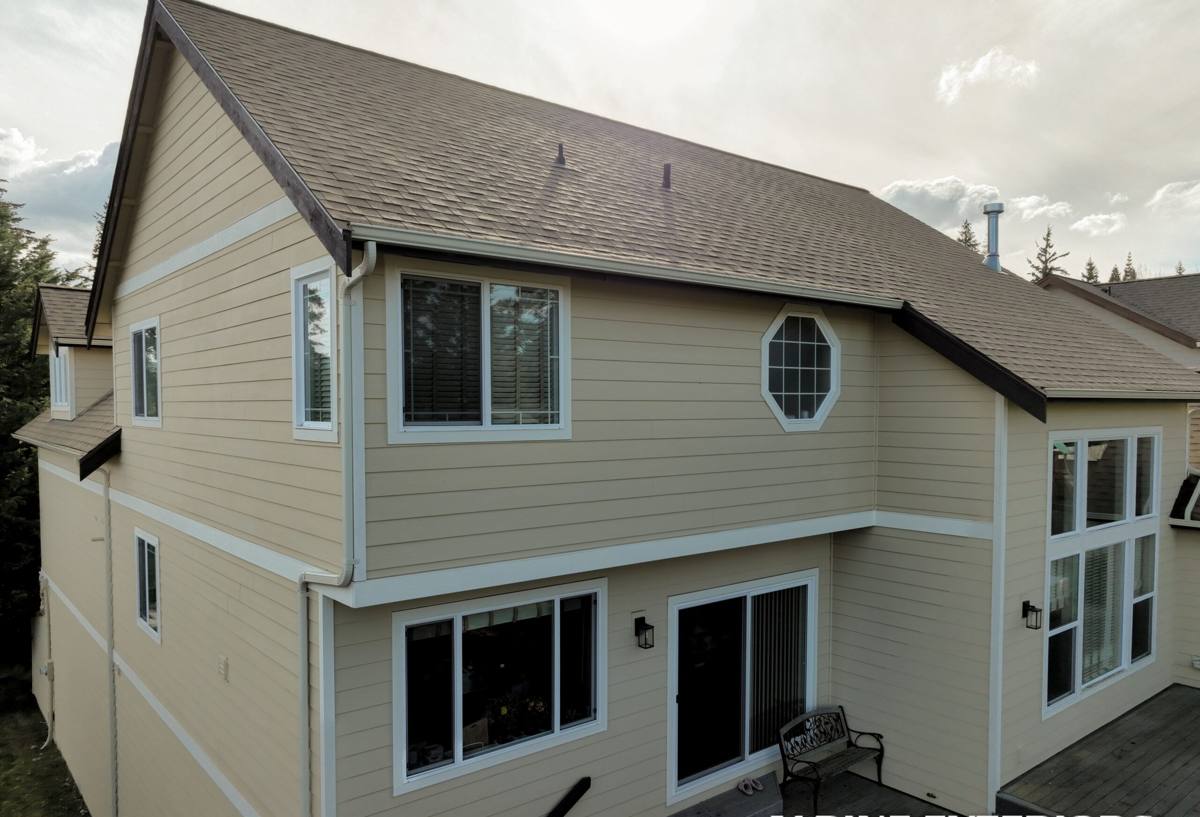
What Hillsborough County's Climate Does to Windows
Any honest conversation about windows in this part of Tampa has to start with what the climate actually does to them over time. Hurricane-force winds test the structural connection between the window and the wall. Intense, near year-round UV breaks down seals, gaskets, and low-quality vinyl faster than in most of the country. Wind-driven rain finds every gap in flashing and caulk during a tropical system. And salt air off Tampa Bay slowly corrodes hardware and lesser metal components, even several miles inland.
Older Hyde Park windows were rarely built to handle all four of those stresses at once. A window that was fine in 1975 is often the weak point in the wall today — not because it failed all at once, but because UV and moisture cycling wore it down inch by inch. Energy-efficient replacement windows solve the comfort problem, but the ones worth installing here also have to solve the durability problem, or you're just buying a nicer version of the same slow failure.
What Actually Makes a Window Energy-Efficient
"Energy-efficient" gets used loosely in this industry. On a real job, it comes down to three things working together: the glass, the frame, and the installation. Get one wrong and the other two don't matter much.
Glass Package
For Tampa's climate, the priority is blocking solar heat gain, not just insulating against cold — we're rarely fighting cold here. Low-E coatings tuned for hot, humid climates cut down the infrared heat that pours through glass on a sunny Florida afternoon, while still letting in visible light. Insulated (double-pane) units with an argon or krypton gas fill between the panes add another layer of thermal resistance and help with sound, which matters on the busier streets that cut through Hyde Park.
Frame Material
Frame choice affects both efficiency and how the window holds up to salt air and UV. Quality vinyl, fiberglass, and properly clad wood frames all have a place depending on the home's style and the owner's priorities — Hyde Park's historic character often calls for a frame profile that respects the original sightlines rather than a bulky modern replacement look. What we steer clients away from is thin, low-grade vinyl that chalks and warps under sustained UV exposure within a few years. That's a maintenance and durability call on our part, not a knock on vinyl as a category — good vinyl performs well here.
Installation Detail
This is the part that gets skipped on rushed jobs and it's usually where energy loss actually happens. Proper flashing, sealant, and shimming around the window unit matter as much as the glass spec on the label. A high-performance window installed with gaps in the weather barrier will leak air and, eventually, water — undoing most of what you paid for.
| Factor | Lower-Cost Approach | Performance Approach |
|---|---|---|
| Glass | Clear or basic tinted dual-pane | Low-E coated, gas-filled dual-pane |
| Frame | Thin-wall vinyl or unclad aluminum | Reinforced vinyl, fiberglass, or clad wood |
| Sealing | Caulk only, minimal flashing | Full flashing system with sealant and backer rod |
| Wind rating | Standard, non-impact | Impact-rated or code-compliant for wind zone |
| Expected lifespan here | 8–12 years before visible degradation | 20+ years with normal maintenance |
Matching the Window to the Home
Hyde Park's mix of older bungalows, revival-style homes, and newer construction means there's no single "right" window for the neighborhood. What we focus on is matching the replacement to what the home actually needs:
- Homes with original wood windows often benefit from a replacement that preserves the historic proportions and grille pattern rather than a generic off-the-shelf size
- Homes with large west- or south-facing glass need extra attention to solar heat gain, since that's where afternoon sun does the most work on your AC bill
- Homes closer to the water or with a lot of direct sun exposure need hardware and frame materials that resist salt and UV specifically, not just general-purpose components
- Additions or newer sections of a home may already meet current code and just need efficiency upgrades, not structural changes
We walk the exterior and interior of each opening before quoting anything, because a window recommendation made from a phone call or a photo alone is a guess, not a plan.
How the Job Actually Works
A properly done window replacement has a sequence, and skipping steps is where most problems start.
- Assessment — we measure every opening individually (older homes are rarely perfectly square), check for rot or moisture damage in the surrounding framing, and note the wind exposure and orientation of each window.
- Product selection — we go over glass, frame, and grille options based on the home's style, the room's sun exposure, and your budget, with honest trade-offs explained up front.
- Removal and prep — old units come out carefully to protect interior trim and exterior siding or stucco, and we address any rot or water damage found underneath before anything new goes in.
- Installation — proper flashing, shimming, and sealing around each unit, not just caulk around the edges.
- Final check — operation, seal, and weatherproofing are inspected before we call the job done, and any permit-required inspections are scheduled.
Permits and Code in the City of Tampa
Window replacement in the City of Tampa, within Hillsborough County, generally requires a permit, and installers need to meet current wind-load and energy code requirements for the area — these aren't optional extras, they're the baseline. If a home is in a designated historic district, there may be additional review for anything visible from the street, which is a real consideration in parts of Hyde Park. We handle the permitting and code compliance as part of the job rather than leaving it for the homeowner to sort out, and we won't skip a required permit to save time — that's a liability that lands back on the homeowner later, not on us.
Signs Your Current Windows Are Working Against You
- You can feel a draft near the window even with it fully closed and locked
- The glass or frame feels noticeably hot to the touch on a sunny afternoon
- Condensation regularly forms between the panes, meaning the seal has failed
- The frame has visible warping, chalking, or discoloration from UV exposure
- Windows are hard to open, close, or lock, suggesting the frame has shifted
- You notice street noise is more noticeable through certain windows than others
- Paint or caulk around the exterior trim is cracking or pulling away
Any one of these on its own isn't an emergency. Several of them together, especially on windows over 15–20 years old, usually means replacement will cost less over time than continuing to patch and repaint.
Why Local Experience with Hyde Park Homes Matters
A crew that regularly works in Hyde Park already knows the kinds of framing quirks, older stucco and siding conditions, and historic-district considerations that come up in this neighborhood — that's fewer surprises mid-project and fewer change orders. It also means familiarity with how the City of Tampa and Hillsborough County handle permitting and inspections for this type of work, which keeps a project moving instead of stalling on paperwork. Beyond the technical side, a local crew has a reputation in the neighborhood to protect, which tends to show up in how carefully they treat your property and how they stand behind the work afterward.
If your windows are drafty, hard to operate, or just costing you more than they should every summer, we're happy to take a look and walk you through honest options for your specific home — no pressure, no obligation. Use the form below to request a free estimate.