 Tampa Window
 Roofing in Hyde Park Comes With Its Own Set of Problems
Hyde Park is one of Tampa's older, more established neighborhoods, which means the roofs here run the full range — from recent tear-off-and-replace jobs to shingles that have been sitting through a decade or more of Gulf Coast weather. Whatever the age of your roof, it's fighting the same four things every home in this part of Hillsborough County deals with: hurricane-force wind gusts during storm season, intense UV exposure nearly year-round, wind-driven rain that gets pushed sideways instead of falling straight down, and salt-laden air rolling in off the bay. None of these are exotic problems, but together they're why a roof that might last 25-30 years in a mild inland climate often needs real attention closer to the 15-20 year mark here.
We work on asphalt shingle roofs throughout Tampa, but Hyde Park's mix of home styles — bungalows, Mediterranean revivals, mid-century additions, and newer infill construction — means no two roof decks are quite alike. A correct job starts with understanding what's actually under the shingles, not just what's on top.
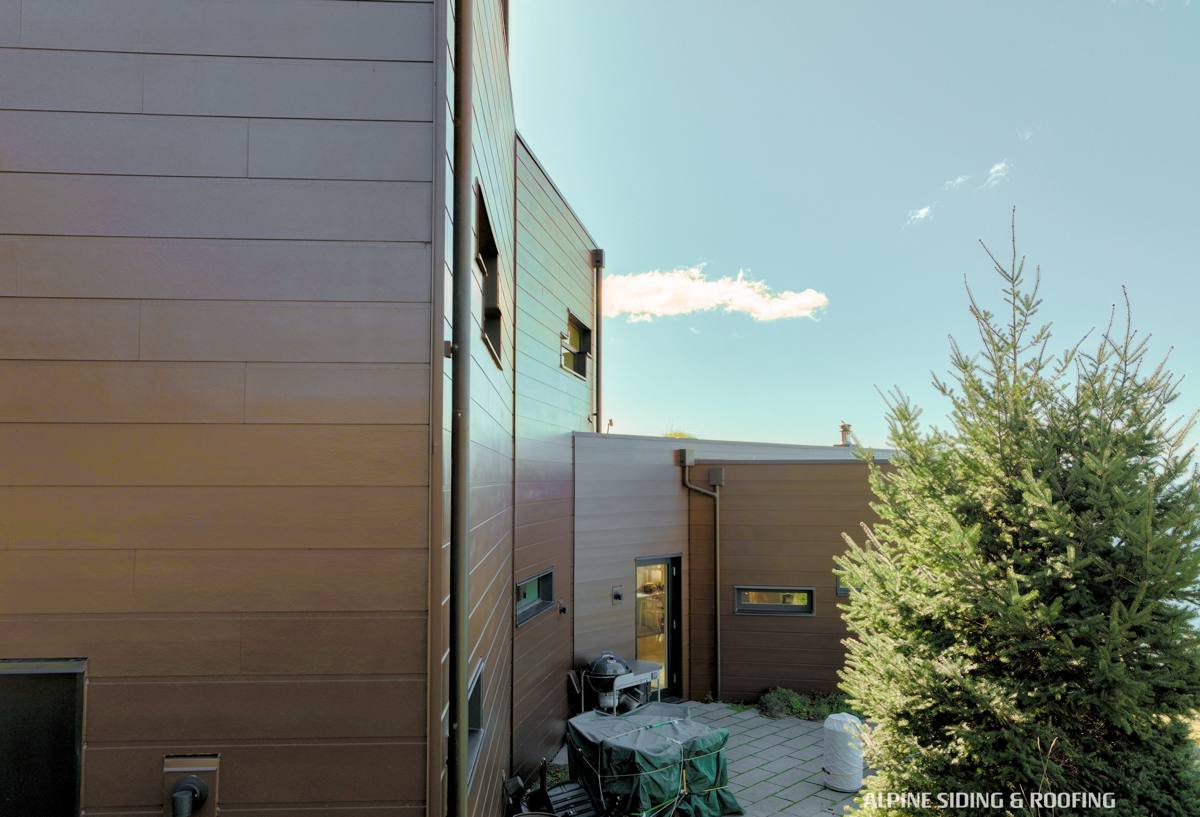
What Hyde Park's Climate Actually Does to a Shingle Roof
Wind
Tampa Bay sits in a wind zone that sees tropical storm and hurricane conditions on a fairly regular basis. Shingles rated for a lower wind speed than what's actually required for Hillsborough County will lift at the tab edges over time, even if a big storm never hits directly — repeated flexing during smaller wind events loosens the seal strip long before a hurricane does.
UV and Heat
Florida sun is relentless on asphalt shingles. UV breaks down the asphalt oils that keep shingles flexible, and the granules that protect against that UV wear off faster on a roof that's baked all summer. Once granule loss starts, the shingle underneath degrades much faster.
Wind-Driven Rain
Straight-down rain is easy for any roof to shed. Sideways, wind-driven rain — the kind that comes with nearly every serious storm here — tests the flashing, the underlayment laps, and the seal around every penetration (vents, chimneys, skylights). This is where poorly installed roofs leak, even when the shingles themselves look fine.
Salt Air
Hyde Park isn't right on the water, but it's close enough that salt-laden air still accelerates corrosion on exposed metal — nail heads, flashing, vent stacks, and drip edge. Corroded fasteners and flashing are a common hidden cause of leaks on roofs that otherwise look sound from the ground.
What a Correctly Installed Shingle Roof Needs Here
A roof built for this climate isn't just "shingles nailed to a deck." The components that actually determine how long it lasts and how well it survives a storm are mostly things you can't see once the job is done:
- A wind-rated shingle appropriate for Hillsborough County's building code, installed with the manufacturer's specified nailing pattern — not a generic pattern that happens to be faster
- A sealed, storm-rated underlayment (not old-style felt alone) as the actual waterproofing layer beneath the shingles
- Properly lapped and sealed flashing at every roof-to-wall transition, valley, chimney, and vent penetration
- Corrosion-resistant fasteners and metal components, given the salt air exposure
- Balanced attic ventilation, so heat and moisture don't get trapped under the deck and shorten the roof's life from underneath
- Drip edge and starter strip installed correctly at the eaves and rakes — a frequent shortcut on lower-quality installs
Skip any one of these and the roof may look fine for a few years before the weak point shows up — usually during the storm season it was supposed to handle.
Signs a Hyde Park Roof Needs a Closer Look
Most roof problems don't announce themselves with an obvious leak right away. Watch for:
- Shingles that look curled, cupped, or have lost noticeable granules (often visible as bald, darker patches)
- Missing or lifted shingle tabs after a windy afternoon, even without a named storm
- Soft spots or sagging when walked on, which can indicate deck damage underneath
- Streaking, dark stains, or granule buildup in gutters
- Daylight visible through the attic roof deck, or damp insulation after rain
- Rusty streaking around vent stacks, flashing, or nail heads
Any one of these is worth a real inspection before it turns into interior damage.
Our Process for a Hyde Park Roofing Job
1. Inspection and Honest Assessment
We walk the roof (or use a lift/drone where the pitch or access calls for it), check the attic from inside when possible, and tell you plainly whether you're looking at a repair, a partial re-roof, or a full replacement. If a repair is genuinely the right call, we say so.
2. Tear-Off and Deck Check
Full re-roofs start with a complete tear-off, not a layer-over-layer shortcut. This lets us inspect the actual roof deck for rot, soft spots, or old damage before anything new goes down — problems you can't see or fix once new shingles are on top of them.
3. Underlayment and Flashing First
The waterproofing layer and flashing details go in before a single shingle is laid, because that's the layer doing the real work during wind-driven rain.
4. Shingle Installation to Code
Shingles go down with the wind-rated nailing pattern specified for our region, not a generic minimum. We handle the paperwork for permitting and, where applicable, the wind mitigation inspection that can affect your homeowners insurance premium.
5. Final Walkthrough
We review the finished roof with you, cover warranty coverage on both materials and labor, and leave you with documentation for insurance and future reference.
Comparing Shingle Options for This Climate
| Shingle Type | Typical Wind Rating | Best For | Trade-Offs |
|---|---|---|---|
| 3-tab asphalt | Lower end of code-compliant options | Budget-conscious re-roofs, secondary structures | Shorter lifespan in high-UV, high-wind climates; less impact resistance |
| Architectural (laminated) asphalt | Mid-to-high, varies by product | Most Hyde Park homes; balance of durability and cost | Higher upfront cost than 3-tab, but meaningfully longer service life here |
| Impact-rated architectural | High, plus impact resistance rating | Homes seeking storm resilience and possible insurance credits | Highest upfront cost; not always necessary outside the highest-wind zones |
We don't push impact-rated shingles on every job — for many Hyde Park homes, a quality architectural shingle correctly installed with proper underlayment and flashing gets you the durability you need without paying for a rating your specific home doesn't require. We'll walk through the honest trade-offs for your situation rather than defaulting to the most expensive option.
Permits, Code, and Wind Mitigation
Hillsborough County requires permits for roof replacement, and the shingle system has to meet the wind-resistance requirements set for our region — this isn't optional paperwork, it's what keeps the roof performing when the wind actually picks up. We handle the permitting process as part of the job. Once the new roof is in, a wind mitigation inspection can document the storm-resistant features you now have (proper roof-to-wall connections, secondary water barrier, etc.), which can sometimes lower your homeowners insurance premium — worth asking your insurer about after the job is done.
What Drives the Cost of a Hyde Park Re-Roof
| Factor | Why It Matters |
|---|---|
| Roof size and pitch | More square footage and steeper pitches mean more material and labor time |
| Deck condition | Rotted or damaged decking found during tear-off adds repair cost before new shingles go on |
| Shingle grade chosen | 3-tab, standard architectural, and impact-rated products carry different material costs |
| Number of penetrations and valleys | More vents, chimneys, skylights, and valleys mean more flashing work |
| Access and layout | Steep pitches, multiple stories, or tight lots can affect labor and equipment needs |
Rather than quote a number that doesn't mean anything until we've seen the actual roof, we price each job after inspection so you're getting an estimate based on your home, not a generic average.
Why It Matters to Hire a Crew That Already Works This Area
A crew that regularly works in Hyde Park and the surrounding Tampa neighborhoods already knows the local permitting process, the wind and code requirements for Hillsborough County, and the kinds of roof decks and construction common to homes of this area's age and style. That familiarity shows up in fewer surprises mid-job, a smoother permit and inspection process, and a roof that's actually built for the storms and sun this specific location sees — not a generic install pulled from a different climate.
If your Hyde Park roof is showing its age, took some wind damage, or you just want an honest read on how much life is left in it, we're happy to take a look. Fill out the form below for a free, no-pressure estimate.