 Tampa Window
 Why Riverview Homes Need a Different Approach to Windows
Riverview sits in one of the fastest-growing parts of Hillsborough County, with a mix of newer subdivisions and older homes that have gone through years of Florida weather. Whatever the age of the house, the windows are doing more work here than they would almost anywhere else in the country. Between long stretches of intense UV exposure, wind-driven rain during summer storms, the occasional hurricane threat, and humidity that never really lets up, a window has to hold up to conditions that most manufacturers only test for on paper.
When windows aren't matched to this climate, the signs show up gradually: fogging between panes, warped or swollen frames, spiking summer cooling bills, and seals that fail years before they should. Energy-efficient windows done right aren't just about comfort — they're about picking products and installation methods that were built for exactly this kind of environment, not a generic climate zone that doesn't match Tampa Bay.
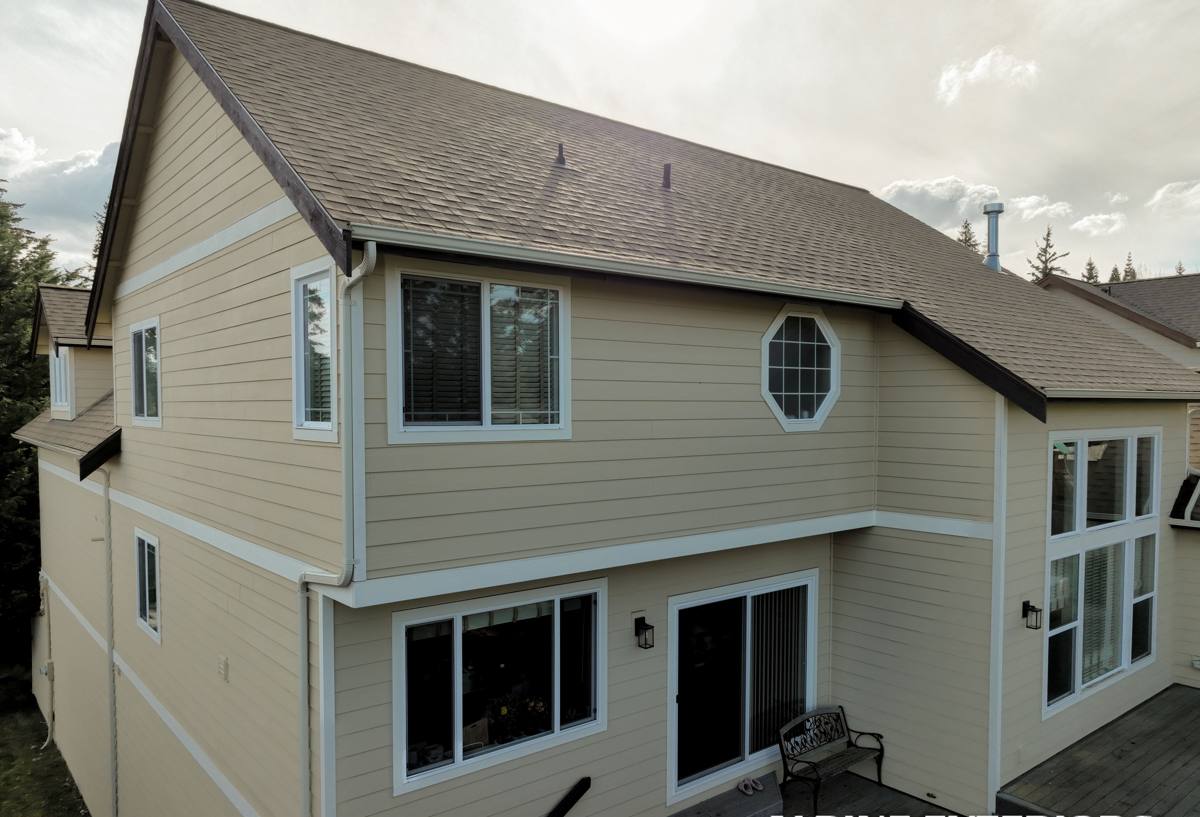
What "Energy-Efficient" Actually Means in This Climate
A lot of homeowners hear "energy-efficient windows" and assume it just means double-pane glass. In Hillsborough County, that's only part of the picture. The bigger factor is how well a window blocks heat gain from the sun, because Florida's cooling load — not heating — is what drives most of the energy bill here.
The Specs That Matter Locally
- Low-E coatings: Reduce solar heat gain without darkening the glass noticeably, which matters when the sun is intense nearly year-round.
- SHGC (Solar Heat Gain Coefficient): Lower numbers mean less heat transferred indoors — this matters more here than in colder states.
- U-Factor: Measures how well the window resists heat transfer overall; lower is better for keeping conditioned air inside.
- Impact-rated glass or approved protection: Relevant for homes exposed to wind-driven debris during storm season.
- Frame material stability: Frames need to resist warping and expansion under constant heat and humidity cycling.
None of these specs matter in isolation. A window with a great U-Factor but a poorly sealed installation will still leak air and let moisture in around the frame. That's why the product and the installation have to be evaluated together, not separately.
What Local Climate Stress Actually Does to Windows
UV Exposure
Year-round sun exposure breaks down seals, cushioning, and certain vinyl or composite frame materials faster than in northern climates. Windows that aren't rated for high UV exposure can discolor, become brittle, or lose their seal integrity years ahead of schedule.
Wind-Driven Rain
Tampa-area storms don't just drop rain straight down — wind pushes it sideways into window frames and seams. If flashing and sealant work isn't done correctly, water finds its way behind the frame and into the wall cavity, where it can sit unnoticed until there's a bigger problem.
Hurricane-Force Wind
Even homes outside the most storm-exposed zones need windows and installation methods that can handle sudden pressure changes and windborne debris. This is a structural consideration, not just a comfort one.
Salt Air
While Riverview is further inland than the immediate coastline, Tampa Bay's salt-laden air still travels and accelerates corrosion on hardware, screws, and certain metal components over time. Choosing corrosion-resistant hardware isn't optional here — it's part of doing the job correctly.
What a Correct Installation Actually Involves
The window unit itself is only part of the job. Most window failures we get called out to inspect trace back to installation shortcuts, not a bad product. A correct job includes:
- Removing the old window and inspecting the rough opening for hidden rot, moisture damage, or framing issues before anything new goes in.
- Correcting any structural or moisture problems found in the opening — not covering them up.
- Installing proper flashing so water is directed out and away from the wall assembly, not behind it.
- Setting the window level, plumb, and square, with manufacturer-specified fasteners and anchoring for wind resistance.
- Sealing with the correct sealant and backer rod — not just a bead of caulk around the trim.
- Insulating the gap between the frame and the rough opening correctly, avoiding both gaps and over-compression.
- Finishing interior and exterior trim so the whole assembly sheds water properly.
Skip any one of these steps and even a top-tier window can underperform or fail early. This is where hiring based on installation experience — not just the window brand — makes the real difference.
Comparing Common Window Options for This Climate
| Frame Material | Heat & UV Performance | Moisture Resistance | Maintenance | Typical Trade-Offs |
|---|---|---|---|---|
| Vinyl | Good with UV-stabilized formulations | Strong — won't rot | Low | Lower-end vinyl can warp under prolonged heat if not properly rated |
| Fiberglass | Excellent — very stable under heat cycling | Strong | Low to moderate | Higher upfront cost than vinyl |
| Aluminum | Conducts heat, needs thermal breaks to perform well here | Good if properly coated | Moderate — watch for corrosion near salt air | Needs a thermal break for real efficiency gains in this climate |
| Wood / Wood-Clad | Fair — needs protective cladding | Weaker without cladding or diligent upkeep | High | Attractive but demands more upkeep in humid, storm-prone areas |
There's no single "best" material for every home — it depends on the home's exposure, budget, and how much upkeep the homeowner wants to take on. We'll walk through the honest trade-offs for your specific house rather than pushing one product line for every job.
Cost Factors Homeowners in Riverview Should Understand
Pricing varies a lot based on the specifics of the job, but a few factors consistently move the number up or down:
| Factor | Why It Affects Cost |
|---|---|
| Impact-rated vs. standard glass | Impact-rated units cost more upfront but reduce or eliminate the need for separate storm protection |
| Number of openings | Whole-house projects typically bring a lower per-window cost than a handful at a time |
| Frame material | Fiberglass and higher-grade vinyl cost more than basic vinyl but last longer in this climate |
| Condition of the rough opening | Hidden rot or moisture damage found during removal adds repair costs, but skipping repairs causes bigger problems later |
| Window size and configuration | Larger units, custom shapes, or specialty operating styles cost more than standard sizes |
We give straightforward, itemized estimates so you know what you're paying for and why — no vague lump-sum numbers that hide where the cost is really going.
Why Local Installation Experience Matters
A crew that regularly works in the Tampa area, including communities like Riverview, has already seen how homes here age and where problems tend to start. That means knowing which frame materials hold up to this specific combination of heat, humidity, storms, and salt air — and which ones look fine on a spec sheet but underperform after a few Florida summers.
It also means understanding Hillsborough County's permitting and inspection requirements for window replacement, so the job is done to code the first time, without delays or rework. A crew unfamiliar with local requirements can end up costing homeowners more time and money than they save by shopping on price alone.
Signs Your Current Windows May Be Costing You More Than You Realize
- Rooms near windows feel noticeably hotter than the rest of the house during the day
- Cooling bills that seem high relative to the size of the home
- Visible condensation or fogging between panes
- Frames that feel soft, look warped, or don't close and lock smoothly
- Noticeable outside noise or drafts even with windows closed
- Peeling paint, staining, or discoloration around window trim, which can point to moisture intrusion
Any one of these on its own might not mean much, but a few together usually point to windows that are past their useful life for this climate.
Our Process for Riverview Window Replacement
We keep the process straightforward and honest from the first visit through final walkthrough:
- An on-site assessment of your current windows, framing condition, and sun/wind exposure specific to your home.
- A clear, itemized estimate that explains material options and why we're recommending them for your situation.
- Scheduling that accounts for weather and avoids rushing installation during storm-prone stretches when possible.
- Careful removal, opening inspection, and correction of any hidden issues before new windows go in.
- Installation following manufacturer specifications and proper flashing and sealing practices for this climate.
- A final walkthrough so you understand the work performed and how to maintain your new windows.
If your Riverview home's windows are underperforming, showing wear, or you're simply planning ahead of the next storm season, we're happy to take a look and give you a straightforward, no-pressure estimate using the form below.