 Tampa Window
 Why Decks in Valrico Wear Out Faster Than Homeowners Expect
Valrico sits inland from Tampa Bay, but that doesn't mean your deck gets a break from the weather. Hillsborough County summers bring months of intense, nearly overhead UV that breaks down wood fibers and fades or chalks lower-grade composite. Afternoon thunderstorms roll through almost daily for half the year, driving rain sideways into ledger boards, railings, and any joint that isn't properly flashed. Add in the humidity that never really leaves, and you've got a climate that's constantly pushing moisture into wood, then baking it out, over and over. That cycle is what actually destroys a deck — not one bad storm, but years of expansion, contraction, and moisture intrusion nobody sees happening until the structure is already compromised.
Hurricane season adds a sharper edge to that slow wear. Tropical systems that track through the Tampa area bring sustained wind loads and gusts that a deck built to minimum spec, or one that's already lost fastener strength to corrosion and rot, isn't built to handle. And even this far from the coastline, storm winds off Tampa Bay can carry enough salt-laden moisture inland to accelerate corrosion on cheap hardware and fasteners over the years. None of this means Valrico decks are doomed — it means they need to be built and replaced with this specific climate in mind, not with generic national lumber-yard specs.
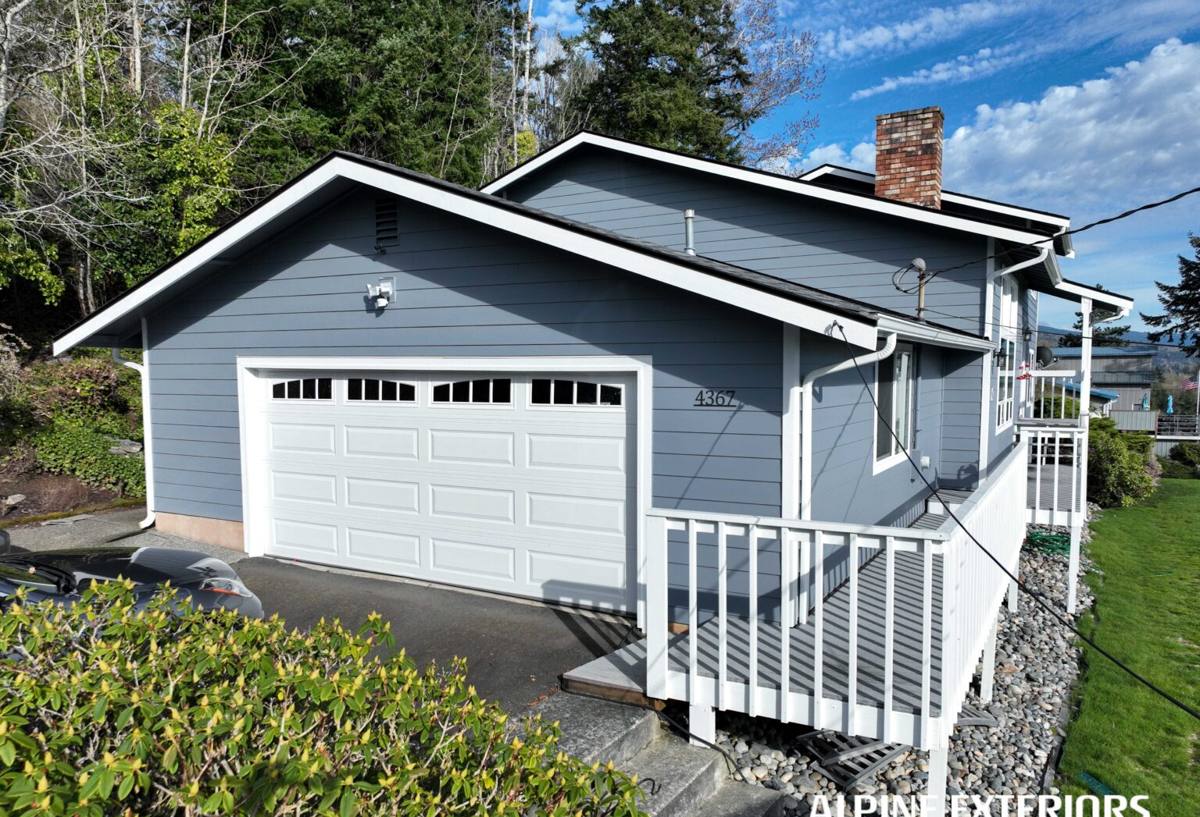
Signs a Deck Needs Full Replacement, Not Another Repair
We get calls from Valrico homeowners who've already sunk money into board replacements, re-staining, or railing patches, only to find the underlying problem was never fixed. Repair makes sense when the damage is cosmetic or isolated. Replacement is the honest recommendation when the problem is structural or systemic. Here's how to tell the difference:
- Soft, spongy, or spring-y decking in multiple areas, not just one board
- Visible rot, splitting, or insect damage at the ledger board where the deck meets the house
- Rusted, corroded, or pulling fasteners — especially older nails instead of structural screws
- Wobble in the railing posts or a deck that sways under normal foot traffic
- Footings that have shifted, heaved, or show visible cracking
- A deck older than 15-20 years that was never re-flashed or had its ledger connection upgraded
- Persistent water pooling or staining underneath the deck long after rain has stopped
If you're only seeing one or two isolated boards showing wear, a repair is often the right, more affordable call. If you're seeing several of the items above at once, that's usually a sign the structure itself — not just the surface — has been compromised by years of Florida moisture cycling.
What a Correct Deck Replacement Actually Involves
A deck is only as good as what's underneath the boards you can see. A rebuild done right in this climate means paying real attention to the parts that fail first:
The Ledger Board Connection
This is where most Florida deck failures start. The ledger attaches the deck to your house, and if it isn't properly flashed to shed water away from the rim joist, moisture works its way behind it for years before anyone notices the rot. We flash this connection correctly and use lag bolts or through-bolts rated for the load, not just nails.
Footings and Posts
Florida's soil and heavy seasonal rain mean footings need to be poured to proper depth and diameter, not just guessed at. Undersized or shallow footings are a common shortcut on older or budget-built decks, and they're a major reason decks shift or fail during storm-level wind loads.
Joist Hardware and Fasteners
Galvanized isn't automatically good enough for pressure-treated lumber in a humid coastal-adjacent climate — the chemicals in modern treated lumber can corrode standard galvanized hardware faster than homeowners expect. We use connectors and fasteners rated for contact with treated lumber so the hardware doesn't become the weak point a few years down the road.
Decking and Railing Material
What goes on top matters, but it's the last decision, not the first — it only performs as well as the frame underneath it.
Choosing the Right Decking Material for Hillsborough County
There's no single "best" decking material — there's the right trade-off for your budget, your sun exposure, and how much maintenance you actually want to keep up with. We lay out the honest pros and cons rather than pushing one product on every job.
| Material | Upfront Cost | Maintenance | How It Handles Florida Sun & Rain |
|---|---|---|---|
| Pressure-treated wood | Lowest | Annual sealing/staining recommended | Good if maintained; UV and moisture cycling will crack and gray it without upkeep |
| Capped composite | Mid-high | Low — occasional washing | Strong UV and moisture resistance; quality varies significantly by brand and cap thickness |
| PVC decking | Highest | Lowest | Excellent moisture resistance since it contains no wood fiber; can run hotter underfoot in direct sun |
| Uncapped/budget composite | Low-mid | Moderate | We generally steer clients away from this tier — without a protective cap, the exposed material absorbs Florida's humidity and UV faster, leading to fading, staining, and swelling sooner than the price suggests |
We don't install every product on the market. When we decline to install a particular budget composite line, it's because we've seen how it performs specifically in this climate over a full Florida wet season — not because the brand is bad everywhere. Our standard is what will actually hold up outside a Valrico house through summer humidity, storm season, and full sun.
Our Deck Replacement Process
- On-site assessment — we inspect the existing structure, ledger connection, footings, and framing to confirm whether replacement, not repair, is the right call
- Design and material walkthrough — we go over decking, railing, and structural options with honest cost and maintenance trade-offs, no pressure toward the most expensive option
- Permitting — we handle the permit application and coordinate required inspections with Hillsborough County
- Demolition — full removal of the old deck, including checking the ledger area and rim joist for hidden rot once boards are off
- Framing and footings — new or reinforced footings, posts, joists, and a properly flashed ledger connection
- Decking and railing installation — installed to code, with fastener spacing and hardware suited to Florida's humidity and treated-lumber chemistry
- Final walkthrough and inspection sign-off — we review the finished deck with you and make sure it passes county inspection before calling the job done
Permits and Codes in Hillsborough County
Deck replacement in Valrico generally requires a building permit through Hillsborough County, since you're altering a structural attachment to your home and often replacing footings. Skipping the permit might save a step up front, but it creates real problems later — unpermitted structural work can complicate a home sale, cause issues with insurance claims after storm damage, and in some cases require the work to be redone to code. We pull the permit, build to the current wind-load and structural requirements for our area, and schedule the required inspections as part of the job rather than treating it as an optional add-on.
What to Expect After Replacement: Keeping It Sound
Even the best-built deck needs some ongoing attention in this climate. A little maintenance goes a long way toward getting the full lifespan out of your investment:
- Rinse off pollen, dirt, and organic debris every few months — buildup traps moisture against the surface
- Check railing posts and stair connections for looseness once or twice a year, especially after a rough storm season
- Keep gutters and downspouts directing water away from the deck footings and the area beneath the structure
- For wood decks, plan on resealing or restaining on the schedule recommended for your product — usually every 1-2 years in this climate
- For composite or PVC, an occasional soap-and-water wash is typically all that's needed
- After any major storm, do a quick visual check of fasteners, railings, and the ledger area before resuming normal use
Why Hiring a Crew That Already Works in Valrico Matters
Deck framing and flashing details that work fine in a dry climate aren't automatically right for Hillsborough County. A crew that's replaced decks throughout the Tampa area knows which ledger flashing details actually hold up through a wet season, which fastener grades hold up against treated-lumber corrosion, and what the county inspectors are actually looking for at each stage. That local track record also means straight talk about which materials are worth the extra cost here and which ones just look good on a showroom sample. We're not driving in from out of the area to bid a job and disappear — we're building something that has to hold up through the same storms and summers we deal with ourselves.
What Affects the Cost of a Deck Replacement
Every Valrico property and every deck design is different, so we don't quote a number until we've seen the site, but a few factors consistently drive cost up or down:
| Factor | Effect on Cost |
|---|---|
| Deck size and shape (multi-level, angles, built-in seating) | Larger and more complex layouts increase both material and labor |
| Decking material chosen | Pressure-treated wood is the most affordable; PVC and premium composite cost more upfront but less over time in upkeep |
| Condition of existing footings/framing | Reinforcing or repouring footings adds cost but is not optional if they're undersized |
| Railing style and material | Cable, glass, or composite railing systems cost more than standard wood balusters |
| Height above grade | Taller decks require more substantial structural support and stair work |
| Permit and inspection requirements | Built into the project cost, but scope can shift the permit fee |
We'd rather walk you through these trade-offs honestly during an estimate than throw out a broad price range that doesn't mean much until we've actually seen your deck.
If your deck in Valrico is showing its age or you're just ready to stop patching a structure that's past fixing, we're happy to come take a look. The estimate is free, there's no pressure to commit on the spot, and you'll get a straight answer about whether repair or full replacement is the right call for your home.