 Tampa Window
 Deck Building in Ybor City: What the Climate Actually Demands
Ybor City sits close enough to Tampa Bay that salt-laden air, intense UV exposure, and wind-driven rain are part of daily life for any outdoor structure. A deck built here works harder than a deck built inland. The sun bakes exposed wood and composite surfaces nearly every day of the year, afternoon thunderstorms dump heavy rain fast, and during hurricane season the whole structure needs to shrug off sustained wind loads and flying debris. None of that means a deck can't last decades in this neighborhood — it means the materials, fasteners, and framing details have to be chosen for this specific environment, not a generic build sheet.
We build decks for homes throughout Hillsborough County, and the jobs we do in and around Ybor City get the same attention to climate-specific detailing as anywhere else on our route. That means thinking through drainage, fastener corrosion resistance, and structural connections before the first post goes in the ground, not after something starts to fail.
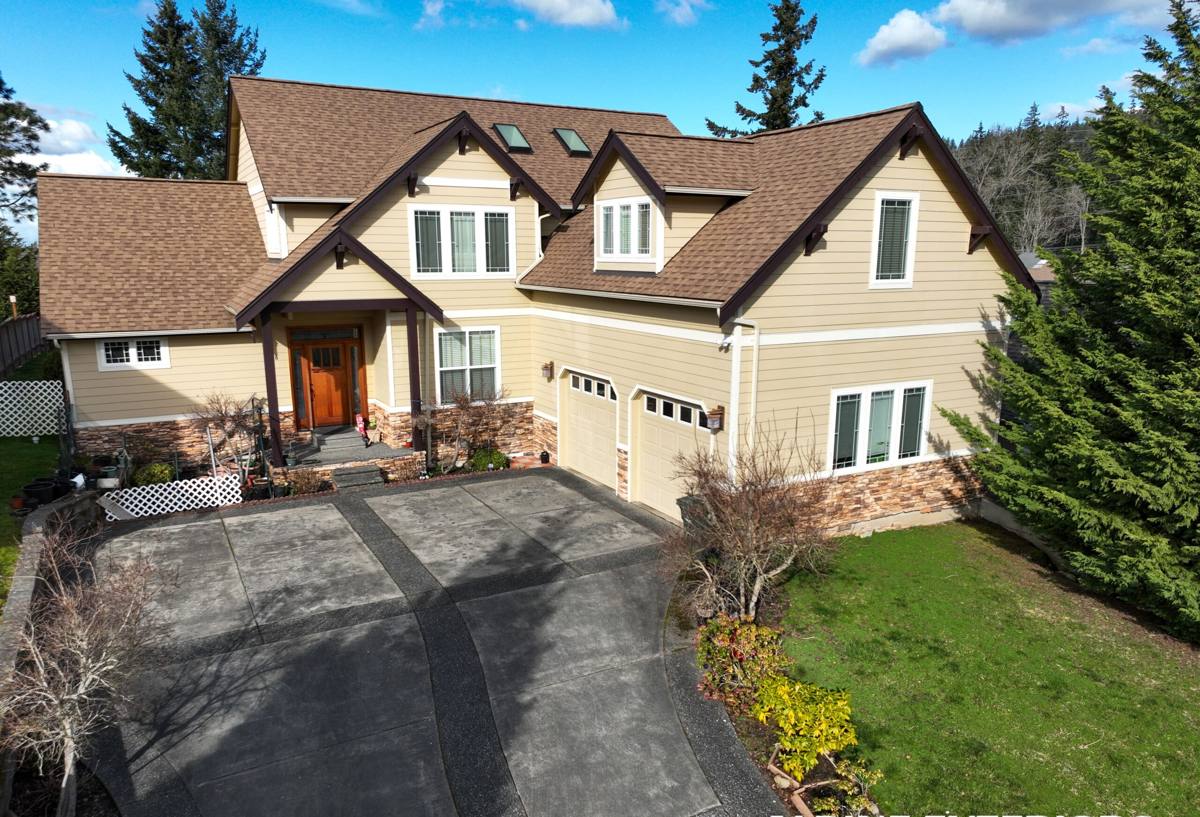
Why Ybor City's Setting Changes the Build
Salt Air and Corrosion
Even a few miles from open water, airborne salt accelerates corrosion on anything metal. Standard construction screws and joist hangers that might be fine in a drier, inland climate can start rusting and staining a deck within a couple of years here. We spec hardware rated for coastal exposure — hot-dip galvanized or stainless steel connectors and fasteners — because a deck's structural hardware failing quietly underneath the boards is far more dangerous than a little surface weathering on the decking itself.
UV Exposure Year-Round
Tampa doesn't get much of a winter break from the sun. UV breaks down wood fibers, dries out natural oils, and fades color on both wood and composite products faster than in most of the country. This affects how often a wood deck needs to be resealed and which composite products are worth the extra cost versus ones that chalk and fade within a few seasons.
Wind-Driven Rain and Drainage
Afternoon storms in this part of Florida don't fall straight down — wind pushes rain sideways and up under structures. A deck that isn't detailed for that will trap moisture against ledger boards, joists, and post bases, which is where rot and hidden structural damage actually start. Proper flashing, gapping, and drainage planning matter more here than in drier climates.
Hurricane-Force Wind Loads
Hillsborough County's building codes reflect the real risk of tropical storms and hurricanes making landfall in the area. A deck attached to a house has to resist uplift and lateral loads, and freestanding structures need footings and post connections sized for wind, not just the static weight of furniture and people standing on it.
What a Correctly Built Deck Looks Like Here
A deck that's going to hold up in Ybor City's climate starts below grade and works its way up. Here's what we focus on, in order:
- Footings sized for wind uplift, not just vertical load, with depth and diameter matched to local soil conditions
- Ledger board attachment that's properly flashed and bolted to the house structure, not just nailed to siding
- Corrosion-resistant structural hardware throughout — joist hangers, post bases, and fasteners rated for coastal/high-moisture exposure
- Joist spacing and beam sizing that meets or exceeds current Hillsborough County code for the span and load
- Proper gapping between deck boards to let water drain through instead of pooling on the surface
- Railing and guard systems secured to resist lateral loads, not just decorative attachment
- Grading and drainage beneath the deck so water moves away from the house foundation instead of collecting underneath
Skipping any one of these doesn't usually show up as a problem in year one. It shows up in year three or four as a soft spot near the ledger, rust streaks bleeding through the decking, or a railing that's gone wobbly. Building it right the first time costs less than fixing it after the fact.
Choosing Materials for Ybor City Conditions
There's no single "best" decking material — there's a best material for a given budget, maintenance appetite, and how the deck will actually be used. Here's how the common options compare under this area's sun, humidity, and salt exposure:
| Material | UV/Sun Performance | Moisture & Salt Air | Maintenance | Typical Lifespan Here |
|---|---|---|---|---|
| Pressure-treated pine | Fades and grays without regular sealing | Resists rot when properly sealed; needs vigilance at ground contact | Reseal every 1-2 years | 10-15 years with upkeep |
| Composite decking | Better fade resistance; quality varies by product line | Doesn't rot; some early products chalked under heavy UV | Occasional cleaning, no sealing | 20-30 years |
| Tropical hardwoods (e.g., ipe) | Naturally dense, holds up well | Excellent natural rot resistance | Periodic oiling to maintain color | 25+ years |
| PVC/capped polymer | Strong UV resistance, minimal fading | Fully moisture-proof | Lowest maintenance of the group | 25-30+ years |
For structural framing, we generally steer away from bare untreated lumber for anything below the decking surface. We also favor stainless or coated structural connectors over standard zinc-plated hardware once a deck is within a few miles of the bay — the cost difference is small relative to the deck's total price, and it's the single biggest factor in how long the frame lasts before hidden corrosion becomes a real issue.
Our Process, Start to Finish
1. On-Site Assessment
We look at your home's structure, the ledger attachment point, drainage patterns in the yard, sun and wind exposure, and how you actually plan to use the space — dining, grilling, lounging, hosting. That shapes size, layout, and material recommendations.
2. Design and Material Selection
We walk through material options honestly, including trade-offs — what costs more up front versus what costs more in upkeep over ten years. No pressure toward the most expensive option if it doesn't fit how you'll use the deck.
3. Permitting
Hillsborough County requires permits for most deck construction, and for good reason — the inspection process catches structural issues before they're buried under decking boards. We handle the permit application and coordinate inspections as part of the job.
4. Site Prep and Footings
Layout, footing excavation, and concrete work come first. This is the stage where getting depth and placement right matters most, since it's the hardest part to fix later.
5. Framing
Ledger attachment, posts, beams, and joists go in with corrosion-resistant hardware throughout. This is also when we build in the drainage and flashing details that keep water from being trapped against the house.
6. Decking, Railing, and Finish Work
Surface boards, railings, stairs, and any built-in features like bench seating or lighting go in last, followed by a final walkthrough with you before we call the job done.
7. Final Inspection
The county's final inspection closes out the permit. We don't consider the job finished until that's passed.
Deck Building vs. Deck Repair: Knowing Which You Need
Not every deck problem calls for a full rebuild, but it's worth knowing when repair stops making sense. If the framing and footings are sound and the issues are cosmetic or limited to the surface boards, a repair or resurfacing can extend a deck's life for a reasonable cost. If the ledger connection is compromised, posts are rotted at the base, or the structure was undersized for current code, rebuilding is usually the more honest recommendation — patching a structural problem just delays a bigger repair bill later.
A quick self-check before you call anyone:
- Does the deck feel bouncy or springy when you walk across it?
- Are there soft spots, especially near the house or around post bases?
- Is there visible rust staining bleeding through from hardware underneath?
- Do railings wiggle or flex when you lean on them?
- Is there gapping or separation where the deck meets the house?
Any "yes" answer is worth a professional look before the next storm season, not after.
Why Hire a Crew That Already Works in Ybor City
A crew that regularly works this part of Hillsborough County already knows the local permitting process, has a working relationship with the county's inspectors, and has seen firsthand how decks in this specific setting age over time — which hardware holds up, which sealants actually last through a Tampa summer, and where drainage tends to go wrong on older homes in the area. That local track record shows up in fewer surprises during the build and fewer callbacks after storm season.
It also matters for scheduling. Deck building in this climate has a rhythm — footing work is easier to schedule around the drier stretches of the year, and a crew that knows the local weather patterns plans around them instead of getting caught mid-pour in a downpour.
Maintaining Your Deck After It's Built
Whatever material you choose, a little seasonal attention goes a long way in this climate:
- Clear leaves and debris from between boards regularly to prevent moisture from sitting trapped against the surface
- Check railing and stair connections at least once a year for looseness
- Reseal wood decking on the schedule appropriate to the product — don't wait until it's visibly gray and dry
- Inspect the underside periodically for rust staining or soft framing after major storms
- Keep gutters and downspouts near the deck clear so runoff isn't dumping extra water onto or under the structure
If you're planning a new deck or replacing one that's showing its age, we're happy to walk your property, talk through what fits your home and budget, and give you a straight answer on what it'll take. Reach out for a free, no-pressure estimate using the form below.