 Tampa Window
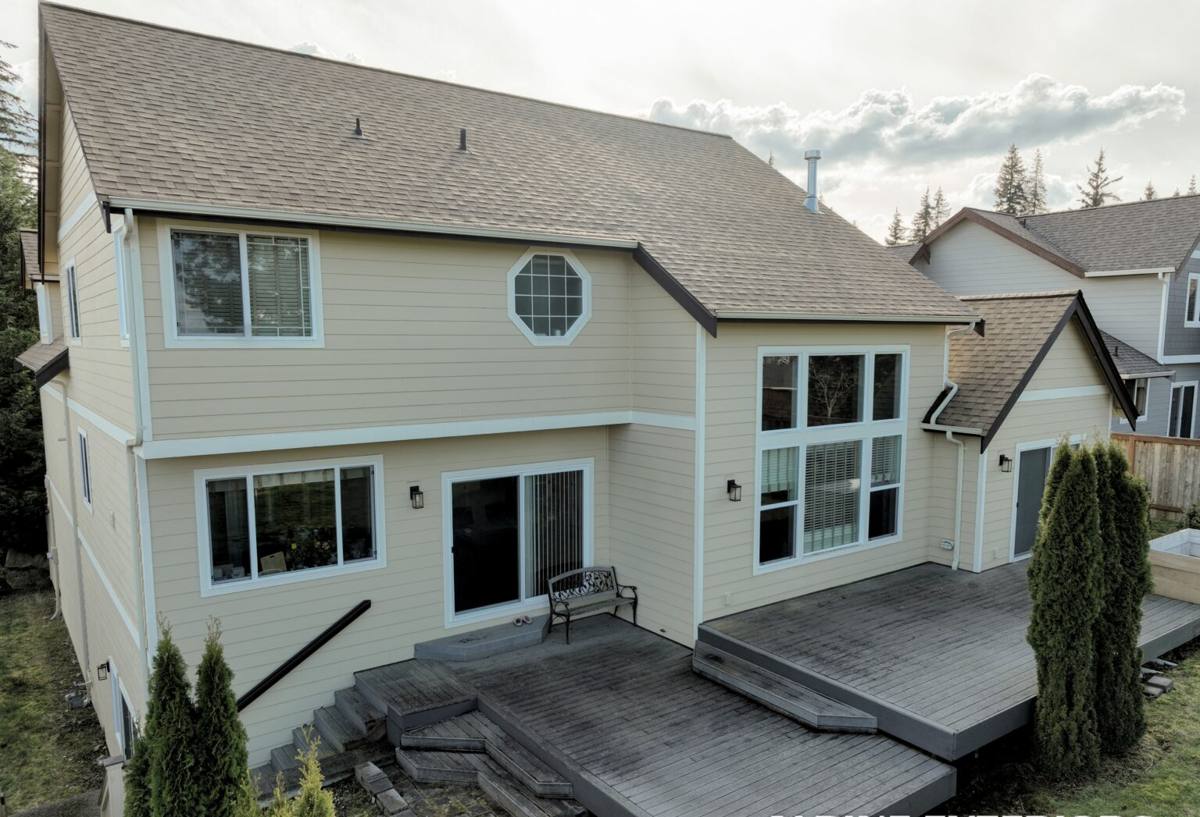
 Deck Building in Riverview, Florida
Riverview homeowners ask for outdoor living space more than almost anything else we build. A deck stretches your living area outside, gives you somewhere to grill, relax, or watch the kids in the yard, and adds real value to the home. But a deck built in Hillsborough County has to survive a very different environment than one built in a drier, cooler climate. Between the summer heat, the humidity, the wind-driven rain, and the occasional tropical storm or hurricane threat, a deck here needs to be engineered and built with the local conditions in mind from the very first post hole.
This page covers what a properly built deck looks like in Riverview specifically — the materials, the structural details, and the process — so you know what to expect and what questions to ask before hiring anyone.
Why Riverview's Climate Changes the Job
Riverview sits inland from Tampa Bay but still gets the full brunt of a Gulf Coast climate: long, humid summers, intense UV exposure nearly year-round, sudden afternoon downpours, and the real possibility of hurricane-force winds during storm season. None of that is unique to Riverview alone, but it does mean a deck built here has to handle a few specific stresses that a deck in a milder climate never faces.
Heat and UV
Florida sun is hard on every exterior material, but decking takes it worse than most because it's horizontal — it faces the sun directly all day instead of at an angle like siding or roofing. Untreated or poorly finished wood grays, cracks, and splinters faster here than almost anywhere else in the country. Composite decking without adequate UV stabilizers can fade unevenly or become brittle over time.
Humidity and Moisture Cycling
Wood decking in Hillsborough County goes through constant wet-dry cycling — humid mornings, afternoon thunderstorms, then blazing sun to dry it back out. That cycling is what causes warping, cupping, and fastener pop if the wood isn't properly dried, sealed, and fastened. It's also what drives rot at ground contact points and post bases if drainage isn't handled correctly.
Wind-Driven Rain and Storm Loads
A deck isn't just a platform — it's a structure that has to resist uplift and lateral load in high wind. Wind-driven rain also finds its way into any gap in flashing, ledger connections, or post bases, and inland communities like Riverview aren't exempt from storm-force wind events during hurricane season.
Salt Air
Riverview is far enough inland that salt exposure is lighter than on the immediate coast, but Tampa Bay's proximity still puts trace salt in the air on windier days. Over years, that accelerates corrosion on cheap fasteners and hardware — a detail many DIY decks and budget contractors overlook entirely.
What a Correctly Built Deck Requires Here
A deck that's going to hold up in this climate isn't just about picking a nice-looking board. The things that actually determine whether a deck lasts 10 years or 25 happen below the surface.
Footings and Post Bases
Concrete footings need to be sized and set to Florida Building Code depth and bearing requirements, and post bases should hold the post above grade and off standing water — never buried directly in concrete, which traps moisture against the wood and accelerates rot from the inside out.
Structural Fasteners and Connectors
This is where corners get cut the most. In a humid, occasionally salty environment, fasteners, joist hangers, and structural screws need corrosion-resistant coatings rated for the exposure — not bargain-bin hardware that starts rusting within a couple of storm seasons and quietly weakens the structure from the inside.
Ledger Attachment and Flashing
Where a deck attaches to the house is the single most common failure point in deck construction nationally, and it's worse in a wet climate. Proper flashing keeps wind-driven rain from getting behind the ledger board and into the house's wall assembly — a detail that's invisible once the deck is finished but critical to get right the first time.
Decking Material Choice
There's no single "best" decking material — there's a best material for your budget, your maintenance tolerance, and how you use the space. We walk every homeowner through the honest trade-offs rather than pushing one product.
| Material | Upfront Cost | Maintenance | How It Handles Florida Heat & Humidity |
|---|---|---|---|
| Pressure-treated pine | Lowest | Needs re-sealing every 1-2 years | Prone to graying, splitting, and warping without upkeep; budget-friendly if maintained |
| Composite decking | Moderate to higher | Low — periodic cleaning | Resists rot and splintering well; quality matters for UV fade resistance |
| Tropical hardwoods | Higher | Regular oiling to maintain color | Naturally dense and rot-resistant, but needs upkeep to prevent graying |
| PVC/cellular decking | Higher | Very low | Excellent moisture resistance; performs well in humid, wet climates |
Our Deck Building Process
Every deck we build in Riverview goes through the same disciplined process, whether it's a small platform off a back door or a large multi-level outdoor living space.
1. On-Site Assessment and Design
We look at your yard's drainage, sun exposure, existing structure, and how you actually plan to use the space — dining, lounging, grilling, a hot tub — before recommending a layout or material.
2. Permitting and Engineering
Hillsborough County requires permits for most deck construction, and larger or elevated decks may need engineered plans. We handle the permitting process so the structure is inspected and code-compliant, not something that creates problems at resale.
3. Site Prep and Footings
Footings are dug to proper depth and set with attention to how water moves through your specific yard — a detail that matters more in Florida's flat, poorly-draining soils than in most parts of the country.
4. Framing
We build the substructure with corrosion-resistant hardware and correct joist spacing for your decking material and expected load, including furniture, foot traffic, and any built-in features like a pergola or built-in seating.
5. Decking, Railing, and Finishing
Boards are installed with proper spacing for drainage and expansion, railings are set to code height and spacing, and any wood surfaces are sealed before they see their first Florida summer.
6. Final Walkthrough
We walk the finished deck with you, cover basic maintenance for whatever material you chose, and make sure you know what to watch for as the seasons change.
Deck Maintenance Checklist for Riverview Homeowners
- Inspect fasteners and hardware for rust or loosening at least once a year, especially after storm season
- Reseal or re-stain wood decking every 1-2 years depending on sun exposure
- Clean composite or PVC decking periodically to prevent mildew buildup in shaded areas
- Check that gaps between boards remain clear of debris so water drains properly
- Look underneath the deck occasionally for signs of moisture pooling or post-base rot
- Confirm railings and stairs are still solid — humidity and wood movement can loosen connections over time
- After any major storm, check the ledger board area and post bases for new gaps or water intrusion
Why It Matters to Hire a Crew That Already Works in Riverview
A contractor who works regularly in Riverview and the surrounding Tampa area already knows the local permitting process, understands how Hillsborough County soil and drainage behave, and has seen firsthand what happens to decks that were built for a different climate. That local experience shows up in small decisions — footing depth, hardware selection, ledger flashing — that aren't visible on a proposal but make the difference between a deck that needs major repair in five years and one that's still solid in twenty.
It also matters for accountability. A local crew with an established presence in the Tampa Bay area isn't going anywhere after the project is finished — if a question comes up about maintenance or a warranty item, you're calling a business that's still down the road, not chasing someone who worked here for one season and moved on.
Common Mistakes We See in This Climate
A lot of deck problems we get called out to inspect trace back to a handful of recurring issues, most of them avoidable with the right upfront decisions.
- Posts set directly in concrete instead of on above-grade post bases, trapping moisture against the wood
- Standard fasteners used instead of corrosion-resistant hardware, leading to early rust and weakened connections
- Ledger boards attached without proper flashing, allowing water intrusion into the house structure over time
- Decking installed with boards too tight together, preventing proper drainage and airflow
- Skipping the permit process on structural decks, which can complicate a future home sale
Getting Started
Every yard, budget, and use case is a little different, and the right deck design and material for a young family entertaining on weekends isn't the same as what makes sense for a quiet reading nook. If you're considering a new deck or need an honest opinion on an existing one, we're happy to take a look and walk you through your options. Fill out the form below for a free, no-pressure estimate.