 Tampa Window
 Roofing on Davis Islands Faces a Tougher Climate Than Most of Tampa
Davis Islands sits closer to open water than most Tampa neighborhoods, and that changes what a roof has to survive year over year. Hillsborough County as a whole deals with hurricane-force wind events, intense year-round UV exposure, and wind-driven rain, but homes on the islands catch the added stress of salt air moving in off the bay. That combination wears on fasteners, flashing, and roofing metal faster than it does a few miles inland, and it means a roof repair here has to account for corrosion and wind uplift, not just a worn shingle or two.
Because of that, we treat Davis Islands as its own environment rather than applying the same generic repair to every roof in the county. A patch that would hold up fine in a landlocked neighborhood can fail early here if the materials, fasteners, or sealants aren't chosen with salt exposure and coastal wind loading in mind.
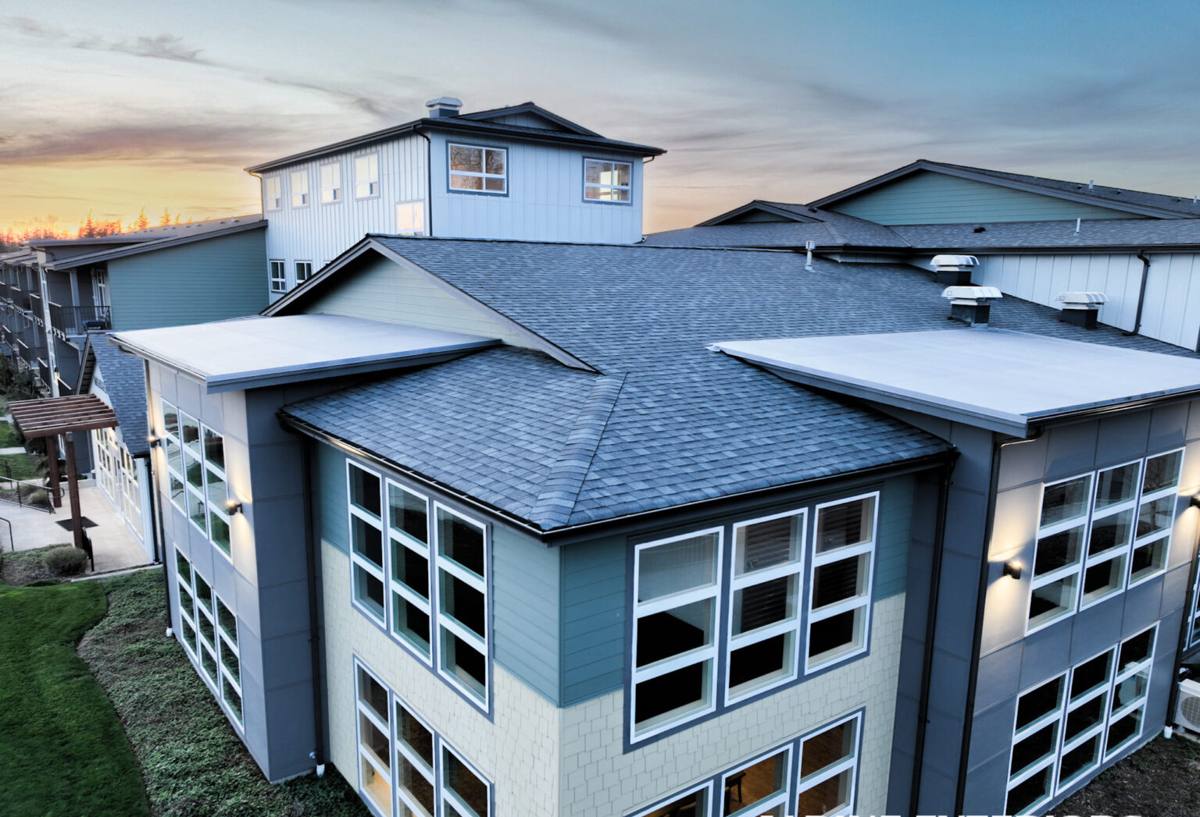
The Roof Problems We See Most Often on Davis Islands Homes
Wind and Uplift Damage
Sustained coastal wind and gusting during storm season lift shingle edges, loosen ridge caps, and work flashing loose at valleys and penetrations. Once a shingle edge or piece of flashing lifts even slightly, wind-driven rain finds its way underneath, and the damage compounds every time it storms.
UV Breakdown
Florida sun is hard on any roofing material, but the intensity and duration of UV exposure here accelerates the drying and cracking of asphalt shingles, the fading and brittleness of sealants, and the degradation of underlayment where it's exposed at edges and penetrations.
Salt Air Corrosion
Metal components — nail heads, flashing, vent stacks, drip edge, and any exposed fasteners — corrode faster near the water. Corroded fasteners back out or lose their grip, and corroded flashing develops pinholes that let water in long before it's visible from the ground.
Wind-Driven Rain Intrusion
Rain that comes in sideways during a storm doesn't behave like normal rainfall. It gets pushed up and under laps, into vents, and around chimneys or skylights that would otherwise shed water fine. Leaks that only show up during or right after a storm are almost always a wind-driven rain issue, not a simple worn-out roof.
What an Actual Repair Should Involve
A roof repair that's done right starts with figuring out why the damage happened, not just covering the visible symptom. Sealing over a leak without finding its source is one of the most common ways a "repair" ends up needing to be redone within a year.
- Tracing the leak or damage back to its actual entry point, which is often several feet from where the stain or drip shows up inside
- Matching replacement shingles, tiles, or metal panels to the existing roof as closely as possible so the repair doesn't stand out or create a mismatched wear pattern
- Replacing damaged underlayment, not just the surface material, since underlayment is the roof's actual water barrier
- Rebuilding flashing details at valleys, walls, chimneys, and penetrations with new material and proper laps, rather than just re-caulking old flashing
- Checking and re-securing fasteners in the surrounding area, since corrosion and wind fatigue rarely affect just one spot
- Confirming the repair ties into the existing roof's drainage path correctly, so water is shed the way the roof was originally designed to shed it
Skipping any of these steps is how a repair turns into a callback. Flashing work in particular is where most repeat leaks come from — it's easy to see and hard to do well, and it's the piece most often shortcut.
Signs a Davis Islands Roof Needs Repair Now
Some damage is obvious from the ground. Other damage isn't visible until it's already caused interior problems. Here's what we tell homeowners to watch for between inspections:
- Shingles that are curling, cupping, or missing granules in patches
- Lifted or missing ridge cap pieces after a windy stretch
- Streaking, rust-colored stains, or soft spots around flashing at chimneys, skylights, or roof-to-wall junctions
- Ceiling stains that appear or spread specifically after wind-driven rain, not just any rainfall
- Visible corrosion or rust bleed on metal flashing, vents, or exposed fasteners
- Granules collecting in gutters, which signals accelerated UV and weather wear on asphalt shingles
- Soft or spongy decking felt when walking the roof, which points to underlayment failure beneath the surface
Repair or Replace? How We Help You Decide
Not every damaged roof needs a full replacement, and not every repair is worth doing if the roof is close to the end of its life. We walk through this honestly with every homeowner, because a repair on a roof that's already failing elsewhere is money spent twice.
| Factor | Favors Repair | Favors Replacement |
|---|---|---|
| Age of roof | Roof is under roughly 12-15 years old | Roof is near or past its expected service life |
| Extent of damage | Damage is localized to one area or system (flashing, one section) | Damage is spread across multiple sections or slopes |
| Underlayment condition | Underlayment elsewhere is intact and dry | Underlayment shows widespread moisture or breakdown |
| Prior repair history | This is the first or second repair in several years | Repeated repairs to the same or nearby areas over recent years |
| Insurance/storm claim | Damage is isolated and clearly storm-specific | Adjuster or inspection documents widespread wind or water damage |
When a roof is genuinely a repair candidate, we say so and scope the work accordingly. When the honest answer is that a repair would just be a short-term fix on a roof that's already failing broadly, we'll tell you that too, along with why.
Our Process, From First Call to Finished Repair
- Inspection. We get on the roof (or use appropriate access for steep or tile roofs) and inspect the damaged area along with the rest of the roof, since storm and wind damage rarely stays confined to one spot.
- Diagnosis and scope. We identify the actual cause of the leak or damage and explain what needs to happen to fix it correctly, including anything we find that isn't part of the original complaint.
- Written estimate. You get a clear scope of work and price before anything starts, with the reasoning behind it explained in plain terms.
- Material matching. We source shingles, tile, or metal that match your existing roof as closely as possible, and we're upfront if an exact match isn't available due to discontinued products or sun-fading on the existing roof.
- The repair itself. Old damaged material and underlayment come out, new material and flashing go in, and fasteners are set to hold against coastal wind loads.
- Cleanup and walkthrough. We clear debris and nails from the property and walk the completed work with you before we consider the job done.
Roofing Materials and How Repair Needs Differ Between Them
Davis Islands has a mix of roof types, and each one has different failure points and repair considerations, especially with salt air and UV in play.
| Roof Type | Common Repair Needs | Coastal Consideration |
|---|---|---|
| Asphalt shingle | Wind-lifted or missing shingles, granule loss, flashing leaks | UV accelerates aging; fasteners and flashing need corrosion-resistant hardware |
| Concrete or clay tile | Cracked or slipped tiles, underlayment failure beneath intact-looking tile | Tile itself holds up well to salt air, but underlayment and battens beneath it are the real wear point |
| Metal roofing | Fastener backout, seam and panel-edge sealant failure, minor panel damage | Coastal-grade coatings and stainless or coated fasteners matter more here than almost anywhere else in the county |
| Flat or low-slope sections | Membrane seams, ponding-related wear, flashing at transitions | UV and standing water combine to shorten membrane life if drainage isn't addressed |
We choose repair materials and fastener types based on what's actually going on the roof, not a one-size-fits-all approach, since a fastener or sealant that's fine inland can underperform quickly in a salt-air environment.
Why Working With a Crew That Already Knows Davis Islands Matters
A roof repair on Davis Islands isn't just a technical job — it comes with local logistics that affect timeline and quality if they're not handled properly. Access on the islands can be tighter than on the mainland, and older homes here sometimes have roof framing or decking that needs a more careful approach than a standard subdivision reroof. Knowing what Hillsborough County permitting and inspection typically require for roof repair work, and understanding what documentation insurance carriers expect after wind or storm damage, saves homeowners time and avoids the back-and-forth that comes from a crew learning those requirements on the fly.
There's also a practical wind-mitigation angle: roofs here are more exposed to sustained coastal wind than most of the county, so repairs need to genuinely hold under that load, not just look finished. A crew that works this area regularly has already seen how salt air and wind treat different repair approaches over time, and builds that experience into how they flash, fasten, and seal.
After the Repair: Keeping It Holding Up
A well-done repair still benefits from basic upkeep, especially in a coastal environment. A little attention between storms goes a long way toward getting full life out of the work.
- Have the roof visually checked after any major wind event, even if nothing looks obviously wrong from the ground
- Keep gutters and downspouts clear so water isn't backing up under the roof edge
- Trim back overhanging branches that can abrade shingles or tile during wind
- Watch for rust bleed or streaking near flashing and vents as an early corrosion signal
- Schedule a roof inspection roughly once a year, and always after a named storm passes through the area
If you're seeing signs of wind, sun, or salt damage on a Davis Islands roof, or you just want an honest read on whether a repair or something more is the right call, we're happy to take a look. Fill out the form below for a free, no-pressure estimate.