 Tampa Window
 Why Davis Islands Roofs Wear Out Faster Than Inland Homes
Davis Islands sits surrounded by water just south of downtown Tampa, and that location cuts both ways. The views and the breeze are part of what makes the neighborhood desirable, but that same exposure is hard on a roof. Homes here take on salt-laden air from Tampa Bay on a near-constant basis, which accelerates corrosion on fasteners, flashing, vent stacks, and any exposed metal. Add in Hillsborough County's intense year-round UV load, which breaks down asphalt shingle granules and dries out underlayment over time, and you have a roofing environment that ages materials faster than you'd see in most of the country.
Then there's wind. Davis Islands is not exempt from the wind-driven rain and hurricane-force gusts that come through the Tampa Bay area during storm season. A roof that isn't properly fastened, flashed, and sealed at every penetration doesn't just risk shingle loss — it risks water intrusion that can travel far from the original entry point and cause hidden damage to decking, insulation, and interior ceilings before anyone notices a leak.
None of this means a roof on Davis Islands is doomed to fail early. It means the installation has to be done correctly the first time, with materials and methods matched to this specific exposure. That's the difference between a roof that needs attention every couple of years and one that quietly does its job for two or three decades.
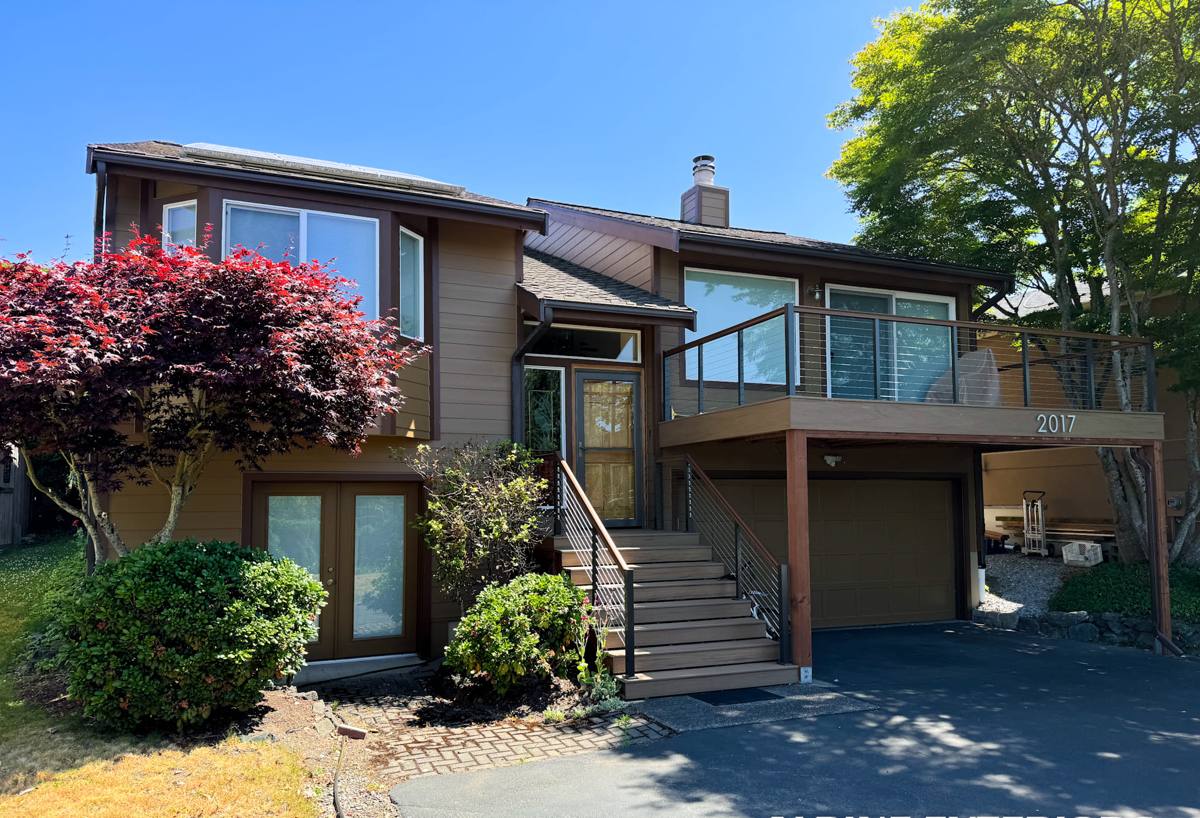
What "Correct" Actually Means for a New Roof Installation
A new roof is more than shingles nailed to plywood. Every layer underneath the visible surface does real work, and skipping or rushing any of them is where most premature roof failures start.
The Tear-Off and Deck Inspection
We remove the old roofing material down to the deck rather than layering over it. This isn't just a code requirement in most cases — it's the only way to actually see what's underneath. Coastal humidity and past leaks can rot or delaminate plywood decking in ways that aren't visible from the attic side. Any soft, water-damaged, or delaminated sheathing gets replaced before anything new goes down. Installing new shingles over a compromised deck is one of the most common shortcuts in the industry, and it's one we don't take.
Underlayment and Water Barrier
In a wind-driven rain environment like Tampa Bay, the underlayment matters almost as much as the shingles themselves. We use a synthetic or self-adhering underlayment system appropriate to the roof pitch and material, with special attention to valleys, eaves, and any low-slope sections where water tends to pool or back up under wind pressure.
Flashing at Every Penetration
Chimneys, skylights, vent pipes, and wall intersections are where roofs actually fail — not usually in the open field of shingles. Proper step flashing, counter-flashing, and pipe boots, all sealed correctly, are what keep water out at these transition points for the life of the roof.
Ventilation
A hot, poorly ventilated attic in the Florida sun shortens shingle life from underneath, cooking the underlayment and driving up cooling costs. We check intake and exhaust ventilation as part of every new roof and correct imbalances rather than just replacing what was there before, even if that means adding or relocating vents.
Fastening and Wind Rating
Nail pattern, nail type, and fastener count all have to match the wind speed rating required for the area and the manufacturer's specification for the product installed. This is one of the most commonly shortcut steps in the trade because it doesn't show on the surface — but it's exactly what determines whether a roof holds together in a serious wind event.
Roofing Material Options for a Waterfront Tampa Neighborhood
There's no single "best" roofing material for every home. The right choice depends on your home's architecture, your budget, and how much maintenance you want to take on. Here's an honest comparison of the main options homeowners on Davis Islands consider.
| Material | Wind & Storm Performance | Salt Air / UV Durability | Maintenance | Typical Lifespan |
|---|---|---|---|---|
| Architectural asphalt shingle | Good, when rated and installed for local code | Moderate — granule loss over time from UV | Low to moderate | 20-30 years |
| Standing seam metal | Excellent wind uplift resistance | Very good with proper coating; check fastener corrosion | Low | 40-50+ years |
| Concrete or clay tile | Very good when properly fastened | Excellent — inert to salt and UV | Moderate — underlayment beneath tile needs periodic attention | 40-50 years (tile), underlayment renewed sooner |
| 3-tab asphalt shingle | Fair — lower wind rating than architectural shingle | Lower — thinner profile weathers faster | Low to moderate | 15-20 years |
We steer most Davis Islands homeowners away from basic 3-tab shingles given the wind and UV exposure here — not because the product is defective, but because its thinner profile and lower wind rating simply don't hold up as well against this specific climate compared to architectural shingle, metal, or tile. It's a matter of matching the product to the environment, not a knock on any manufacturer.
A Note on Metal Roof Fasteners Near the Water
Standing seam metal is one of the best-performing options for wind resistance, but the fastener and flashing hardware matters even more near saltwater than the panel material itself. We spec corrosion-resistant fasteners and compatible flashing metals to avoid galvanic corrosion — a maintenance issue that shows up years down the road if the wrong hardware gets paired with the panel.
Florida Building Code, Permits, and Wind Mitigation
Every new roof installation in Hillsborough County requires a permit and inspection through the local building department, and the work has to meet current Florida Building Code wind resistance requirements for the zone. This isn't paperwork for its own sake — it's what determines fastening schedule, underlayment type, and how the roof is tied into the structure at the perimeter.
We also complete the wind mitigation inspection paperwork after installation. A properly documented new roof, especially with hip framing, sealed roof decking, and modern fastening, can qualify your home for meaningful homeowners insurance discounts. Many Davis Islands homeowners don't realize how much this form affects their premium until they see the difference after a code-compliant reroof.
Our Installation Process, Step by Step
- On-site inspection and estimate — we walk the roof, check the attic, and document existing conditions before quoting anything.
- Material selection — we go over the tradeoffs in the table above based on your home's style, budget, and how long you plan to stay in the house.
- Permitting — we pull the required Hillsborough County permit and schedule inspections.
- Protection of property — landscaping, pool areas, and driveways are covered or protected before tear-off begins.
- Tear-off and deck inspection — full removal of old material, with any damaged decking replaced.
- Underlayment and flashing installation — the waterproofing layer goes down correctly before any finish material.
- Roofing material installation — installed to manufacturer and code fastening specifications.
- Cleanup and magnetic sweep — full site cleanup, including a nail sweep of the yard and driveway.
- Final inspection and wind mitigation documentation — county sign-off and paperwork for your insurance carrier.
Signs a Davis Islands Roof May Need Replacement, Not Repair
- Shingles that are curling, cupping, or missing granules over large areas
- Multiple past repairs in different areas rather than one isolated problem spot
- Visible sagging anywhere along the roofline
- Daylight visible through the roof deck from inside the attic
- Rusted or deteriorating flashing around chimneys, vents, or skylights
- A roof approaching or past 20 years old, especially if it's never been replaced
- Granules collecting in gutters after normal rain, not just after a storm
- Interior ceiling stains that reappear after repairs
One or two of these on their own might point to a targeted repair. Several at once, especially on an older roof, usually means replacement is the more cost-effective path — patching a roof that's near the end of its service life tends to cost more over a few years than doing the job once, correctly.
What Drives the Cost of a New Roof Here
| Factor | Why It Matters on Davis Islands |
|---|---|
| Roof material choice | Architectural shingle, metal, and tile carry different material and labor costs and different long-term value |
| Roof complexity | Hips, valleys, dormers, and multiple roof planes common on older Davis Islands homes add labor time |
| Deck condition | Salt air and past leaks sometimes mean sections of decking need replacement, which isn't visible until tear-off |
| Access | Waterfront and narrow-lot properties can affect staging, dumpster placement, and material delivery |
| Ventilation upgrades | Correcting inadequate attic ventilation adds modest cost but extends roof life |
| Permit and inspection fees | Set by Hillsborough County and required regardless of contractor |
Broadly, homeowners in this area should expect asphalt shingle reroofs to run toward the lower end of the market, metal and tile toward the higher end, with the final number depending heavily on the size and complexity of the specific roof. We always provide a written, itemized estimate before any work starts, so there are no surprises once we're on the roof.
Why Local Experience on Davis Islands Actually Matters
A roofing crew that's worked in this specific neighborhood knows things a crew coming in cold doesn't: how the historic and architectural character of many homes here affects material choices, how tight some lots are for staging equipment and dumpsters, and how the Hillsborough County permitting and inspection process actually runs in practice rather than just on paper. That familiarity shows up in fewer surprises, faster scheduling, and a finished roof that looks right on the house it's on — not just structurally sound, but visually appropriate for the neighborhood.
It also means we're not guessing about how this climate treats a roof over time. We've seen what salt air does to unprotected fasteners, what UV does to underrated shingles, and what a poorly flashed valley does during a wind-driven rain event. That experience gets built into every estimate and every installation, not just talked about after something fails.
After the Install: Keeping a New Roof Performing
A correctly installed roof still benefits from basic upkeep in this climate. Keep gutters clear so water doesn't back up under the eave line during heavy rain. Have the roof visually checked after any major storm for lifted shingles, displaced flashing, or debris damage. Trim back overhanging tree limbs that can abrade roofing material in wind. None of this is intensive, but a few minutes of attention a couple of times a year goes a long way toward getting the full service life out of the investment.
If your roof is showing its age or you're planning ahead rather than waiting for a leak, we're happy to walk your roof and give you a straight assessment. The estimate is free and there's no pressure — just fill out the form below and we'll get you scheduled.