 Tampa Window
 Why Davis Islands Homes Need Siding Built for the Water
Davis Islands sits closer to open water than almost any other residential neighborhood in the Tampa Bay area. That waterfront position is exactly what makes the neighborhood desirable — and exactly why siding here has to work harder than siding a few miles inland. Homes on the islands face salt-laden air moving off Tampa Bay nearly every day, on top of the same hurricane-force wind risk, wind-driven rain, and relentless Florida UV that the rest of Hillsborough County deals with. Layer those together and you get an environment that punishes cheap materials and sloppy installation faster than almost anywhere else in the region.
We install exclusively James Hardie fiber cement siding, and Davis Islands is one of the clearest examples of why that standard exists. This page covers what the local climate actually does to siding, what correct James Hardie installation looks like for waterfront homes, and how our process is built around the realities of working on the islands.
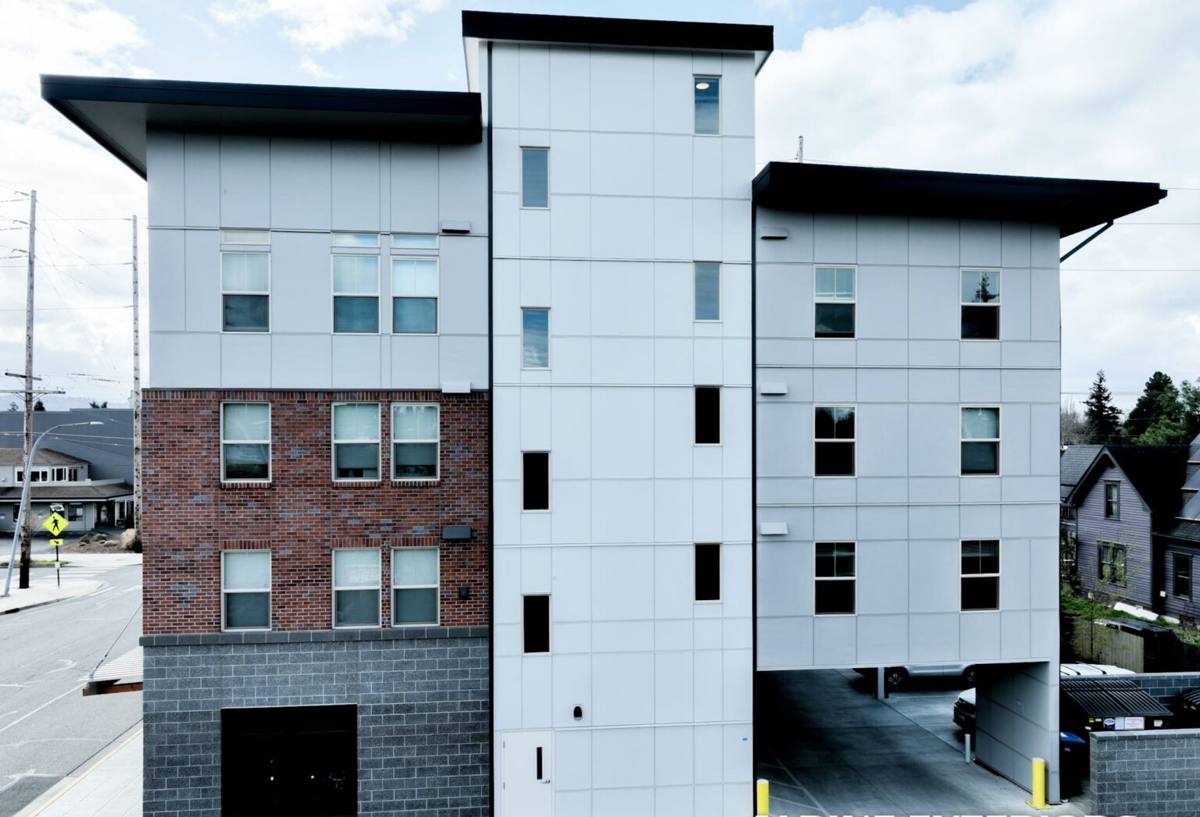
What Salt Air, Wind, and UV Actually Do to Siding
It helps to understand the specific failure modes before talking about the fix.
Salt air and moisture
Airborne salt is corrosive and hygroscopic — it pulls moisture out of the air and holds it against whatever surface it lands on. On siding, that means more sustained dampness at the surface than an inland home ever sees. Materials that absorb water or swell at cut edges and fastener points are at a real disadvantage in this setting; anything that traps moisture behind it is worse.
Hurricane-force wind and wind-driven rain
Wind doesn't just threaten to peel siding off the wall — it drives rain sideways and forces it into any gap in the installation: unsealed joints, under-lapped courses, poorly flashed windows and corners. On an exposed island lot with little to break the wind, those gaps get tested every storm season, not just during a named hurricane.
Year-round intense UV
Tampa's UV exposure is high nearly twelve months a year. Paint and factory finishes that aren't formulated for it fade, chalk, and crack years ahead of schedule, which is when homeowners start noticing streaking, color mismatch between boards, and caulk lines that stand out instead of blending in.
None of these three stresses is unique to Davis Islands, but the combination — and the intensity of the salt air specifically — is more concentrated here than on most Hillsborough County lots.
Why We Only Install James Hardie Fiber Cement
We made a deliberate decision not to install vinyl, LP SmartSide, primed wood, cedar, or other fiber cement brands, and a waterfront neighborhood like Davis Islands is a good place to explain why:
- Non-combustible core: Hardie's fiber cement won't ignite, ember, or ash — relevant given Florida's dry-season fire risk and the value of the homes on the islands.
- Engineered for this exact climate: Hardie's HZ10 product line is specifically formulated for high-moisture, humid climate zones like the Gulf Coast, with a stronger resistance to moisture-related damage than standard fiber cement.
- Factory-applied ColorPlus finish: baked-on, UV-cured color that resists fading far better than field-applied paint — important on a lot with no shade and full bay-reflected sun much of the day.
- Dimensional stability: fiber cement doesn't expand and contract with humidity swings the way wood-based products do, which matters when the air itself is carrying more moisture than usual.
- Transferable warranty: a real advantage on higher-value waterfront property that may change hands, since the coverage follows the house, not just the original owner.
Vinyl can soften and warp in intense heat and doesn't hold up structurally in high wind the way fiber cement does. Untreated or primed wood and cedar need frequent recoating to survive salt air and UV, and that maintenance burden only grows on an exposed island lot. We're not saying every other product is worthless — we're saying we've drawn a line based on what actually performs in this specific environment, and Hardie is on the right side of it.
Matching the Right Hardie Product to Your Home
Davis Islands has a real mix of architectural styles, including a number of homes influenced by the Mediterranean Revival period from the island's original development. The right Hardie product depends on that style as much as on performance.
| Hardie Product | Best Fit For | Why It Works Here |
|---|---|---|
| HardiePlank Lap Siding | Traditional and coastal-style homes | Classic horizontal profile, wide color range, most common choice on the islands |
| HardieShingle | Craftsman and cottage-style accents | Staggered or straight-edge texture for gables and accent walls |
| HardiePanel Vertical Siding | Modern or Mediterranean-influenced facades | Clean vertical lines, pairs well with stucco-style accents |
| Artisan Lap Siding | Historic-style and high-end homes | Deeper texture and shadow lines for a premium, period-appropriate look |
We'll walk through which line fits your home's style and exposure during the estimate — there's rarely a single "right" answer, but there's usually a clearly better one once we see the house.
What a Correct Installation Actually Involves
James Hardie siding performs to its rated lifespan only when it's installed to spec. On a waterfront lot, the margin for error is smaller. A correct job includes:
- Proper starter strip and clearance from grade, decking, and roofing to keep the bottom edge out of standing water
- Correct fastener type, spacing, and depth — over-driven or under-driven nails are one of the most common causes of early siding failure
- Weather-resistant barrier installed and lapped correctly behind the siding, not just under it
- Proper flashing and integration at windows, doors, and corners so wind-driven rain can't get behind the cladding
- Correct joint treatment and factory-matched caulk at butt joints, sized for expansion
- Manufacturer-specified overlap and gapping, adjusted for high-wind exposure where applicable
- Ventilation behind the siding where the wall assembly calls for it, so moisture that does get in can dry out
Every one of these steps is written into James Hardie's installation manual for a reason — skipping or rushing any of them is what turns a 30-plus-year product into one with problems in five.
Our Process for a Davis Islands Project
Working on the islands comes with logistics that don't apply everywhere — narrow bridge access, tighter lots, HOA or architectural review in some sections, and homes positioned closer to seawalls and docks. Our process accounts for that from the start:
- On-site assessment: we inspect the existing wall assembly, check for moisture or rot behind current siding, and evaluate wind exposure specific to your lot's orientation to the water.
- Product and color selection: matched to your home's architecture and any neighborhood or HOA guidelines that apply.
- Written scope and timeline: a clear, itemized plan before any material is ordered — no verbal estimates.
- Site protection: landscaping, docks, pools, and hardscaping are protected for the duration of the job, and access logistics are planned around the island's traffic patterns.
- Installation to manufacturer spec: including all flashing, fastening, and joint detail work above.
- Final walkthrough: we go over the finished work with you directly before calling the job complete.
Cost Factors on Davis Islands Projects
Siding costs vary by home, and we don't quote pricing without seeing the property, but a few factors specific to island lots tend to move the number more than they would elsewhere:
| Factor | Why It Matters Here |
|---|---|
| Home size and wall complexity | Larger waterfront homes and multi-gable rooflines mean more cutting and detail work |
| Existing wall condition | Homes with prior moisture intrusion may need sheathing repair before new siding goes on |
| Product line selected | Artisan and HardieShingle run higher than standard HardiePlank |
| Site access | Tighter lots, seawalls, and dock proximity can affect staging and material delivery |
| Trim and architectural detail | Mediterranean-influenced and historic-style homes often carry more accent trim work |
The only way to get an accurate number is a site visit, but this gives you a sense of what actually drives the range up or down.
Why Hiring a Crew That Already Works the Islands Matters
Davis Islands isn't a typical Hillsborough County subdivision. Crews unfamiliar with the area often underestimate wind exposure on the more open, waterfront-facing lots, don't account for the added corrosion risk salt air puts on fasteners and flashing, or aren't prepared for the access constraints that come with a single-bridge island community. A contractor who already understands those conditions plans the job correctly the first time instead of learning on your house.
We also stand behind our own installation, separate from the manufacturer's product warranty — because on a home this exposed to the elements, workmanship is just as important as the material itself.
Living With Your New Siding
James Hardie siding is low-maintenance, not zero-maintenance, and that distinction matters more on the water. A simple annual routine keeps it performing:
- Rinse the exterior periodically to clear salt residue before it accumulates, especially on water-facing walls
- Inspect caulk lines at joints and around windows yearly and re-caulk if you see cracking or gaps
- Keep irrigation and sprinklers from spraying directly on siding, which accelerates mineral buildup
- Have the siding and flashing checked after any major storm, even if no damage is visible from the ground
If you own a home on Davis Islands and want a straight answer on whether your current siding is holding up or due for replacement, we're glad to take a look. Fill out the form below for a free, no-pressure estimate — we'll tell you what we actually see, not just what sells a job.