 Tampa Window
 Board & Batten Siding on Davis Islands: A Different Kind of Job
Davis Islands sits on reclaimed land in Hillsborough Bay, connected to downtown Tampa by a short bridge and surrounded on nearly every side by open water. That location is a big part of what makes the neighborhood desirable, and it's also exactly why siding on Davis Islands takes more abuse than siding a few miles inland. Board and batten is one of the most popular siding styles on the island — it fits the historic bungalow and Mediterranean Revival character of many homes here, and it holds up well when the underlying material and the installation are both done correctly. When either one is wrong, board and batten is also one of the least forgiving styles to get away with cutting corners on.
This page is specifically about board and batten siding for homes in the Davis Islands area of Tampa. We're not going to give you a generic rundown of the style — we're going to walk through what this particular siding style needs to survive on this particular island, how we install it, and why we only use one material to do it.
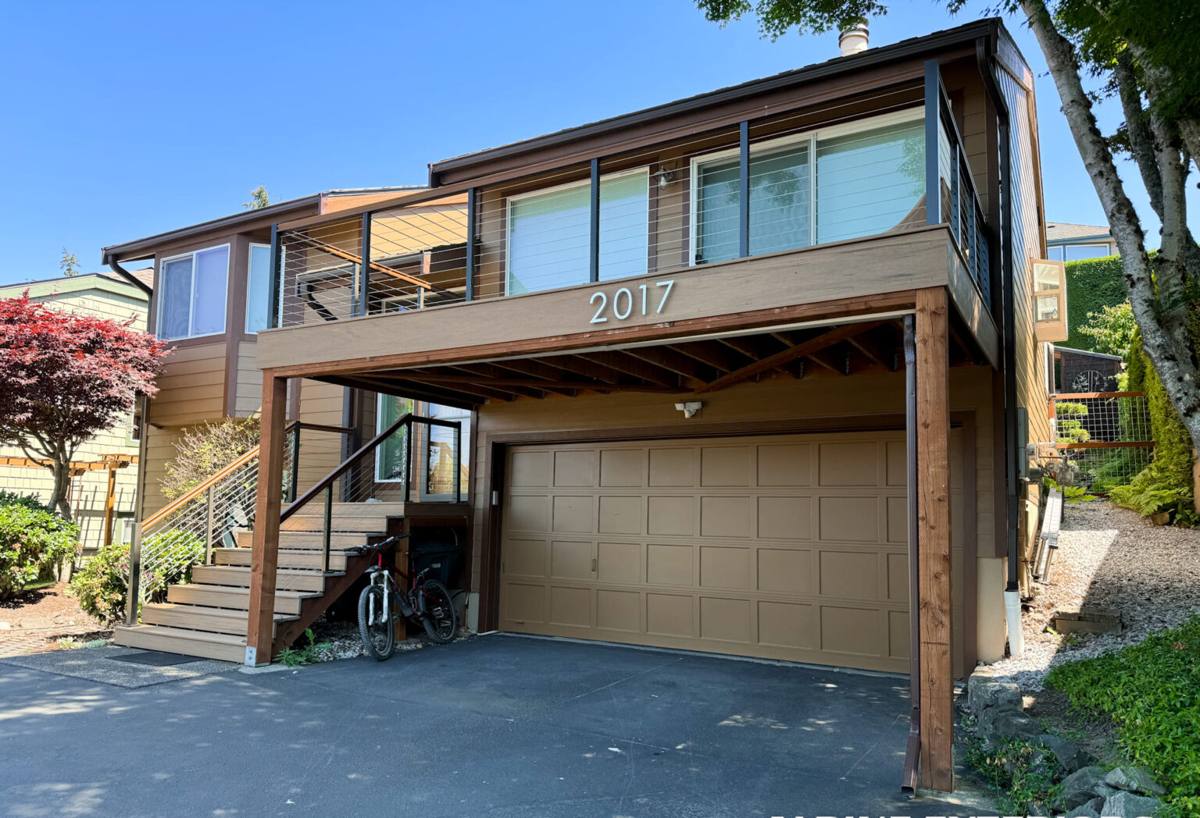
What Davis Islands Homes Are Actually Up Against
Every siding material and every siding style eventually meets the same four stressors here, just in different combinations depending on how close a given block is to open water and how exposed the home is to prevailing wind.
Hurricane-Force Wind
Tampa Bay's hurricane season runs June through November, and Davis Islands' open exposure means wind loads on exterior walls can be significant even in storms that don't make direct landfall nearby. Siding that isn't fastened to spec, or that's installed over a substrate that's already degraded, is one of the first things to fail in sustained wind — panels lift, battens pop, and water intrusion follows.
Year-Round, High-Intensity UV
Tampa gets strong sun exposure essentially every month of the year, not just in summer. Painted wood and cheaper composite trim chalk, fade, and break down faster here than they would in a milder climate, which is why factory-applied, UV-stable finishes matter more in this market than in most of the country.
Wind-Driven Rain
It's not just how much rain Tampa gets — it's how it arrives. Wind-driven rain during storms pushes water sideways and upward into laps, seams, and butt joints that would stay dry in a calm rain. Board and batten has more vertical seams than lap siding, which means more places water can find a way in if the installation detail behind each seam isn't right.
Salt Air
Because Davis Islands is surrounded by brackish and saltwater on nearly all sides, homes here see more airborne salt than homes further inland in Hillsborough County. Salt air accelerates corrosion on fasteners and metal flashing and speeds up the breakdown of materials that aren't formulated to resist it. This is one of the biggest differences between siding a Davis Islands home and siding a similar house in, say, New Tampa or Brandon.
What Board & Batten Siding Actually Is
Board and batten is a vertical siding style: wide flat panels (or individual boards) are installed vertically, and narrower strips called battens cover the seams between them. It's an old style — you'll see it on farmhouses and historic cottages going back generations — but it's also a style that shows every installation flaw more visibly than horizontal lap siding does, because the vertical lines and shadow reveals draw the eye straight to any wave, gap, or misalignment.
The Panel Layer
We install this style using James Hardie fiber cement panels, engineered specifically for vertical board and batten applications. Fiber cement doesn't warp, cup, or rot the way wood board and batten can, and it doesn't soften or sag in humidity the way some composite panel products do over time.
The Battens
The battens are what give board and batten its signature rhythm and shadow lines. Batten spacing and fastening matter more than most homeowners realize — inconsistent spacing is one of the most common signs of a rushed installation, and undersized or incorrectly placed fasteners in the battens are a common point of failure in high wind.
ColorPlus Factory Finish
James Hardie's ColorPlus finish is baked on at the factory under controlled conditions, rather than field-painted on site. In a market with Tampa's UV load, that matters: factory finishes are formulated to resist fading and hold color consistency far longer than most field-applied paint jobs, and they come with their own finish warranty separate from the product warranty.
Why We Only Install James Hardie for This Style
We get asked fairly often why we don't offer LP SmartSide, vinyl board and batten, Cemplank, Allura, or primed wood board and batten as cheaper alternatives. The honest answer is that we've made a standard for our company and we stick to it, because board and batten in particular exposes the weaknesses of lesser materials faster than other styles do.
- Vinyl board and batten can look reasonably convincing from the street, but it's a thin material that can warp or distort in intense, sustained heat, and it doesn't hold up as a rigid, wind-rated system the way fiber cement does.
- Wood board and batten (cedar or primed spruce) looks great on day one, but it needs ongoing maintenance — repainting, caulking, and moisture monitoring — that most homeowners underestimate, especially in a humid coastal climate.
- Composite wood-based panels (like LP SmartSide) have improved over the years, but they're still wood-strand products that depend on an intact factory coating to resist moisture; once that coating is compromised at a cut edge or fastener puncture, moisture can work its way in.
James Hardie's fiber cement is non-combustible, dimensionally stable, and built specifically for high-heat, high-humidity, storm-prone climates like ours. That's the material we stand behind, and it's the only one we put our installation crews' name on.
What a Correct Board & Batten Installation Involves
The material is only half the equation. A premium product installed poorly will fail before a mid-grade product installed correctly. On Davis Islands specifically, we pay close attention to a few details that matter more here than they would inland.
The Substrate and Moisture Barrier
Before any panel goes up, the wall needs a code-compliant weather-resistive barrier, properly lapped and sealed at every penetration. On an island with this much ambient moisture and salt air, a barrier that's rushed or improperly lapped is a slow leak waiting to happen.
Fastening Pattern and Wind Rating
Fastener type, spacing, and embedment all affect a board and batten system's wind performance. We follow James Hardie's published fastening schedules for the wind exposure and application, and in a coastal environment we favor corrosion-resistant fasteners suited to salt air exposure rather than the cheapest fastener that happens to fit.
Flashing and Seam Detailing
Every window, door, and roofline transition needs flashing that directs water back out, not into the wall assembly. With board and batten's vertical seams, batten placement over those seams has to be planned before installation starts, not adjusted on the fly.
Batten Spacing and Fastening
Consistent batten spacing is both a wind-performance detail and a visual one. We lay out batten spacing before the first panel goes up so the rhythm is even across the whole elevation, including around windows, corners, and gable ends.
Installation Approaches Compared
| Factor | Rushed / Low-Bid Approach | Correct Approach (What We Do) |
|---|---|---|
| Moisture barrier | Minimal lapping, penetrations sealed inconsistently | Full barrier coverage, code-compliant lapping and sealing at every penetration |
| Fasteners | Generic fasteners, spacing eyeballed | Corrosion-resistant fasteners per manufacturer schedule for wind exposure |
| Batten layout | Adjusted on the fly, seams not pre-planned | Laid out in advance so seams, spacing, and openings align cleanly |
| Finish | Field-primed or field-painted | Factory-applied ColorPlus finish with its own finish warranty |
| Flashing at openings | Reused or minimally adjusted | New flashing detailed for each opening and roofline transition |
Our Process for a Davis Islands Board & Batten Project
- On-site assessment. We walk the exterior, check the existing substrate and any moisture damage, and note wind exposure specific to the lot's position on the island.
- Product and layout plan. We spec panel size, batten spacing, and trim details to match the home's architecture and confirm everything meets current Florida Building Code wind provisions for the area.
- Permitting. Siding replacement in the City of Tampa typically requires a permit; we handle that process as part of the job rather than leaving it to the homeowner.
- Tear-off and substrate repair. Old siding comes off, and any damaged sheathing or framing underneath gets addressed before anything new goes up — a step that's easy to skip and expensive to regret later.
- Barrier and flashing installation. The weather-resistive barrier and all flashing go in before a single panel is hung.
- Panel and batten installation. Panels and battens go up per the pre-planned layout, fastened to the manufacturer's wind-rated schedule.
- Final inspection and walkthrough. We check seams, fastening, and finish consistency, then walk the property with the homeowner before calling the job complete.
What Board & Batten Costs to Consider
We don't publish fixed prices because every home's size, existing condition, trim complexity, and access affect the final number. But these are the main factors that move the price on a Davis Islands project specifically:
| Cost Factor | Why It Matters Here |
|---|---|
| Substrate condition | Older island homes sometimes have hidden moisture damage that isn't visible until tear-off |
| Wall height and elevation count | Multi-story or complex rooflines increase labor and material needs |
| Trim and architectural detail | Historic-style homes with detailed window and corner trim take more time to detail correctly |
| Access and staging | Narrow lots and close-set neighboring homes, common on the island, can affect equipment and material staging |
| Fastener and flashing upgrades | Corrosion-resistant hardware for salt air exposure costs more than standard-grade hardware |
Living With Board & Batten in a Salt-Air Climate
James Hardie board and batten needs far less upkeep than wood, but "low maintenance" isn't "no maintenance," especially this close to the water. A simple annual routine goes a long way:
- Rinse the exterior periodically to clear salt residue, especially on sides of the home facing open water
- Inspect caulking at trim, window, and door joints once a year and have any cracked sealant redone
- Check battens and corner trim after major storms for any that have loosened
- Keep irrigation and sprinklers from spraying directly on the siding, which can accelerate mineral buildup
- Have any impact damage from debris addressed promptly rather than leaving a compromised panel exposed
Why It Matters That We Already Work This Island
A crew that only occasionally works waterfront neighborhoods can miss things that a crew familiar with Davis Islands catches automatically — how much more corrosion-resistant hardware actually matters a block from the water, how City of Tampa permitting works in practice, and how to sequence a job around an island's tighter lot lines and street access. None of that is exotic knowledge, but it's the difference between a siding job that looks right on installation day and one that's still performing correctly five hurricane seasons later.
If you're weighing board and batten siding for a Davis Islands home, we're happy to take a look and walk you through what your home specifically needs — no pressure, no obligation. Request a free estimate below and we'll schedule a time to come out.