 Tampa Window
 Temple Terrace's Climate Is Hard on Windows
Temple Terrace sits along the Hillsborough River just northeast of downtown Tampa, and like the rest of Hillsborough County, it gets the full range of what Florida weather can throw at a house. Summers bring intense, near-constant UV exposure. Afternoon storms roll through with driving, wind-pushed rain that finds any gap in a window's seal. Hurricane season adds the risk of sustained high winds and airborne debris. And while Temple Terrace isn't directly on the coast, it's close enough to Tampa Bay that salt-laden air still reaches inland neighborhoods, especially during onshore wind events, and contributes to corrosion on hardware and frames over time.
None of this is unique to one street or subdivision — it's the baseline every window in this part of Hillsborough County has to hold up against, year after year. A window that's fine in a drier, milder climate can fail here faster than a homeowner expects: seals break down, frames warp or pit, and glass loses its coating effectiveness. Custom windows built and installed with this climate in mind last longer and perform better from day one.
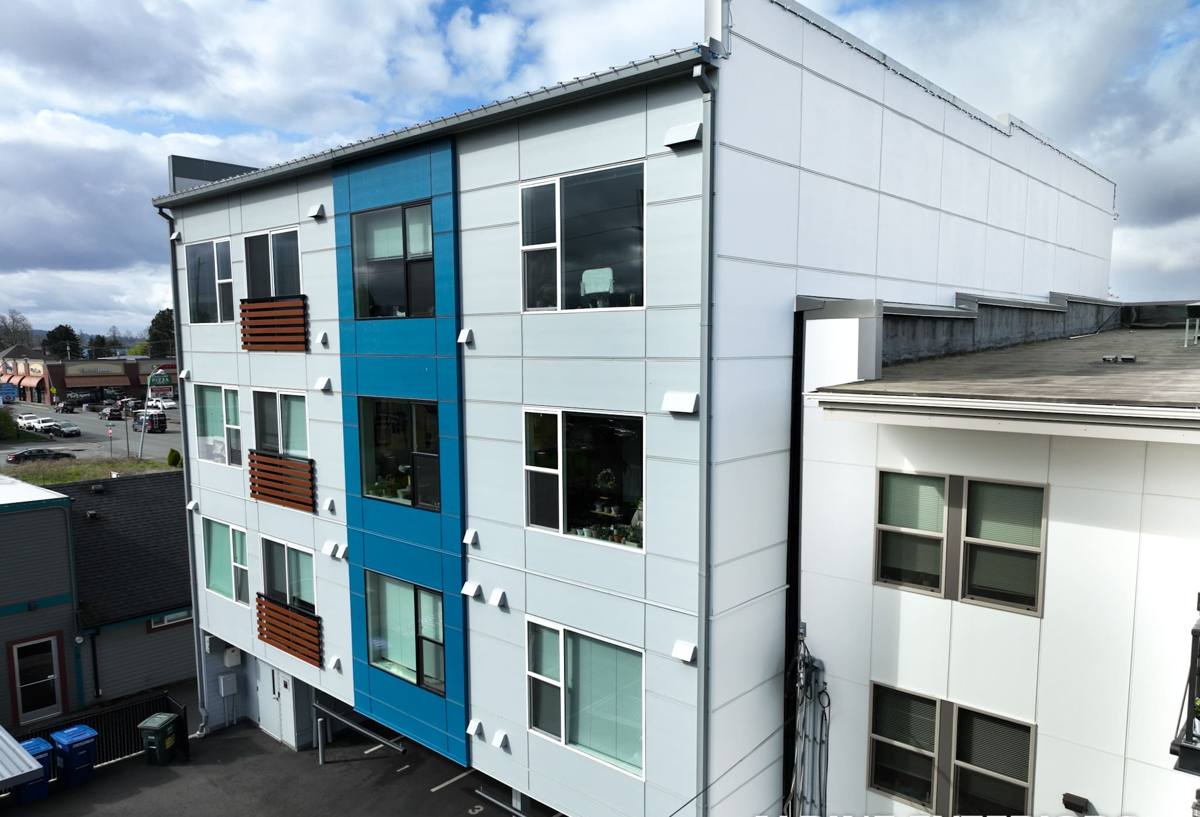
What "Custom" Actually Means for a Window Job
Custom windows aren't just about picking a style out of a catalog. It means every opening is measured and evaluated on its own, and the window that goes into it is sized, glazed, and installed to match that specific opening and that specific home. Temple Terrace has a genuine mix of housing stock — older homes with original openings that were never standard-sized to begin with, and newer construction where framing is more consistent but code requirements are stricter. Both situations call for a measure-and-verify approach rather than assuming a stock size will work.
Where Custom Work Matters Most
- Older homes where the rough opening has settled, shifted, or was framed slightly out of square
- Additions or renovated rooms where the opening doesn't match the original construction era
- Homes near the river or with more tree cover, where humidity and shade change how a frame material performs
- Matching sightlines and trim profiles across a house when replacing windows in phases
- Meeting current wind-load and impact requirements on a structure built before those codes existed
What a Correct Installation Involves
The window unit itself is only part of the job. A correctly installed window depends just as much on what happens around it — the flashing, the sealant, the fastening pattern, and how the unit ties into the wall's existing water management. This is where a lot of window failures actually start, even when the window product itself is a good one.
The Basics We Don't Skip
- Removing old windows without damaging the surrounding framing or stucco/siding
- Inspecting the opening for rot, moisture damage, or prior water intrusion before anything new goes in
- Flashing the opening so water is directed out and away from the wall assembly, not trapped behind it
- Using fasteners and anchoring appropriate to the wall type and the window's wind-load rating
- Sealing with the correct sealant for the substrate — not just caulking over gaps and calling it done
- Final adjustment so sashes operate smoothly and locks engage fully, which matters for both security and weathertightness
Skipping any of these steps is how a brand-new, expensive window ends up with a leak two rainy seasons later. The window rarely fails on its own — the installation around it does.
Choosing a Frame Material for This Climate
There isn't one "best" frame material for every home — it depends on budget, the home's style, and how much upkeep the homeowner wants to take on. Here's how the common options actually compare under Tampa-area conditions.
| Material | Humidity & Salt Air | Wind/Impact Suitability | Upkeep | Typical Fit |
|---|---|---|---|---|
| Vinyl | Good — won't rust or corrode | Good in impact-rated configurations | Low | Most homes, best value |
| Aluminum | Fair — can pit or corrode over years without coatings | Strong when properly reinforced | Moderate | Larger openings, modern styles |
| Fiberglass | Excellent — very stable in heat and humidity | Excellent | Low | Homeowners wanting longevity over lowest upfront cost |
| Wood-clad | Needs maintenance to prevent moisture damage | Depends on cladding and glazing | Higher | Historic or traditional-style homes prioritizing appearance |
We won't push a homeowner toward wood-clad frames in a high-humidity, storm-prone area unless they understand the maintenance commitment involved — the appearance is a real benefit, but the upkeep burden and moisture sensitivity are real trade-offs too. Our job is to lay out those trade-offs honestly, not steer everyone toward the highest-margin option.
Glass and Coatings
Frame material is half the equation; glass is the other half. In this climate, Low-E coatings that reduce solar heat gain make a noticeable difference in cooling costs and in how much UV fading happens to floors and furniture. Impact-rated laminated glass adds a layer of protection that also happens to block a significant amount of UV and cuts down on outside noise, which is a nice side benefit even outside of storm season.
Impact Ratings and Hillsborough County Code
Hillsborough County follows Florida's building code requirements for wind resistance, and depending on a home's exact location and wind zone, replacement windows may need to meet impact standards or be paired with approved opening protection. This isn't optional paperwork — it's what keeps a window from becoming a failure point that lets wind and water into the house during a storm.
We pull permits and design to the requirements that apply to the specific address, rather than assuming a one-size answer. A home's exact wind zone and applicable code can differ block to block, so we verify rather than guess.
Our Process
1. On-Site Assessment
We look at each opening individually — condition of the existing frame, any water damage, how the window is oriented to sun and prevailing wind, and what the home actually needs versus what's currently there.
2. Honest Recommendation
We walk through frame material, glass package, and impact-rating options with real trade-offs explained, not a hard upsell. If a lower-cost option genuinely meets the home's needs, we say so.
3. Accurate Measurement and Ordering
Every opening is measured on-site. We don't order off assumed "standard" sizes, especially on older homes where openings have shifted over the years.
4. Installation and Flashing
Old units come out cleanly, the opening is inspected and prepped, and the new window goes in with proper flashing and sealant — the part of the job that determines whether it stays weathertight for the long haul.
5. Permit and Final Inspection
Where required, we handle permitting and coordinate final inspection so the work is documented and code-compliant, not just visually finished.
Common Problems We Find in Temple Terrace Homes
Because we work regularly in this area, certain issues come up again and again. Original single-pane aluminum windows in older homes have often outlived their seals, leading to fogging between panes (in later double-pane retrofits) or drafts around the frame. On homes with mature tree canopy, we frequently see caulking and sealant that's degraded faster than expected due to shade and consistent moisture rather than direct sun. And on homes closer to the river or with more open exposure, hardware corrosion on aluminum frames shows up earlier than the frame itself would suggest.
None of these are unusual or alarming — they're just the predictable result of time and this climate. The point of a proper assessment is catching them before they turn into a bigger repair.
Keeping New Windows Performing
A well-installed custom window doesn't need much, but a little attention keeps it performing at its best for decades instead of years.
- Rinse frames and tracks periodically to clear salt and dust buildup, especially after storms
- Check weep holes on the exterior sill to make sure they're not blocked by debris or paint
- Inspect exterior caulking annually and re-seal small gaps before they become leaks
- Lubricate hardware and locks yearly to prevent corrosion from setting in
- Watch for soft spots or discoloration on interior trim, which can signal a developing leak
Why Local Experience Matters Here
A crew that regularly works in Temple Terrace and the surrounding Hillsborough County area already understands the local permitting process, the typical housing stock, and how this specific climate — the humidity, the storm patterns, the salt air drifting in from the Bay — actually wears on a window over time. That's different from a crew learning the area's quirks on the homeowner's project. It shows up in fewer surprises during installation and in windows that are specified correctly the first time, rather than needing correction later.
If you're considering custom windows for a Temple Terrace home, we're happy to take a look and give you a straightforward assessment. There's no pressure and no obligation — just an honest read on what your home needs and what it would take to get there. Use the form below to request a free estimate.