 Tampa Window
 Building Decks That Actually Hold Up in Brandon
Brandon sits inland from Tampa Bay but still takes the full brunt of Hillsborough County's climate: brutal summer humidity, near-daily afternoon thunderstorms in the wet season, hurricane-force wind events, and UV exposure that runs strong nearly year-round. A deck built with generic, big-box framing and fastener choices might look fine for a season or two, but it starts showing its weaknesses fast once real Florida weather gets to work on it. We build custom decks for Brandon homeowners with those conditions in mind from the first footing to the last board.
This page is specifically about custom deck construction for homes in Brandon — not a general overview of decks everywhere. The framing choices, fastener hardware, decking material, and maintenance schedule we recommend here are shaped by what actually happens to a deck in this part of Tampa's inland climate zone.
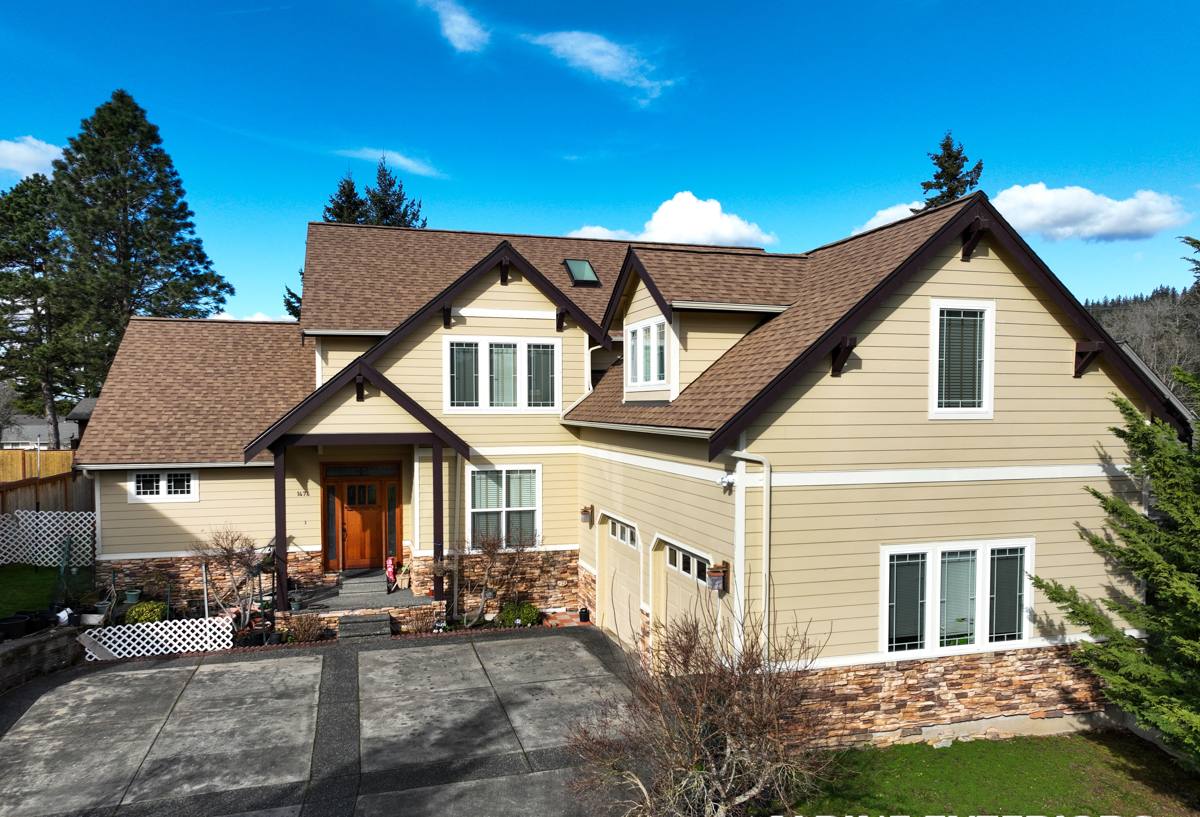
What Brandon's Climate Does to a Deck
A handful of specific conditions drive almost every deck failure or premature repair we see in this area:
- Wind-driven rain gets forced sideways and up under railings, ledger boards, and joist connections during storms, finding any gap in flashing or fastening.
- Intense, near-constant UV exposure breaks down untreated or poorly sealed wood fibers and fades composite decking that isn't rated for high-sun climates.
- Humidity and moisture cycling keeps wood framing damp for extended stretches, which is exactly the environment wood rot and fungal decay need to take hold.
- Hurricane and tropical-storm wind loads put real lateral and uplift stress on railings, posts, and the ledger connection to the house — the weakest link in a lot of older decks.
- Salt-influenced air, carried inland from Tampa Bay on prevailing winds, accelerates corrosion on unprotected fasteners and hardware even miles from the coastline.
None of these are exotic problems. They're the everyday reality of building outdoors in this part of Florida, and a deck that isn't designed around them will need repairs years before it should.
What a Correctly Built Deck Requires Here
Framing and Structure
The framing is the part of the deck nobody sees once it's finished, which is exactly why it's the part that gets shortcut most often on cheap jobs. In Brandon's soil and climate, we pay close attention to footing depth and sizing, proper joist spacing for the decking material chosen, and beam sizing that accounts for actual wind and live loads rather than the bare minimum. Undersized footings and joists are one of the most common issues we find when we're asked to inspect or repair an older deck.
The Ledger Board Connection
If a deck is attached to the house, the ledger board connection is the single most important structural detail on the entire project. It has to be properly flashed to keep water from tracking behind it into the house's wall assembly, and it has to be fastened with lag bolts or through-bolts rated for the load — not just nailed on. A poorly flashed or under-fastened ledger board is a leading cause of both structural failure and hidden water damage to the house itself.
Fasteners and Hardware
Every screw, bolt, joist hanger, and post base on a deck in this climate should be corrosion-resistant — stainless steel or coated fasteners rated for exposure, not standard zinc-coated hardware that starts rusting and staining within a couple of years. This is one of the cheapest details to get right and one of the most expensive to fix later, since replacing corroded structural hardware often means partially disassembling the deck.
Wind Resistance
Railings, post connections, and the overall bracing of the structure need to be built to resist real lateral wind loads, not just support a person leaning on the rail. This matters more here than in most parts of the country given how often this region sees tropical storm and hurricane wind events during the season.
Choosing the Right Decking Material
The decking surface is where most homeowners focus their attention, and the right choice depends on how much maintenance you're willing to do versus what you want to spend up front.
| Material | How It Handles This Climate | Maintenance | Typical Lifespan Here |
|---|---|---|---|
| Pressure-treated wood | Affordable, but UV and humidity cycling will gray and check the surface without regular sealing | Annual cleaning and re-sealing recommended | 10-15 years with upkeep |
| Tropical hardwoods | Naturally dense and rot-resistant, holds up well to moisture but still fades under constant UV without oiling | Periodic oiling to maintain color and moisture resistance | 20-25+ years with upkeep |
| Composite decking | Resists rot and insects, doesn't need sealing, but quality varies a lot between product lines in UV-heavy climates | Occasional washing, no sealing or staining | 25-30 years, manufacturer-dependent |
| PVC/capped polymer decking | Fully sealed surface handles humidity and salt air well; some products can run hot underfoot in direct summer sun | Occasional washing | 25-30+ years, manufacturer-dependent |
We install real wood, composite, and PVC decking, and we'll walk you through which one fits your budget, your maintenance appetite, and how much direct afternoon sun your deck will actually see. We don't push a single product line on every job — the right material depends on the specific deck and homeowner.
Our Deck-Building Process
1. On-Site Assessment
We walk the property, look at sun exposure, drainage, existing grade, and how the deck will tie into the house, and talk through how you actually plan to use the space.
2. Design and Material Selection
We size the structure to the load and use case, help you pick a decking and railing material that fits your budget and maintenance preference, and go over layout options.
3. Permitting
Deck construction in Hillsborough County generally requires a building permit, and depending on size and attachment, sometimes an engineered plan. We handle the permit process so it isn't left for you to navigate.
4. Construction
Footings first, then framing, ledger connection and flashing if attached to the house, decking, railings, and stairs. We inspect our own fastener and flashing work at each stage rather than covering it up and moving on.
5. Final Walkthrough
We go over the finished deck with you, cover basic care for whatever material was installed, and make sure everything meets code before we call the job done.
Common Problems We Find on Older Brandon Decks
When we're called out to repair or replace an existing deck in the area, the same handful of issues show up repeatedly:
- Ledger boards with missing or failed flashing, allowing water to track into the rim joist or the house wall behind it.
- Standard zinc fasteners and joist hangers that have corroded and stained the wood around them.
- Undersized or shallow footings that have shifted or settled over time.
- Railing posts that were never properly through-bolted, leaving them loose or wobbly under lateral load.
- Wood decking that was never sealed after installation and has been left to weather unprotected for years.
Almost every one of these is a framing or fastener decision made at the time of construction — which is exactly why getting those details right the first time matters more than almost anything visible on the finished deck.
Permits and Codes in Hillsborough County
Custom deck construction in this area is governed by Hillsborough County building code, which sets requirements for footing depth, structural connections, guardrail height and spacing, and stair geometry, among other things. Skipping the permit process might save a little time up front, but it leaves you without an inspection record if you ever sell the home or need to file an insurance claim after storm damage. We pull the proper permits and build to the inspected standard rather than treating code as optional.
Protecting Your Investment: A Maintenance Checklist
Whatever material you choose, a little regular attention goes a long way in this climate:
- Rinse off pollen, dirt, and salt-laden dust every few months, more often if the deck sits under trees.
- Inspect fasteners and hardware for rust staining at least once a year, especially near the ledger board.
- Check for soft or spongy spots in wood decking, which can indicate trapped moisture or early rot.
- Reseal or re-oil wood decking on the schedule recommended for that specific wood species.
- Keep gutters and downspouts near the deck clear so water isn't dumping directly onto framing or footings.
- After any major storm, do a quick visual check of railings and post connections before heavy use.
Why Hiring a Crew That Already Works in Brandon Matters
A deck built by a crew that hasn't worked in this specific climate zone often looks fine on installation day and starts showing problems within a few storm seasons. We already know what footing depths and fastener grades hold up in this soil and humidity, what decking products actually perform under Tampa-area UV rather than just claiming to, and what Hillsborough County's inspectors expect to see. That local, repeat experience is what keeps a deck performing for decades instead of needing early rework.
If you're planning a new deck or need an honest assessment of one that's already showing its age, we'd be glad to take a look. Request a free, no-pressure estimate using the form below and we'll walk through your options with you.