 Tampa Window
 Building a Deck That Can Actually Handle Clearwater
A deck in Clearwater lives a harder life than a deck almost anywhere inland. It sits a few miles from the Gulf of Mexico, which means salt-laden air settling into every fastener and joint. It takes direct, nearly year-round Florida sun that breaks down finishes and fades color faster than most homeowners expect. And it has to survive wind-driven rain and the occasional direct hit from a tropical system without the framing loosening, the boards cupping, or the railings failing. A deck built with generic, one-size-fits-all methods will show its age within a few seasons here. One built for this specific climate — correct materials, correct fasteners, correct drainage — will still look and perform well a decade or more later.
This page is about custom deck building specifically for Clearwater properties: what the local conditions demand, what a correctly built deck involves from the ground up, and how we handle the project from first conversation to final inspection.
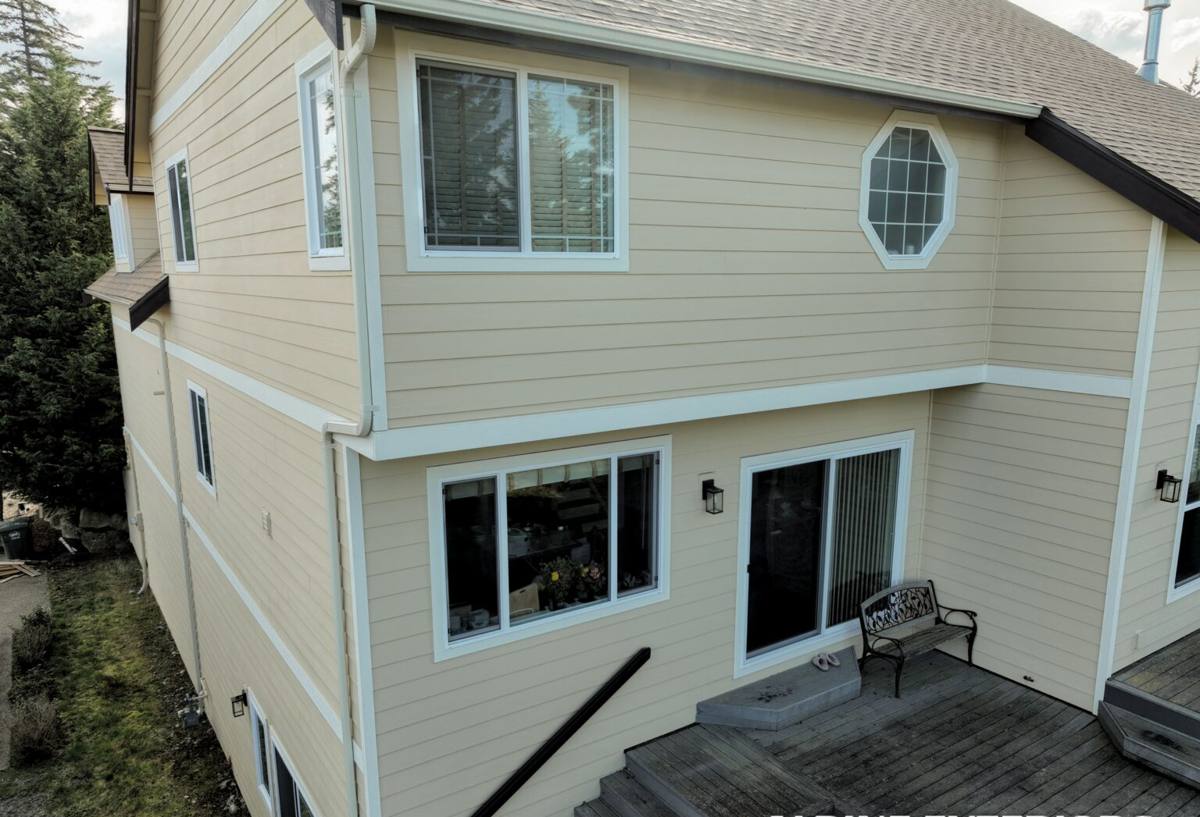
What Pinellas County Code Requires for a New Deck
Clearwater sits in Pinellas County, and any attached or freestanding deck above a certain height requires a building permit under the Florida Building Code. That's not a formality — Florida's code exists specifically because of wind. Deck framing, railing attachment, and guardrail construction all have to meet wind-load and structural requirements that were written with hurricane exposure in mind, not just a generic national standard.
In practice, this affects real decisions on your project: footing depth and spacing, the size and spacing of joists, how the ledger board attaches to your house, and how guardrail posts are anchored. A deck that "looks right" but skips proper engineering on these points can fail a permit inspection, or worse, fail during the next storm. We pull permits, build to the load requirements that apply to your specific structure, and schedule the required inspections as part of the job — not as an afterthought.
Why This Matters More on the Gulf Coast
Inland decking projects often get away with lighter-duty connections because wind loads are lower. In Clearwater, sustained coastal wind exposure and the real possibility of hurricane-force gusts mean guardrails, stair stringers, and ledger attachments all need to be built to a higher standard from day one. Cutting corners here isn't a cosmetic risk — it's a safety and structural risk.
Choosing the Right Decking Material for Salt Air and UV
Not every decking product sold nationally is a good fit for a Gulf-facing property. Some materials handle intense UV well but absorb moisture at the fastener holes. Others resist rot but fade or chalk under constant sun. We walk homeowners through the real trade-offs rather than pushing one product for every yard.
| Material | Salt Air / Humidity | UV / Fade Resistance | Maintenance | Typical Lifespan |
|---|---|---|---|---|
| Pressure-treated pine | Good if properly sealed and re-sealed | Fades and grays without upkeep | Annual cleaning and re-sealing recommended | 10-15 years with maintenance |
| Capped composite | Very good — resists moisture absorption | Good; color-stable cap layer | Occasional washing, no sealing needed | 25+ years |
| PVC decking | Excellent — no organic material to absorb moisture | Very good, some fading over decades of sun | Low; wash only | 25-30+ years |
| Tropical hardwood (e.g., ipe) | Naturally rot- and insect-resistant | Grays without regular oiling | Requires periodic oiling to hold color | 25+ years if maintained |
There's no universally "best" choice — it depends on your budget, how much upkeep you actually want to do, and how the deck will be used. Homeowners who want the lowest-maintenance option in a salt-air environment usually land on capped composite or PVC. Homeowners who want a traditional wood look and don't mind periodic care often still choose treated pine or a hardwood. We'll give you honest guidance on what each option actually requires over time rather than just the sales pitch.
Framing, Fasteners, and Footings Built for Florida Ground
What's underneath the decking boards matters just as much as the surface material — arguably more, since it's what actually holds the structure together in wind. A few specifics we treat as non-negotiable on Clearwater projects:
- Fasteners and hardware: Standard galvanized hardware corrodes faster in salt-air exposure. We use stainless steel or coastal-rated coated fasteners and connectors on framing, joist hangers, and railing hardware.
- Footings: Florida's sandy soil drains well but doesn't hold a footing the way denser inland soil does. Footings are sized and set to local code depth for the load they need to carry, not just poured to a generic minimum.
- Joist spacing and blocking: Proper spacing and cross-blocking keep the deck surface from feeling bouncy and help the whole structure resist wind racking.
- Hurricane connectors: Structural ties at key framing connections help the deck resist uplift and lateral loads in high wind — the same principle used in roof framing, applied to deck construction.
None of this is visible once the deck is finished, which is exactly why it's worth asking a contractor about it directly before you hire them. The parts nobody sees are the parts that determine whether the deck is still solid in ten years.
Railings, Stairs, and Guardrail Code Compliance
Guardrails and stair railings are one of the most commonly overlooked areas on DIY or budget deck projects — and one of the most heavily regulated for good reason. Florida code sets requirements for guardrail height, baluster spacing (to prevent a small child from passing through), and how securely posts are anchored to resist a lateral push. On a coastal property, we also account for wind loading on the railing itself, since an improperly anchored rail system can become a real hazard in a storm.
We build stairs and railings to meet code as a baseline, then work with you on style — horizontal cable rail, traditional baluster rail, or a composite/aluminum system that won't corrode near salt air.
Our Process, Start to Finish
1. Consultation and Design
We look at your property, talk through how you actually plan to use the space (dining, grilling, lounging, pool-adjacent), and discuss material options honestly based on your budget and maintenance preference.
2. Engineering and Permitting
We handle the permit application with the City of Clearwater or Pinellas County as applicable, including any structural details required for approval.
3. Site Prep and Framing
Footings, ledger attachment, and framing go in first, built to the load and connection standards described above.
4. Decking, Railing, and Finish Work
Decking is installed with proper fastener spacing and expansion gaps (critical for composite and PVC in Florida heat, since these materials expand and contract more than wood). Railings and stairs go in last.
5. Inspection and Walkthrough
We schedule the required final inspection and walk the finished deck with you before calling the job complete.
Protecting Your House Where the Deck Meets It
One of the most common failure points on attached decks isn't the deck itself — it's the ledger board connection to the house. If that connection isn't properly flashed, wind-driven rain (common during Gulf coast storms) works its way behind the ledger and into the house framing, leading to rot that can go unnoticed for years. We flash every ledger connection correctly and make sure water is directed away from the house, not into it. We also account for proper drainage and airflow underneath the deck itself, since standing moisture under a low deck is a common cause of premature rot and an invitation for pests.
Maintenance Checklist for Clearwater Deck Owners
Whatever material you choose, a little seasonal attention goes a long way in this climate. A basic maintenance routine we recommend to homeowners:
- Rinse salt residue and debris off the deck surface every few weeks, especially after storms
- Check fastener heads and railing connections once or twice a year for corrosion or loosening
- For wood decking, plan on cleaning and re-sealing or re-oiling on a regular cycle to prevent UV graying and moisture damage
- Keep gutters and downspouts near the deck clear so runoff isn't pooling against footings or the ledger connection
- Trim back vegetation that traps moisture against the deck structure
- After any major storm, do a quick visual check of railings and stair connections before heavy use
Why Hiring a Crew That Already Works in Clearwater Matters
A contractor who mostly builds decks in a different climate — or who treats every region the same — is more likely to default to generic hardware, generic footing depth, and generic material recommendations that don't hold up against Gulf coast conditions. A crew that regularly works Clearwater and the surrounding Tampa Bay area already knows the local permitting process, already builds to the wind and moisture realities of this specific coastline, and has seen firsthand what happens to decks that were built to a lower standard. That local experience shows up in the details you won't notice until years later — the fasteners that haven't rusted, the railing that's still solid, the ledger board that never let water into your house.
If you're considering a new deck or a replacement for one that's showing its age, we're happy to walk your property and talk through what a well-built deck looks like for your specific home. Use the form below to request a free, no-pressure estimate.