 Tampa Window
 Why Carrollwood Roofs Take a Different Kind of Beating
Carrollwood sits inland from Tampa Bay, but "inland" doesn't mean sheltered. Homes here still take the full brunt of Hillsborough County's weather cycle: hurricane-force wind gusts during storm season, intense subtropical sun almost every day of the year, and long stretches of humidity that never really let a roof dry out completely. Add in wind-driven rain that gets pushed sideways under loose flashing, and you have a climate that finds every weak point in a roofing system within a few seasons, not a few decades.
Metal roofing has become a popular answer for homeowners in this part of Tampa because, installed correctly, it handles wind uplift, sheds water fast, and doesn't absorb heat the way asphalt shingles do. The key phrase is "installed correctly." A metal roof is only as good as the fastening pattern, underlayment, and flashing details underneath it — and that's where a lot of installations in this region fall short.
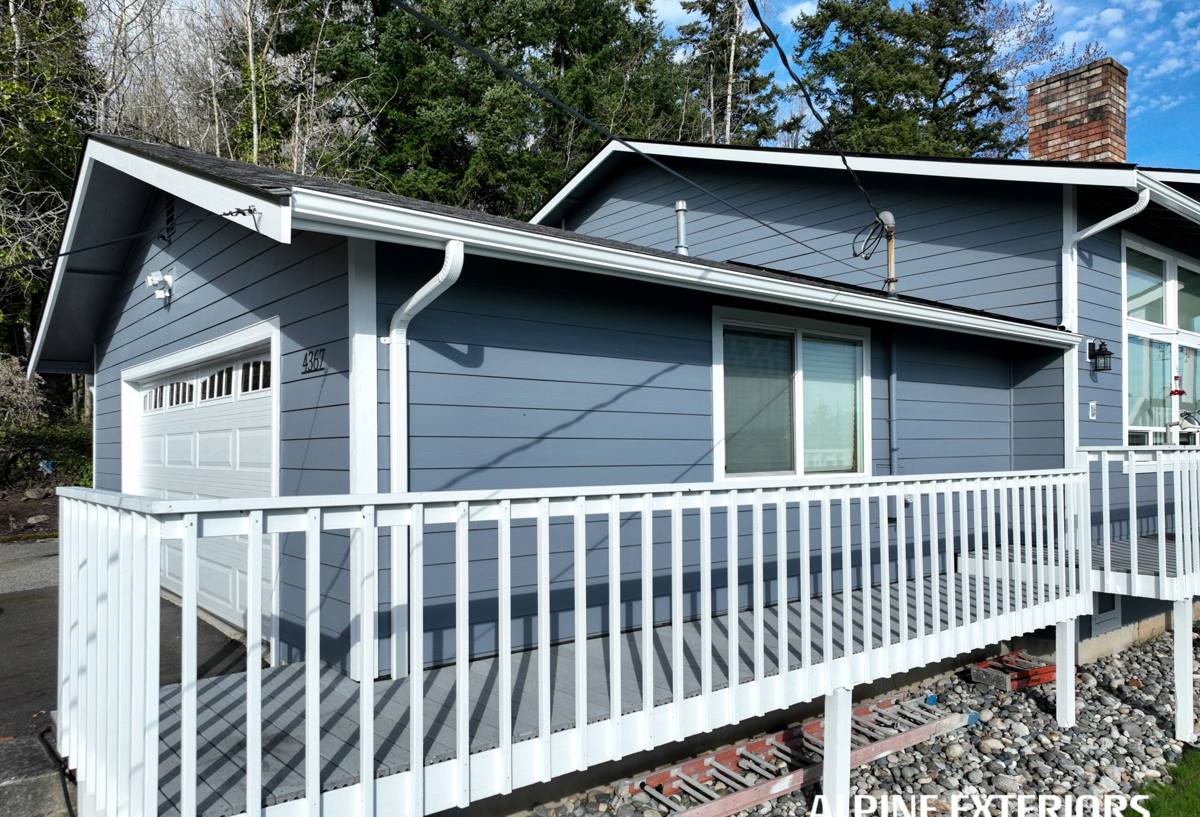
What Carrollwood Homes Actually Need From a Metal Roof
Before talking panels and colors, it helps to be clear about what the roof is being asked to do here specifically:
- Stay fastened down through sustained tropical-storm and hurricane wind loads, not just brief gusts
- Resist corrosion from humidity and, depending on the home's proximity to the bay, salt-laden air
- Reflect UV rather than absorb it, since Tampa sun exposure is close to year-round
- Shed heavy, wind-driven rain quickly through properly lapped seams instead of relying on caulk to stop leaks
- Meet current Hillsborough County wind-uplift and fastening requirements, not older code minimums
Homes in Carrollwood range from older ranch-style construction to newer builds, and the roof deck condition, existing ventilation, and slope all affect which metal system makes sense. That's why a proper metal roofing job starts with an honest assessment of the structure underneath, not a quote based on square footage alone.
What a Correct Metal Roofing Installation Involves
Deck Inspection and Preparation
Metal panels are only as good as what they're fastened to. Before any panel goes down, the existing deck needs to be inspected for soft spots, water staining, or rot — especially around old flashing lines, vent penetrations, and valleys where past leaks are most likely to have done damage. Skipping this step is one of the most common shortcuts in the industry, and it's the reason a metal roof can fail years early even though the panels themselves are fine.
Underlayment
Florida's building code requires a secondary water barrier under metal roofing for good reason. A high-temperature-rated synthetic or self-adhered underlayment gives the roof a backup layer of protection if wind-driven rain ever gets past the panel seams — which, during a strong storm, it eventually will at some point over the roof's life. This layer also protects the deck during the installation window itself, before panels go on.
Fastening and Wind-Uplift Rating
This is the single biggest factor in whether a metal roof survives a hurricane-force event. Fastener spacing, clip type (for standing seam systems), and panel gauge all have to match the wind-uplift rating required for the home's exposure category in Hillsborough County. A roof that "looks" correctly installed can still be under-fastened in a way that isn't visible until a major wind event tests it.
Flashing, Valleys, and Penetrations
Most roof leaks, metal or otherwise, don't start in the open field of the roof — they start at transitions: chimneys, skylights, plumbing vents, wall-to-roof junctions, and valleys. Metal roofing requires custom-formed flashing at each of these points, not universal boots or generic trim. This is detail work, and it's where installer experience shows the most.
Ventilation
A metal roof over a poorly ventilated attic traps heat and moisture, which shortens the life of the deck and the underlayment even if the metal itself is fine. Ridge venting or other proper attic ventilation should be part of the plan, not an afterthought.
Comparing Metal Roofing Options for This Climate
Not every metal roofing system performs the same way under Tampa's conditions. Here's how the common options generally compare for a Carrollwood home:
| System | Wind Performance | Best Suited For | Trade-Offs |
|---|---|---|---|
| Standing seam (concealed fasteners) | Strongest — fasteners are hidden and protected from direct weather | Homes wanting the longest service life and cleanest look | Higher upfront cost, requires skilled installation |
| Exposed-fastener panel | Good when installed to spec, but fasteners are exposed to sun and rain | Budget-conscious projects, outbuildings, additions | Fasteners need periodic inspection and eventual replacement |
| Stone-coated steel | Strong, adds weight and rigidity | Homeowners wanting a shingle or tile look with metal durability | More components at seams; installation detail matters more |
| Aluminum panels | Excellent corrosion resistance | Homes closer to the bay with salt air exposure | Softer material, needs correct gauge for wind loads |
We'll walk through which of these actually fits a given roof's slope, structure, and budget during the estimate — there's rarely one universally "best" answer.
How Our Process Works
- On-site inspection. We look at the existing roof, deck condition, attic ventilation, and any trouble spots before recommending a system.
- Written estimate. You get a clear scope of work — materials, fastening approach, flashing details, and timeline — not just a total price.
- Permitting. Metal roofing work in Hillsborough County requires a permit and inspection sign-off; we handle that process rather than leaving it to the homeowner.
- Tear-off and deck prep. Old roofing is removed and the deck is inspected and repaired as needed before anything new goes down.
- Underlayment and flashing. The secondary water barrier and custom flashing go in first, since these details get covered up once panels are installed.
- Panel installation. Panels are installed to the fastening pattern required for the home's wind-uplift rating, not a generic spacing.
- Final walkthrough and inspection. We review the finished roof with you and coordinate the required county inspection.
Wind Uplift, Code, and Why It's Not Optional Here
Hillsborough County follows the Florida Building Code, which sets minimum wind-uplift and fastening standards specifically because storms like the ones that hit this region are expected, not hypothetical. For a metal roof, that means fastener type and spacing, panel gauge, and underlayment all have to be matched to the home's exposure category — not just picked because they're the cheapest option that technically passes inspection. A roof built to the bare code minimum and one built with a margin of safety above it can look identical from the ground, but perform very differently in a real event.
This is also why permitting matters. A permitted, inspected metal roof gives you a paper trail that a system was installed to code — something that can matter for insurance and for resale down the road.
What Metal Roofing Costs Depend On
Metal roofing costs vary by home, and any contractor quoting a firm number without seeing the roof is guessing. In general, the main cost drivers are:
| Factor | Why It Matters |
|---|---|
| Panel system | Standing seam runs higher than exposed-fastener panels due to material and labor |
| Roof complexity | Multiple valleys, dormers, and penetrations add flashing labor |
| Deck condition | Rot or soft decking found during tear-off adds repair cost before installation can continue |
| Roof pitch and access | Steeper or harder-to-access roofs take longer and require more safety setup |
| Material gauge and finish | Heavier gauge and premium coatings cost more but hold up longer in this climate |
As a broad range, homeowners in this area typically see metal roofing land somewhere between two and four times the cost of a comparable asphalt shingle roof, with the exact number depending heavily on the factors above. We'll give you real numbers based on your roof, not a ballpark that doesn't account for its condition.
Maintaining a Metal Roof in a Tampa Climate
Metal roofing is low-maintenance compared to shingles, but "low-maintenance" isn't "no-maintenance" in a climate like this one. A simple annual routine goes a long way:
- Clear debris from valleys and around penetrations after storm season
- Check exposed fasteners (if applicable) for backing out or early corrosion
- Look at sealant around flashing points for cracking or shrinkage
- Confirm gutters and downspouts are clear so water isn't backing up under the roof edge
- After any major wind event, do a visual check for lifted panels or displaced flashing before the next rain
Why It Matters That We Already Work in Carrollwood
A metal roof installed correctly for a home in a drier, milder climate isn't automatically installed correctly for Hillsborough County. Fastening patterns, underlayment choices, and flashing details all need to account for what this specific area actually experiences — hurricane-force wind events, salt air depending on proximity to the bay, and near-constant UV exposure. A crew that regularly works in and around Carrollwood already knows what local wind-uplift requirements call for, what the county permitting process involves, and which details tend to fail first when they're rushed. That familiarity shows up in fewer callbacks and a roof that actually performs when a storm tests it, not just when it's brand new.
If you're weighing metal roofing for your Carrollwood home, we're glad to take a look and walk you through what your roof specifically needs — no pressure, no generic pricing. Fill out the form below and we'll set up a free estimate.