 Tampa Window
 Storm Damage Roof Repair in Brandon, Florida
Brandon sits inland from Tampa Bay but that doesn't spare it from the same weather that batters the rest of Hillsborough County. When a summer thunderstorm rolls through with straight-line winds, or a tropical system tracks across the Interstate 4 corridor, Brandon roofs take a beating just like roofs closer to the coast. The difference is that storm damage here doesn't always look dramatic. A few lifted shingles, a cracked pipe boot, or a bruised patch of roofing felt can sit quietly for months before it turns into a stained ceiling or a soft spot in the decking.
This page covers what storm damage roof repair actually involves for a Brandon home, what our process looks like from the first call to the final walkthrough, and why working with a crew that's already familiar with this part of Tampa matters more than it might seem.
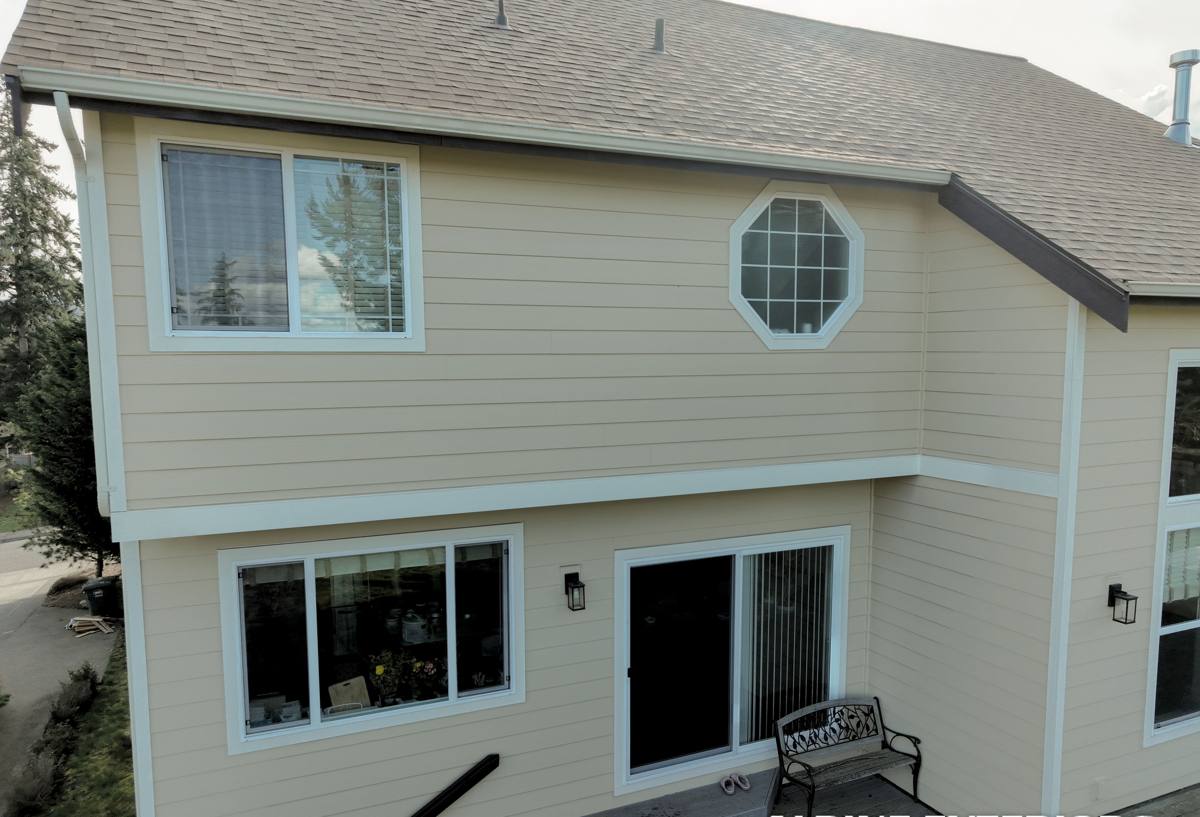
Why Brandon Roofs Take Storm Damage Differently
Every roof in the Tampa area deals with the same broad climate pressures — hurricane-force wind gusts during the active season, intense UV exposure nearly year-round, and wind-driven rain that gets pushed sideways into fascia, soffits, and roof penetrations. Brandon's mix of housing stock, much of it built during different growth waves of Hillsborough County, means the roofs responding to that weather vary a lot in age, material, and prior repair quality.
Wind Load and Uplift
Storm winds don't just push down on a roof — they create uplift at the edges, ridges, and corners, which is exactly where shingles, tiles, and metal panels are most likely to separate from the deck. A roof that looked fine from the ground after a storm can still have loosened fasteners or lifted tabs that reseal poorly (or not at all) once the sun bakes them back down.
UV Breakdown Between Storms
Florida's sun does long-term damage that storms then exploit. UV exposure dries out asphalt shingles and breaks down the plasticizers in some underlayments and sealants, making them brittle. A roof that's been quietly UV-aged for years is far more likely to crack, tear, or blow off during a wind event than a newer one — which is why storm damage often shows up worse on older Brandon roofs even when the storm itself wasn't extreme.
Wind-Driven Rain Intrusion
Vertical rain is one thing; rain pushed sideways at 40-60+ mph is another. It finds every gap in flashing, every lifted shingle edge, and every degraded pipe boot. This is why storm damage repair isn't just about replacing what's visibly missing — it's about tracing where water actually got in, which is often several feet from where the leak shows up inside the house.
What Correct Storm Damage Repair Actually Involves
A rushed storm repair addresses what's obviously broken and stops there. A correct repair addresses what's broken, what's about to fail next, and what let water in during the storm in the first place.
Full Roof Inspection, Not Just the Damaged Spot
We walk the entire roof, not just the area a homeowner points to. Wind damage is rarely isolated — if one section lost shingles, the surrounding field has almost certainly taken uplift stress too, even if it's still nominally attached.
Decking and Substrate Check
If water got past the shingles or underlayment, the wood decking underneath needs to be checked for softness, delamination, or rot before anything new goes down. Covering a compromised deck with new roofing material just hides a structural problem.
Flashing and Penetration Review
Pipe boots, vent flashing, chimney flashing, and valley metal are common failure points in wind-driven rain. These get inspected and resealed or replaced as part of a proper repair, not skipped because they weren't the "obvious" damage.
Matching Materials Correctly
Repairs should match the existing roofing material's type, weight, and where possible, color and age profile, so the repaired section performs and weathers consistently with the rest of the roof rather than becoming a visibly different patch that ages at a different rate.
Our Storm Damage Repair Process
- Initial contact and triage. We ask what happened, when, and whether there's active water intrusion, so we can prioritize homes with ongoing leaks.
- Emergency tarping if needed. If the roof has active exposure, we get it covered and weather-tight as a temporary measure before the full repair is scheduled.
- On-site inspection. A thorough walk of the roof, attic (when accessible), and interior ceiling lines to trace how and where water is moving.
- Written scope and estimate. We document exactly what's damaged, what needs repair versus replacement, and give an honest estimate before any work begins.
- Repair work. Deck repair or replacement where needed, underlayment and flashing correction, and shingle or material replacement matched to the existing roof.
- Final walkthrough. We review the completed repair with the homeowner and confirm the affected area is fully weather-sealed.
Repair vs. Replacement: How We Make That Call
Not every storm-damaged roof needs full replacement, and not every roof can be safely patched. The decision comes down to the extent of the damage relative to the roof's remaining service life.
| Factor | Leans Toward Repair | Leans Toward Replacement |
|---|---|---|
| Roof age | Under roughly 10-12 years | Near or past expected material lifespan |
| Extent of damage | Isolated section or single slope | Widespread across multiple slopes |
| Decking condition | Solid, no rot found | Soft spots or rot found in multiple areas |
| Prior repair history | Well-maintained, minimal patchwork | Multiple past repairs already layered |
| Underlayment condition | Still pliable, intact elsewhere | Brittle or degraded throughout |
We walk homeowners through where their roof falls on this table honestly. If a repair is the right call, that's what we recommend — a full replacement isn't automatically the "safer" answer, it's the right answer only when the numbers and the roof's condition actually support it.
Why a Crew That Already Works Brandon Matters
Storm response is time-sensitive, and local familiarity actually changes the outcome. A crew that regularly works in and around Brandon and greater Hillsborough County already understands the common roofing profiles in the area, can get to a property faster after a storm passes, and isn't learning the local permitting and inspection process on your project. Response time matters most in the first 24-48 hours after a storm, when a tarped roof is doing its job but every additional day of exposure raises the odds of secondary damage inside the home.
There's also a practical continuity benefit: a local crew that repairs your roof is a crew you can actually reach again if a question comes up six months later, rather than a storm-chasing outfit that worked the area for one season and moved on.
What Homeowners Can Check After a Storm
Before calling for an inspection, a homeowner can safely check a few things from the ground or from inside the attic if accessible:
- Look for shingles or tiles visibly missing, cracked, or curled up at the edges
- Check gutters and the ground below the roofline for granule buildup or debris from roofing material
- Look inside the attic for daylight coming through the decking or damp insulation
- Check interior ceilings, especially near exterior walls and around vent penetrations, for new stains
- Note any sagging areas on the roofline itself, viewed from a safe distance
- Avoid climbing onto the roof after a storm — wet, wind-loosened roofing is unstable
None of this replaces a professional inspection, but it helps a homeowner describe what they're seeing accurately when they call, which speeds up triage.
Insurance and Documentation
Storm damage repairs are often tied to an insurance claim. We document damage thoroughly with photos and a written scope before repair work begins, which gives homeowners the paperwork they need to support a claim. We don't handle the claim itself or negotiate with the adjuster on the homeowner's behalf, but a clear, honest scope of work makes that conversation with the insurance company much more straightforward.
Maintenance That Reduces Storm Damage Risk
A roof that's kept in good condition between storms simply holds up better when severe weather hits. A few habits make a real difference in a climate like Tampa's:
- Trim back tree limbs that overhang the roofline before storm season
- Keep gutters clear so wind-driven rain has somewhere to drain instead of backing up under the roof edge
- Address small leaks or lifted shingles promptly rather than waiting for the next storm to make them worse
- Have the roof inspected after any named storm passes near the area, even if no damage is visible from the ground
If your Brandon roof took a hit from wind, rain, or hail and you want an honest read on what's actually going on up there, we're glad to come take a look. Reach out for a free, no-pressure estimate using the form below.