 Tampa Window
 Brandon's Climate Is Hard on Siding — Here's Why
Brandon sits inland from Tampa Bay but still takes the full brunt of what Hillsborough County weather dishes out: long stretches of triple-digit heat index summers, intense UV exposure nearly every day of the year, sudden afternoon downpours driven sideways by gusty storm winds, and the occasional direct hit or near-miss from a tropical system. Add in humidity that never really goes away, and you have a recipe that ages cheap or poorly-installed siding fast. Homes here don't fail because Florida is unusually harsh compared to other Gulf Coast markets — they fail because siding gets chosen or installed without that climate in mind.
Wind-driven rain is the biggest hidden threat. It doesn't just hit siding head-on; it gets forced up and under laps, around trim, and into any gap that wasn't flashed or caulked correctly. Combine that with humidity that keeps moisture from drying out quickly, and you get the classic Florida siding failure pattern: swelling, soft spots, paint that bubbles and peels, and eventually rot or delamination behind a surface that still looks okay from the curb.
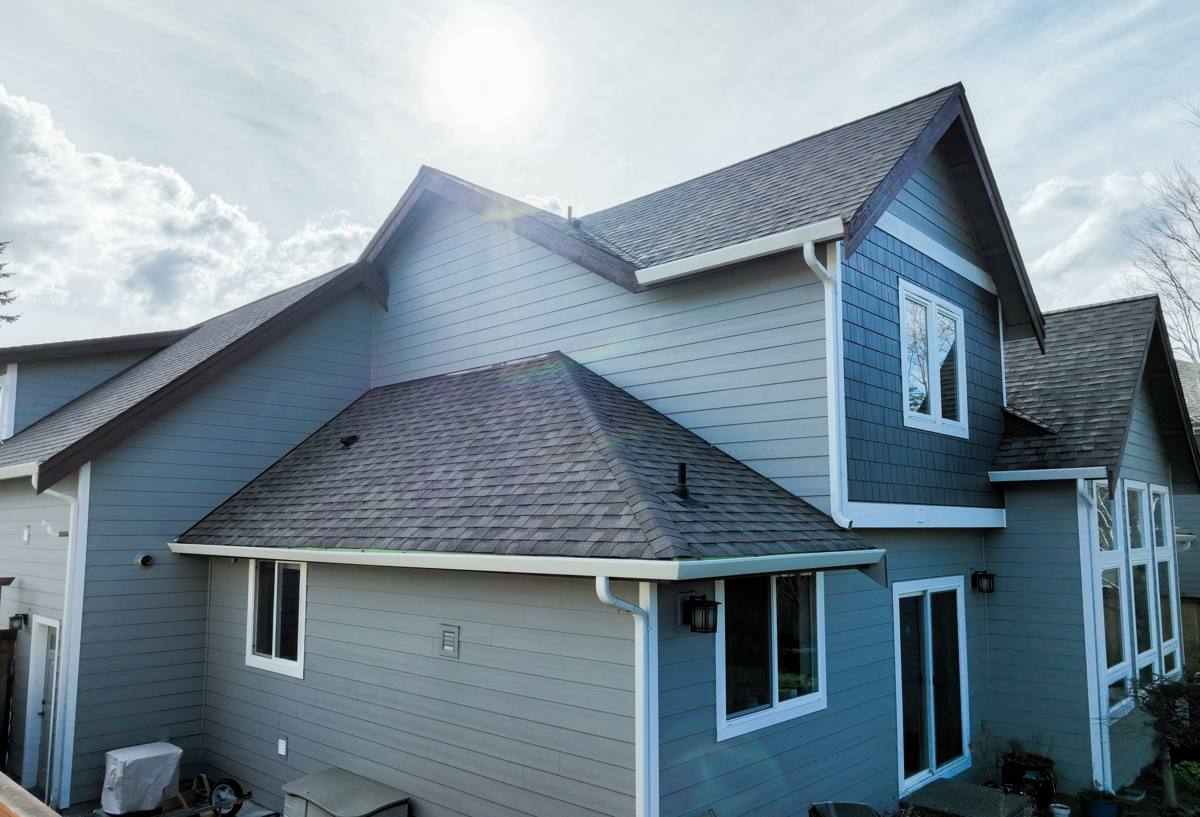
Signs Your Siding Has Reached the End of Its Useful Life
Most Brandon homeowners don't replace siding on a schedule — they replace it when it starts causing problems. Here's what we look for on an inspection, and what you can check yourself before calling anyone:
- Soft, spongy, or crumbling spots when you press on the siding (a strong sign of moisture damage underneath)
- Visible warping, buckling, or panels that no longer lie flat against the wall
- Paint that's peeling, bubbling, or chalking heavily — especially on south- and west-facing walls that take the most UV
- Cracks or splits, particularly near corners, window trim, and butt joints between panels
- Discoloration or dark streaking that keeps returning even after cleaning
- Rising energy bills with no other explanation — failing siding lets conditioned air escape
- Visible gaps at seams, trim, or fastener points where wind-driven rain can get behind the cladding
One or two of these on their own might mean a repair. Several at once, or any sign of rot at the base of walls or around penetrations, usually means it's time to talk about full replacement before the problem spreads to the sheathing and framing behind it.
Why We Only Install James Hardie Fiber Cement Siding
We get asked why we don't offer vinyl, LP SmartSide, or other engineered wood siding options. It's a fair question, and the honest answer is that we've made a professional judgment call: in a climate like ours, the trade-offs on those products aren't worth it, and we'd rather stand behind one system we know performs than offer several and hope for the best.
Vinyl is affordable and low-maintenance in mild climates, but it softens and can warp in sustained heat, and it's rated to a wind-load ceiling that matters when you're within range of tropical systems. Engineered wood products like LP SmartSide use treated wood strand technology that resists moisture better than raw wood, but they're still wood at the core — if water gets past a compromised seal or caulk joint, swelling and rot can follow, and humidity like ours doesn't give damp wood much chance to dry out.
James Hardie fiber cement is cement, sand, and cellulose fiber — there's no wood core to rot and nothing to soften in the heat. It's non-combustible, holds paint and factory finish far longer than wood-based products, and Hardie engineers specific product lines for high-humidity, high-UV, storm-exposed climates like Florida's. That's the whole reason we standardized on it: one product line, engineered for exactly the conditions Brandon homes face, backed by a manufacturer warranty that's actually meaningful when it's installed to spec.
What Hardie Gets Right for This Climate
| Concern | How James Hardie Fiber Cement Handles It |
|---|---|
| Humidity & moisture | No wood core to absorb water, swell, or rot; engineered for high-moisture climates |
| UV exposure | ColorPlus factory finish is baked-on and resists fading far longer than field-applied paint |
| Wind-driven rain | Properly lapped and flashed installation sheds water even in sideways rain |
| Fire risk | Non-combustible cement composition |
| Salt air (closer to the bay) | Resists the corrosion and pitting that affects some metal and softer materials |
| Long-term appearance | Holds color and shape over decades when installed and maintained correctly |
What a Correct Siding Replacement Actually Involves
Siding replacement isn't just pulling off old panels and nailing up new ones. The parts nobody sees are what determine whether the job lasts 5 years or 30. On every Brandon replacement, that means:
Tear-Off and Inspection
We remove the old siding and inspect the sheathing and framing underneath for rot, moisture damage, or pest issues. This is often the first time a homeowner learns whether there's hidden damage — and it needs to be fixed before anything new goes up, not covered over.
Weather Barrier and Flashing
A correctly installed weather-resistant barrier and properly flashed windows, doors, and penetrations are what actually stop wind-driven rain from reaching your wall assembly. This layer matters more in Hillsborough County's storm pattern than almost anywhere else in the installation.
Fastening and Spacing to Manufacturer Spec
James Hardie siding has specific fastener types, spacing, and clearance requirements — including gaps at the ground, roofline, and trim — that are engineered into the product's warranty. Skipping or shortcutting these is the single most common cause of premature failure on fiber cement, and it's the reason installer experience with this specific product matters as much as the product itself.
Finish, Caulking, and Trim Detail
ColorPlus finish reduces the need for field painting, but seams, trim, and cut edges still need to be sealed correctly to keep moisture out. This is detail work that separates a clean, weather-tight job from one that looks fine on day one and starts failing at the seams within a year or two.
Our Process, Start to Finish
- Free on-site inspection — we look at your current siding, walls, and trim, and talk through what condition things are actually in
- Honest assessment — full replacement, partial replacement, or repair; we'll tell you which one your home actually needs
- Written estimate — product line, color, scope, and price laid out clearly, no pressure to sign on the spot
- Scheduling — we plan around Florida's storm season and give you a realistic timeline
- Tear-off, barrier, and framing check — done before a single new panel goes up
- Installation to manufacturer spec — correct fastening, spacing, flashing, and sealing throughout
- Final walkthrough — we go over the finished job with you before we consider it done
What Drives the Cost of a Siding Replacement
| Factor | How It Affects Cost |
|---|---|
| Home size and wall area | More square footage means more material and labor |
| Current siding condition | Rot or sheathing damage found during tear-off adds repair work before new siding can go on |
| Product line and profile | Hardie offers multiple plank widths, textures, and panel styles at different price points |
| Trim and detail work | Corners, window trim, and architectural detail add labor time |
| Story count and access | Two-story homes and hard-to-access walls take longer to work safely |
| Color and finish | Factory ColorPlus finishes vs. field-painted options carry different costs |
We won't quote a number without seeing your home — siding pricing that's given over the phone without an inspection is usually a rough guess at best. What we can tell you honestly is that fiber cement typically costs more up front than vinyl but less over its lifetime, because it isn't replaced as often and needs far less maintenance in a climate like ours.
Choosing the Right James Hardie Line and Color for Your Home
Hardie's HZ5 product line is engineered specifically for humid, storm-prone climates like Florida's, with moisture and impact performance suited to what Brandon homes actually face. Beyond the technical line, there's real choice in plank width, texture (smooth or woodgrain), and ColorPlus color — and we'll walk you through what tends to hold up well and look right on homes in this area, without pushing you toward whatever's easiest for us to install.
Why a Crew That Already Works Brandon Matters
Siding installation quality depends heavily on whether the crew understands the specific conditions of the area they're working in. A crew that's replaced siding across Hillsborough County knows how local wind exposure, humidity, and storm patterns typically show up as damage, what flashing details matter most on homes built in this region's common construction styles, and how to sequence a job around Florida's rainy season instead of getting caught mid-project. That local pattern recognition is worth more than it sounds — it's the difference between a crew that's guessing and one that's seen the same failure modes on dozens of homes nearby.
It also means faster response if something needs attention after the job is done. A company with an established local presence isn't disappearing after the final invoice.
Keeping Your New Siding Looking Right for the Long Haul
Fiber cement is low-maintenance, not no-maintenance. A simple annual rinse-down to clear pollen, salt residue, and grime keeps the ColorPlus finish looking fresh, and a quick yearly look at caulking around trim and penetrations catches small issues before they become moisture problems. That's a fraction of the upkeep other siding materials demand in this climate, but it's still worth the ten minutes a year.
If your Brandon home's siding is showing wear, or you just want an honest read on whether it's a repair or a replacement situation, we're happy to take a look. Reach out for a free, no-pressure estimate — the form below will get you started.