 Tampa Window
 Why Brandon Roofs Wear Out Faster Than People Expect
Brandon sits inland from Tampa Bay, but that doesn't spare it from the climate stress that wears down roofing systems across Hillsborough County. Between the intense, near year-round UV exposure, the sudden afternoon downpours that roll through every summer, and the hurricane-force winds that pass through the Tampa Bay area during storm season, a roof here is under load almost constantly. Add in the humidity that never really lets up, and you have a set of conditions that ages roofing materials well before their rated lifespan if the installation wasn't done with this climate in mind.
A roof that was correctly designed and installed for a drier, cooler climate simply doesn't hold up the same way in Brandon. Shingles rated for moderate sun exposure can granulate and curl years early under Florida UV. Underlayment that isn't sealed against wind-driven rain lets water track sideways under the shingle line during a tropical storm, long before any water shows up as a ceiling stain. This is why a "new roof" in Brandon needs to mean more than swapping old shingles for new ones — it needs to mean a system built to handle wind uplift, sustained heat, and heavy, fast-moving rain.
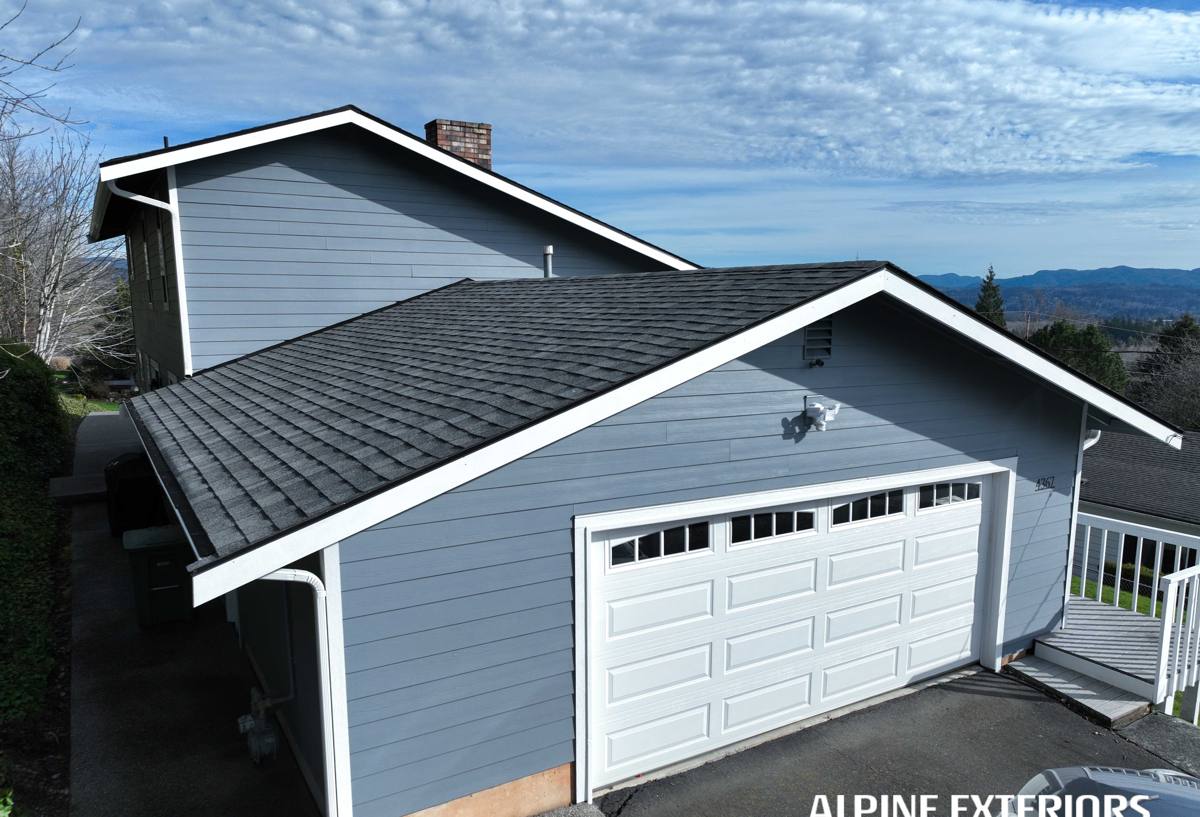
What a Correct New Roof Installation Actually Involves
A roof is a system, not a single product. The shingles or panels on top get all the attention, but the layers underneath them are what actually determine whether a roof survives its first serious storm. A correct installation in Brandon accounts for:
- The condition of the roof deck itself — soft, delaminated, or water-damaged decking has to be replaced, not covered over
- A wind- and water-resistant underlayment appropriate for Hillsborough County's exposure category
- Proper flashing at every penetration, valley, and wall intersection, since these are the places roofs actually fail
- Ventilation that lets heat and moisture escape the attic instead of cooking the underside of the new roofing material
- Fastening patterns and material selection that meet Florida Building Code wind-load requirements for this region
Skipping any one of these doesn't necessarily show up on install day. It shows up eighteen months later as a leak, or during the next tropical system as missing shingles and water intrusion. The visible roofing material is maybe a third of what determines whether the job holds up.
Our Installation Process, Step by Step
Inspection and Tear-Off
We start by removing the existing roofing material down to the deck, not layering over it. Layering over old shingles hides deck problems and voids most manufacturer warranties outright. Once the deck is exposed, we inspect it board by board for soft spots, delamination, and old water damage that wouldn't have been visible from inside the attic.
Deck Repair
Any damaged decking gets cut out and replaced before anything else goes down. This is a step some crews try to shortcut because it adds time and material cost, but installing a new roof over a compromised deck just guarantees a future failure — and it's often not fixable without tearing the new roof back off.
Underlayment and Water Barrier
This layer is arguably more important to the roof's storm performance than the visible shingles. We use underlayment rated for wind-driven rain, with particular attention to sealing around fasteners and laps so wind can't drive water underneath during a storm. Self-adhered membrane goes down in valleys, around penetrations, and along eaves where ice isn't a concern here but wind-driven water intrusion certainly is.
Field Installation and Flashing
Shingles or panels go down according to the manufacturer's high-wind installation specification, not the standard spec, since Hillsborough County's wind zone calls for it. Flashing at chimneys, skylights, sidewalls, and any roof-to-wall transitions gets formed and sealed individually rather than relying on caulk to bridge a bad flashing detail.
Final Inspection
Once the roof is complete, we walk it again looking specifically for anything that could be a future leak point — a missed fastener, a flashing lap that's backwards, a vent boot that's not seated correctly. This is also when the job gets prepared for the county inspection required for the permit.
Choosing the Right Roofing System for a Brandon Home
There isn't one universally "best" roofing material — the right choice depends on the home's structure, the budget, and how the homeowner weighs upfront cost against long-term maintenance. Here's how the common options compare for a Brandon-area installation:
| Roofing Type | Typical Lifespan Here | Wind Performance | Maintenance Considerations |
|---|---|---|---|
| Architectural Asphalt Shingle | 18–25 years | Good, when installed to high-wind spec | Periodic inspection after major storms; moderate UV wear over time |
| 3-Tab Asphalt Shingle | 12–18 years | Fair; more vulnerable to uplift in sustained wind | Shorter lifespan under intense Florida UV exposure |
| Standing Seam Metal | 40–50+ years | Excellent when properly fastened | Higher upfront cost; minimal ongoing maintenance |
| Concrete or Clay Tile | 40–50+ years | Very good; heavy and wind-resistant | Requires structural check for added roof weight; individual tiles can crack from impact |
We don't push one product line over another as a rule — we walk homeowners through the real trade-offs. Metal and tile cost more upfront but spread that cost over a much longer service life and lower maintenance burden. Asphalt shingle systems cost less upfront and remain a solid, code-compliant choice for most Brandon homes when installed correctly with high-wind fastening and proper underlayment.
Cost Factors Worth Understanding Before You Get Quotes
| Factor | Why It Matters |
|---|---|
| Roof pitch and complexity | Steeper roofs and more valleys/hips mean more labor and material waste |
| Deck condition | Rotted or delaminated decking adds material and labor not visible in an initial estimate |
| Layers of existing roofing | Multiple old layers add tear-off time and disposal cost |
| Ventilation upgrades | Older homes often need added ridge or soffit venting to meet current standards |
| Permit and inspection fees | Set by Hillsborough County, required for any full roof replacement |
Permits, Code, and Wind Ratings in Hillsborough County
A full roof replacement in Brandon requires a permit through Hillsborough County, and the finished work has to pass inspection before it's considered complete. The Florida Building Code sets wind-load and fastening requirements specific to this region's wind zone, and those requirements govern everything from nail patterns to underlayment type. This isn't paperwork for its own sake — it's the baseline that determines whether a roof is actually built to survive the wind events this area sees. A contractor who pulls the permit and schedules the inspection is giving you a paper trail that the work was done to code, which matters both for insurance purposes and for resale down the line.
Signs Your Brandon Home May Need a New Roof, Not a Repair
Not every roofing problem calls for full replacement, but there's a point where repeated repairs cost more than they're worth and stop actually solving the problem. Signs worth taking seriously include:
- Shingles that are curling, cupping, or losing granules across large sections of the roof, not just one spot
- Daylight visible through the roof deck from inside the attic
- Soft or spongy spots when walking the roof surface
- Recurring leaks in different locations after previous repairs
- Visible sagging along the roofline
- A roof that's approaching or past the upper end of its material's expected lifespan, especially heading into hurricane season
- Rising energy bills tied to poor attic ventilation or failing insulation under the roof deck
If you're only seeing one or two of these and the roof is still relatively young, a targeted repair is often the more honest recommendation — and we'll tell you that directly rather than upselling a full replacement that isn't needed yet.
Why Hiring a Crew That Already Works Brandon Matters
Roofing crews that work Brandon regularly already know the wind zone requirements, the county's permitting and inspection process, and the way local homes are typically built and vented. That familiarity shows up in small but meaningful ways — knowing which flashing details tend to fail on the housing stock common in this area, understanding realistic scheduling around Tampa's summer storm patterns, and being available for follow-up if something needs attention after the first big storm the new roof goes through. A crew unfamiliar with the area is learning these things on your roof for the first time, which isn't where you want a learning curve to happen.
Maintenance After a New Roof Installation
A correctly installed roof still benefits from basic upkeep. We recommend a visual check after any major storm, keeping gutters clear so water doesn't back up under the roof edge, and trimming back tree limbs that can drop debris or abrade the roofing surface during high wind. Most manufacturer warranties also call for periodic inspection to stay valid, so keeping a simple record of when the roof was checked is worth doing even though it's easy to forget once the new roof is on and the immediate concern is behind you.
If your Brandon home's roof is showing its age or you're planning ahead of the next storm season, we're glad to take a look and give you a straight answer about what it actually needs. Request a free, no-pressure estimate using the form below.