 Tampa Window
 Why Board & Batten Fits Ybor City Homes
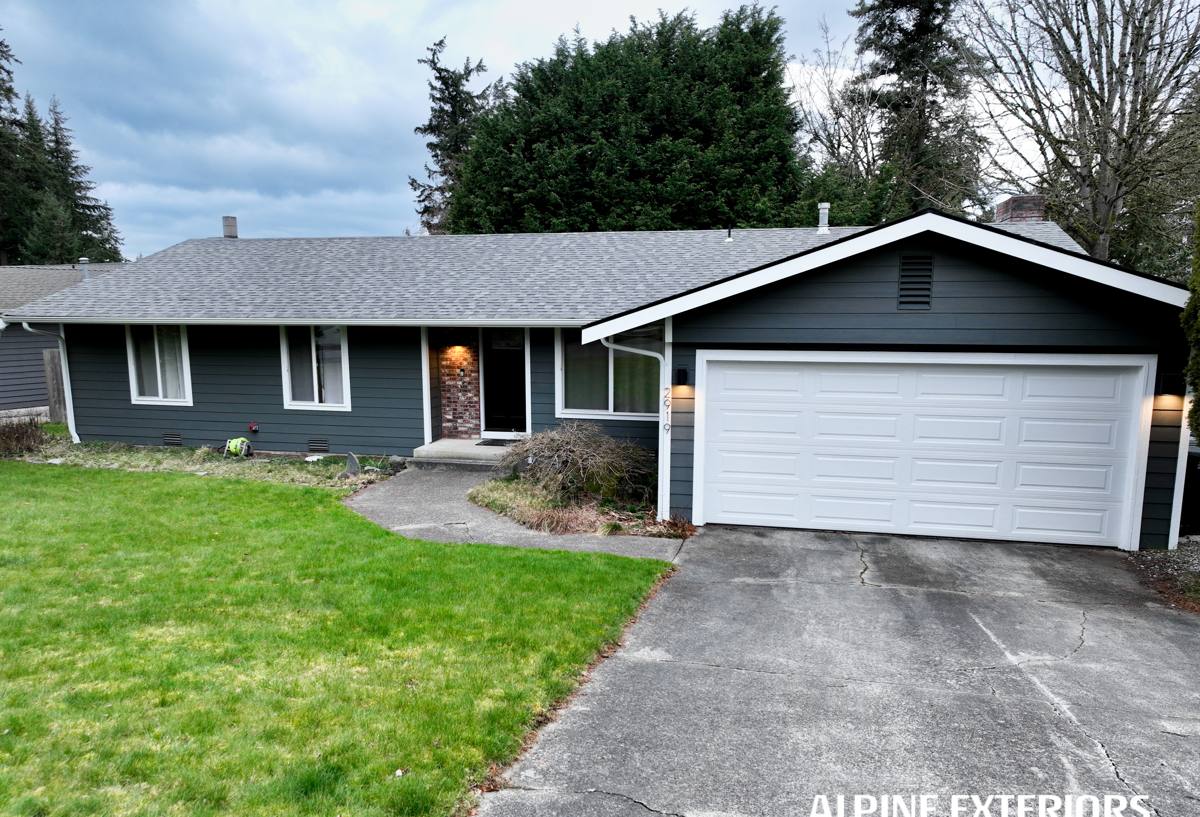
Ybor City is one of Tampa's most visually distinct neighborhoods, with a mix of older bungalows and cottages near the historic core alongside newer infill construction and renovated properties. Board and batten siding works well across that mix. The vertical lines read as classic and craftsman-influenced on older-style homes, while on newer builds it reads clean and modern. It's also a natural fit for gable accents, porch details, or full-home applications when a homeowner wants more texture and shadow line than a flat lap profile gives.
The look matters, but in this part of Hillsborough County, the material behind that look matters more. Board and batten's vertical battens create extra seams and joints compared to horizontal lap siding, and every one of those seams is a place where water, wind, or UV exposure can find a weakness if the wrong product or a rushed install is used.
What Tampa's Climate Actually Does to Exterior Siding
Homes in and around Ybor City deal with a harder combination of stressors than most of the country ever sees. Hurricane-force wind gusts, whether from a direct storm or just a strong summer squall line, put real load on every fastener and panel edge. Wind-driven rain doesn't fall straight down during those events — it drives sideways into any gap, seam, or under-flashed joint. Add in near year-round UV exposure that's far more intense than in northern climates, plus the salt-laden air that drifts in off Tampa Bay and accelerates corrosion of fasteners and metal trim, and you have a climate that will expose any shortcut in material or installation within a few years, not a few decades.
That's the backdrop for every recommendation on this page. Board and batten siding done right in Ybor City has to be engineered for this climate specifically, not just installed and hoped for.
Why We Only Install James Hardie Fiber Cement Board & Batten
We get asked why we don't offer vinyl or wood board and batten, since both are common and both have real strengths. Here's the honest answer.
Vinyl Board & Batten
Vinyl is affordable and low-maintenance in mild climates. In Tampa's heat and direct sun, dark colors can warp or distort over time, and vinyl generally isn't rated for our wind speeds without extra bracing and shorter fastening intervals. Up close, it also reads as plastic rather than a milled board, which matters on a style-forward profile like board and batten.
Wood Board & Batten (Cedar or Primed Spruce)
Real wood looks excellent on day one. The problem is what happens after that: Florida's humidity and salt air push moisture into wood siding constantly, and that means ongoing repainting, caulking, and inspection to stay ahead of rot, cupping, and pest damage. It's a real, legitimate product — it's just a high-maintenance one for this specific climate.
LP SmartSide and Other Engineered Wood
Engineered wood siding carries similar moisture sensitivity to solid wood, particularly at cut edges and butt joints. If every seam isn't sealed correctly and maintained over time, moisture can work into the substrate and cause swelling or delamination — a risk that's higher here than in drier regions.
We standardized on James Hardie fiber cement because it's non-combustible, it's engineered in climate-specific product lines (including the HZ10 formulation built for humid, high-moisture regions like ours), it holds its factory-applied ColorPlus finish far longer under intense UV than field-painted materials, and it's backed by a strong transferable warranty when the installation follows Hardie's specifications. That last part — installed to spec — is the part most homeowners never get told matters as much as the product itself.
What a Correct Board & Batten Installation Involves
Substrate and Moisture Management
Before a single board goes up, the wall needs a properly lapped weather-resistive barrier, correct flashing at every window, door, and penetration, and a drainage plane that lets any incidental moisture escape rather than sit against the sheathing. This step is invisible once siding is on, which is exactly why it's the step most often shortcut by crews trying to move fast.
Batten Layout and Fastening
Batten spacing and fastener placement aren't just aesthetic choices — they're engineering choices tied to Hardie's fastening schedule for our wind zone. Corrosion-resistant fasteners are non-negotiable this close to Tampa Bay's salt air; the wrong fastener can start rusting and staining within a couple of years.
Joints, Trim, and Finish
Every butt joint and trim intersection needs to be treated correctly — proper gapping, sealant compatible with the factory finish, and flashing behind any horizontal trim so water sheds outward instead of pooling. The factory ColorPlus finish is part of what makes Hardie low-maintenance, but only if the installation doesn't compromise it with field cuts left unsealed or caulk used where flashing should be.
Our Process From Estimate to Finished Install
- Site assessment — we look at the existing siding or exposed substrate, wall condition, and any moisture or rot issues before quoting anything.
- Substrate prep — repair or replace any damaged sheathing and install a correct weather-resistive barrier and flashing.
- Tear-off (if applicable) — removal of old siding and disposal, keeping the site clean and protected.
- Installation — battens and panels installed per James Hardie's fastening schedule and local building code for our wind zone.
- Final inspection and walkthrough — we check seams, trim, and fastening before calling the job done, and walk the homeowner through the finished work.
Board & Batten Material Options Compared
| Material | Wind/Storm Performance | Moisture Behavior | Maintenance | Typical Finish Life |
|---|---|---|---|---|
| James Hardie Fiber Cement | Engineered and rated for high-wind zones | Non-combustible, dimensionally stable, resists moisture-driven swelling | Low — factory ColorPlus finish, no regular repainting | Long-lasting factory finish backed by warranty |
| Vinyl | Often needs extra bracing to meet local wind speeds | Doesn't rot, but can warp or distort under heat | Low, but limited repair options if damaged | Color can fade with prolonged UV exposure |
| Wood (Cedar/Primed Spruce) | Performance depends heavily on installation quality | Absorbs moisture; vulnerable to rot in humid climates | High — regular painting, caulking, inspection | Finish requires recoating on a recurring schedule |
| Engineered Wood (LP SmartSide) | Performance depends on sealing at edges/joints | Sensitive at cut edges and seams if not maintained | Moderate — seam and edge maintenance needed | Finish life tied to ongoing seam maintenance |
Maintenance and Lifespan in the Tampa Climate
One advantage of a correctly installed Hardie board and batten system is how little ongoing work it asks for compared to wood or even some vinyl setups. Homeowners still benefit from a couple of simple habits: rinsing accumulated salt residue and grime off the siding periodically, especially on homes closer to the bay, and doing a quick visual check of caulking and trim joints after hurricane season each year. Because the color is baked into the ColorPlus finish at the factory rather than field-applied, there's no repainting cycle to manage the way there is with wood.
What Affects the Cost of a Board & Batten Project
Every home is different, but the same handful of factors drive most quotes up or down:
- Total square footage of siding being installed
- Whether it's a tear-off of existing siding or new/bare substrate
- How much substrate repair is needed once old siding comes off
- Amount of trim, corner, and accent detail in the design
- Accessibility of the home — multi-story sections or tight lot lines common in older Ybor City neighborhoods can affect labor and equipment needs
- Any permitting requirements tied to the property's location
We walk through each of these during the in-person estimate so the number reflects your actual home, not a generic square-footage rate.
Why Hiring a Crew That Already Works in Ybor City Matters
Older Hillsborough County neighborhoods come with their own quirks — framing and substrate conditions that differ from new construction, prior repairs that need to be accounted for, and in some cases historic district considerations that affect what changes are allowed on a home's exterior. A crew that regularly works in Ybor City has already dealt with these situations and knows what to check for before the first panel goes up, rather than discovering a problem mid-job. That familiarity, combined with fastening and flashing done to the standard this climate actually requires, is what keeps board and batten siding performing years after the crew has left.
If you're considering board and batten siding for a home in Ybor City, we're happy to take a look and put together a free, no-pressure estimate — just fill out the form below.