 Tampa Window
 Why Wesley Chapel Roofs Take a Different Kind of Beating
Wesley Chapel sits just north of the Hillsborough County line, close enough to Tampa to share every weather pattern that moves through the region but growing fast enough that a huge share of its roofs are still relatively young. That combination matters. Hurricane-force wind events that pass through the greater Tampa area don't lose much punch by the time they reach this far inland, the sun here puts out some of the most intense year-round UV in the country, and wind-driven rain off summer thunderstorms finds its way into a roof's weak points long before the shingle field itself ever fails. Homes here are far enough from open water that salt air isn't the constant factor it is on the coast, but the wind, heat, and rain cycle more than makes up the difference over the life of a roof.
Asphalt shingles are still the right call for the overwhelming majority of homes in this area — they're proven, cost-effective, and easy to repair in sections when something does go wrong. What separates a roof that lasts from one that doesn't isn't usually the shingle brand. It's whether the roof underneath the shingles, and the way those shingles were actually fastened down, were built for what this climate does to a house year after year.
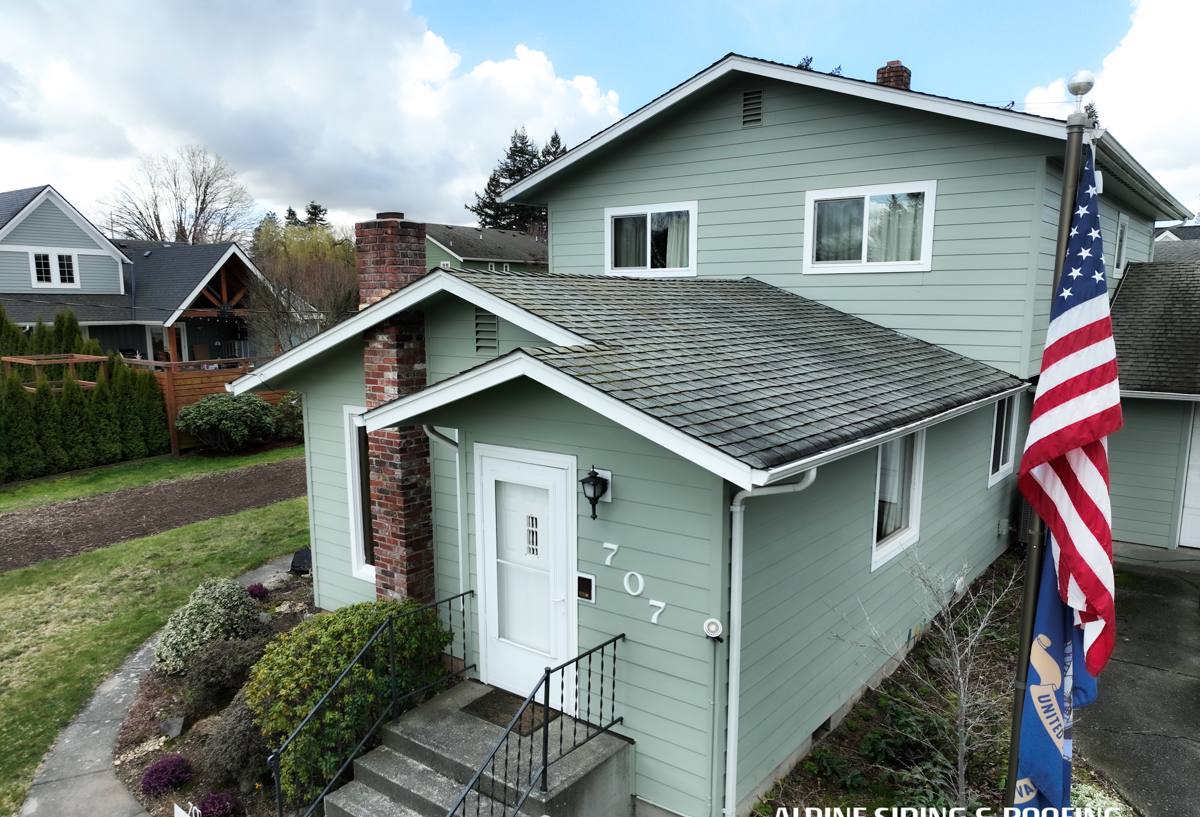
What a Correct Job Actually Requires Here
Wind Resistance That Holds Up
Shingles almost never fail in the middle of an open roof field. They fail at the edges, at the seal strip, and wherever the nailing pattern was rushed or placed too high. A roof that's actually built for wind exposure needs three things working together: a shingle rated for that exposure, a nailing pattern that matches the manufacturer's spec for this wind zone, and a seal strip that bonded properly because the shingle was set correctly the first time. Skip any one of those and the other two don't matter much.
Heat and UV That Never Really Let Up
A shingle roof under direct Florida sun runs hot for most of the day, most of the year, and that sustained heat load does more damage to the asphalt and its protective granules than most homeowners realize. It's a big part of why attic ventilation is treated as a core part of the job here rather than an afterthought — a well-vented roof simply ages slower than an identical one that isn't.
Water That Gets Pushed Sideways, Not Just Down
Straight rain is easy for any roof to handle. Wind-driven rain is a different problem — it gets forced up and under tabs, into valleys, and around every pipe boot and wall flashing on the roof. Flashing and underlayment do the real work at those spots, not the shingles themselves, and that's exactly where the leaks we get called out for almost always originate.
A High Volume of Wet-and-Dry Cycles
This part of Florida goes through daily summer storm patterns for months at a stretch, which means a roof here cycles through wetting, drying, and thermal expansion far more often than a roof in a milder, drier climate. That repeated cycling is a big reason underlayment quality and flashing detail carry more weight in this market than they might elsewhere.
Newer Neighborhoods, Older Assumptions
A lot of Wesley Chapel's housing stock went up during the area's rapid growth over the last two decades, and much of it shipped with a builder-grade shingle package — a reasonable choice on a production timeline, but not necessarily the strongest spec for a Florida roof's full service life. That means plenty of homes that still look new are actually approaching their first reroof, and it's worth going in knowing what your original roof really was rather than assuming a good-looking roof is automatically a well-built one. If your home is in that 15-to-20-year range, or storm damage is forcing an earlier decision, a reroof is a natural point to correct ventilation and underlayment gaps a first-run builder spec may have left on the table, without paying for upgrades the house doesn't need.
HOA Approval Before Material Gets Ordered
Most Wesley Chapel communities operate under an HOA or architectural review process, and roofing is almost always on the list of things it governs — shingle color at minimum, sometimes the product line or manufacturer too. Don't assume your current color is still on the approved list; some associations have revised their palettes over the years. We're glad to work within whatever your community requires, but that approval needs to happen before shingles are ordered, not after, or it becomes the thing that stalls the job once the crew is ready to start.
What's Under the Shingles Matters as Much as the Shingles
A shingle roof is only as good as the deck and underlayment beneath it, and that's the part nobody sees once the job is finished — which is exactly why it's the part most likely to get shortchanged on a cheap reroof. Before any new material goes down, the deck has to be checked for soft spots, delaminated sheathing, and fasteners that have worked loose. Skipping that inspection to save a day is one of the most common shortcuts in this trade, and one of the most expensive to discover later.
Florida's building code requires a secondary water barrier in hurricane-prone counties, Hillsborough and Pasco included, so the house has a fighting chance even if a storm damages or lifts shingles. That means self-adhering, high-temperature underlayment at eaves, valleys, and other high-risk spots, and a synthetic underlayment across the rest of the field — synthetic holds up to Florida heat and job-site foot traffic noticeably better than old-style felt.
Our Installation Process, Step by Step
Every one of these steps earns its place given what a Wesley Chapel roof has to survive:
- Full tear-off to the deck so the deck can actually be inspected, not covered over.
- Deck repair, replacing any sheathing that's soft, warped, or compromised before anything new goes on.
- Drip edge installation at eaves and rakes so water is directed into the gutter, not behind the fascia.
- Secondary water barrier and underlayment — self-adhering membrane at eaves and valleys, synthetic underlayment across the field.
- Valley protection installed before field shingles, since valleys handle the heaviest concentrated water flow on the roof.
- Starter course set along the eaves with correct adhesive-strip orientation to seal the first row above it.
- Field shingles installed with a wind-rated nailing pattern, generally six nails per shingle in this exposure zone, driven into the reinforced nailing strip.
- New flashing at every wall, chimney, and penetration — step flashing and counterflashing, not sealant standing in for a proper detail.
- Ridge vent and cap installation to close out the ventilation path.
- Full site cleanup and magnet sweep, then a final walk-through of the finished roof with you.
Matching the Shingle to the House
Not every asphalt shingle performs the same, and in this climate the gap between tiers shows up faster than it would somewhere milder. Here's the honest breakdown of what's available and how each holds up locally.
| Shingle Category | Wind Performance | Heat and UV Durability | Where It Fits |
|---|---|---|---|
| Standard 3-tab | Meets minimum code but with less margin in a direct hit | Granule loss and curling show up sooner under constant sun | Lowest cost option; shortest realistic lifespan here |
| Architectural / laminate | Higher wind ratings with proper nailing; thicker, more rigid construction | Noticeably better resistance to curling and UV breakdown | The practical middle ground most Wesley Chapel homeowners land on |
| Premium / designer laminate | Among the highest wind ratings available in asphalt | Best granule and UV resistance in the category | Worth it for homeowners planning to stay long-term or wanting maximum storm margin |
For most homes in this area, an architectural shingle with algae-resistant granules is the sensible default — a meaningful upgrade over 3-tab for a modest price difference. We'll go over what actually makes sense for your roof and budget rather than pushing whichever line happens to pay the best margin.
Ventilation Is Not an Optional Extra
An asphalt roof with poor attic ventilation ages faster than an identical one that's properly vented, even sitting under the exact same sun. Trapped heat radiates back up into the shingles from underneath while UV works on them from above, and trapped humidity has nowhere to escape. Left unaddressed, that combination shows up as early curling, cracking, and granule loss, plus a hotter attic pushing your cooling costs up. Proper ventilation means balanced intake at the soffits and exhaust at the ridge, working as one system rather than a collection of vents that look right individually but don't move air together. A lot of the production-built homes in this area weren't dialed in correctly on that balance the first time, so we check the existing setup on every reroof and correct it where it's undersized, rather than just replicating whatever was already there.
Signs Your Roof Is Telling You Something
Most shingle roofs give warning before a leak ever shows up inside the house. Worth a closer look if you're seeing any of the following:
- Granules building up in gutters or downspouts after a hard rain
- Shingle edges curling, cupping, or lifting instead of lying flat
- Cracked, torn, or missing shingles after a windstorm, even if the roof looks fine from ground level
- Exposed nail heads where a shingle has shifted out of place
- Dark streaking on north-facing slopes, typically algae growth
- Soft or spongy spots underfoot, or sagging visible from the ground
- Daylight coming through the roof deck when you're in the attic
- Cooling bills climbing without any other clear explanation
None of these means the roof is failing tomorrow, but any of them is worth a real inspection rather than waiting for a stain to show up on a ceiling. Catching a problem at the shingle or flashing stage is far cheaper than catching it once it's reached the deck or the drywall.
Why a Locally Established Crew Makes a Real Difference
Pasco County handles roofing permits and inspections a little differently than Hillsborough County does, and a crew that pulls permits in this specific area regularly moves through that process without the delays a contractor new to the county tends to run into. Local familiarity also means a better read on how the production-built subdivisions here are typically framed and vented, and a clearer sense of what a given HOA's architectural review will actually ask for, which cuts down on surprises once tear-off starts.
That local presence matters even more in the weeks after a major storm, when material and labor across the whole Tampa Bay region tighten up fast. A contractor with an established base and steady supplier relationships in this market is simply better positioned to get to your roof without the long backlog that follows a bad storm season. It won't eliminate every delay a rough season can cause, but it's a real edge over a crew with no ongoing presence in this part of the county.
If you're weighing a reroof, sorting out storm damage, or just want a straight answer on where your current roof stands, we're happy to take a look. Use the form below to schedule a free, no-pressure estimate.