 Tampa Window
 Asphalt Shingle Roofing Built for Brandon's Climate
Brandon sits inland from Tampa Bay in Hillsborough County, but "inland" doesn't mean sheltered. Homes here still take the full brunt of Florida's weather cycle: months of intense, direct UV exposure, sudden wind-driven downpours in the summer, and the real possibility of hurricane-force winds during storm season. Add in the salt-laden air that drifts across the greater Tampa area from the Gulf, and you have a combination that ages a roof faster than most homeowners expect. An asphalt shingle roof that's installed correctly for this climate can hold up well for decades. One that's installed with shortcuts — a bad nailing pattern, missing flashing details, poor attic ventilation — will show problems in years, not decades.
This page focuses specifically on asphalt shingle roofing for Brandon homes: what the local climate demands, what a correct installation actually involves, and how we approach the job so it holds up under Hillsborough County conditions.
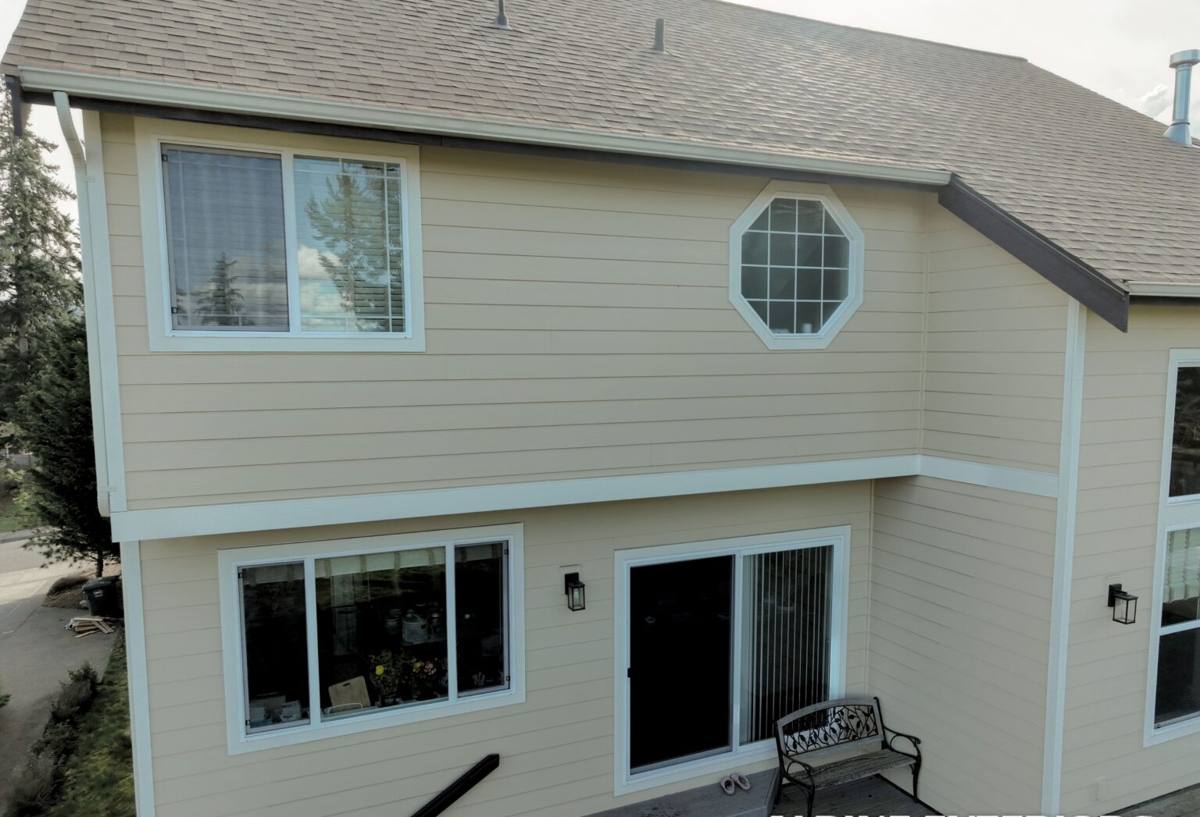
What Brandon's Weather Actually Does to a Roof
It helps to understand the specific stresses at play, because they shape every decision in a proper installation.
UV and Heat
Florida sun is relentless for most of the year. UV exposure breaks down the asphalt binders in shingles over time, causing granule loss, brittleness, and eventually cracking. Attic heat compounds this — a poorly ventilated attic can push roof deck temperatures high enough to accelerate shingle aging from underneath as well as from the sun above.
Wind-Driven Rain
Summer storms in this area rarely fall straight down. Wind pushes rain sideways and up under shingle edges, which is why proper underlayment, sealed shingle tabs, and correctly lapped flashing matter more here than in drier, calmer climates.
Hurricane-Force Wind Events
Even when a storm's worst winds pass well south or north of Hillsborough County, Brandon can still see sustained winds and gusts strong enough to lift poorly fastened shingles. Nailing pattern, shingle wind rating, and starter strip installation are not cosmetic details — they're the difference between a roof that stays intact and one that loses shingles in the first serious blow.
Salt Air and Humidity
Even away from the immediate coastline, the Tampa Bay region's humidity and salt content in the air contribute to faster corrosion of exposed metal — flashing, fasteners, and vent components — if lower-grade materials are used.
What a Correct Asphalt Shingle Roof Involves
A shingle roof is a system, not a single product. Skipping or shortcutting any layer weakens the whole thing.
- Roof deck inspection and repair: Any soft, delaminated, or water-damaged plywood or OSB gets replaced before anything goes over it. Shingles installed over a compromised deck will fail early regardless of quality.
- Underlayment: A synthetic or felt underlayment layer protects the deck if wind or wear ever compromises the shingles above it. In valleys and other vulnerable areas, self-adhering waterproof membrane adds an extra layer of protection against wind-driven rain.
- Drip edge and starter strip: Properly installed metal drip edge at eaves and rakes, paired with a correctly set starter course, keeps wind from getting underneath the first row of shingles — a common failure point in wind events.
- Field shingle installation: Correct exposure, alignment, and — critically — the manufacturer's specified nailing pattern (number and placement of fasteners) for the shingle's rated wind speed.
- Flashing: Step flashing at walls, counter-flashing at chimneys, and proper pipe boot and vent flashing seal the points where a roof is most likely to leak.
- Ventilation: Intake and exhaust ventilation that lets the attic breathe, reducing heat buildup and moisture accumulation.
- Ridge cap: The finishing shingles along the roof's peak, installed to shed water and resist uplift at one of the highest-wind-exposure points on the roof.
Choosing the Right Shingle for a Brandon Home
Not every asphalt shingle product is built the same, and the right choice depends on budget, roof style, and how much wind and impact resistance a homeowner wants built in.
| Shingle Type | Typical Wind Rating | Relative Cost | Best For |
|---|---|---|---|
| 3-Tab Shingles | Lower end of the range | $ | Budget-focused replacements, simpler roof lines |
| Architectural (Laminate) Shingles | Mid to upper range | $$ | Most Brandon homes — better wind performance and a dimensional look |
| Impact-Rated / High-Wind Shingles | Highest available | $$$ | Homeowners prioritizing storm resilience and potential insurance credits |
For most homes in this area, we steer conversations toward architectural shingles. They carry better wind ratings than basic 3-tab products, tend to hide minor roof deck imperfections better, and hold up more consistently under the UV load this region delivers. Impact-rated shingles cost more up front but can be worth discussing with an insurance agent — some carriers offer premium credits for wind- or impact-rated roofing in Hillsborough County.
A Note on Product Selection
We install from established, warrantied shingle manufacturers rather than the cheapest available product on any given day. Our reasoning isn't brand loyalty — it's that consistent granule adhesion, sealant strip performance, and warranty support matter more in a high-UV, high-wind climate than they might elsewhere. We're happy to walk through specific manufacturer options and warranty terms during an estimate.
Ventilation: The Step Homeowners Often Don't See
Attic ventilation doesn't show up in a driveway photo, but it has an outsized effect on how long a Brandon roof lasts. Poor airflow traps summer heat, which:
- Accelerates shingle aging from the underside
- Raises cooling costs by pushing heat into living spaces below
- Traps humidity that can encourage wood rot and mold in the attic structure
A correct ventilation setup balances intake (typically soffit vents) with exhaust (ridge vents or other roof-level exhaust), sized appropriately for the attic's square footage. We check and, where needed, correct ventilation as part of any full roof replacement — not as an upsell, but because installing new shingles over an under-ventilated attic just shortens the life of the new roof.
Signs a Brandon Roof Needs Attention
Most shingle roof failures give warning signs well before a leak shows up inside the house. Worth checking for periodically, especially after a significant storm:
- Granules collecting in gutters or at downspout outlets
- Shingles that look curled, cupped, or cracked
- Missing shingles or exposed nail heads after a wind event
- Dark streaking or staining across the roof surface
- Soft spots, sagging, or visible daylight through the attic decking
- Rising energy bills without another clear explanation
- Visible rust or lifting at flashing points around chimneys, walls, or vents
Catching these early — through a self-check or a professional inspection — is almost always cheaper than waiting for an active leak.
How Our Roofing Process Works
- Inspection and assessment: We evaluate the current roof, deck condition, ventilation, and flashing details, and take photos to document what we find.
- Honest scope and estimate: We explain what's actually needed — repair versus replacement — along with shingle options and a written estimate.
- Tear-off and deck inspection: Old roofing material comes off completely so the deck underneath can be properly inspected and any damaged sections replaced.
- Underlayment and flashing installation: Synthetic underlayment goes down, with self-adhering membrane in valleys and other vulnerable areas, followed by new drip edge and flashing at every penetration and wall intersection.
- Shingle installation: Starter strip, field shingles, and ridge cap installed to manufacturer specifications, including the correct nailing pattern for the product's rated wind speed.
- Ventilation check: Intake and exhaust ventilation confirmed or corrected as part of the job.
- Cleanup and final walkthrough: Job site cleared of debris and nails (magnetic sweep included), with a final walkthrough so the homeowner can see the finished work.
Wind Ratings, Building Codes, and Insurance
Hillsborough County roofing work is governed by the Florida Building Code, which sets wind-resistance and installation standards specific to our region. This isn't paperwork for its own sake — it directly affects how well a roof performs in the kind of wind events that pass through Central Florida most hurricane seasons. Beyond code compliance, many insurance carriers now ask for documentation of shingle wind rating, underlayment type, and installation method when writing or renewing a homeowner's policy. We provide documentation homeowners can hand to their insurance agent, and we're glad to answer questions about how a given installation choice may affect coverage or premiums — though final insurance decisions always rest with the carrier.
Maintenance That Extends Roof Life
A well-installed asphalt shingle roof still benefits from basic upkeep in this climate:
- Keep gutters clear so water doesn't back up under the roof edge
- Trim back overhanging branches that drop debris or scrape shingles in wind
- Have the roof inspected after any major storm, even if no leak is visible
- Address small flashing or sealant issues promptly, before they become deck damage
- Schedule a general inspection every couple of years, even without a specific concern
Why It Matters to Hire a Crew That Already Works in Brandon
Roofing standards on paper are the same everywhere in Hillsborough County, but the practical judgment calls — how much ventilation a specific attic layout actually needs, which flashing detail tends to give a particular roof style trouble, how a shingle product has performed through recent storm seasons in this specific area — come from doing the work here repeatedly. A crew that regularly works in and around Brandon has already seen how local roof styles, tree cover, and storm patterns interact, and brings that judgment to every estimate and installation rather than treating each job as a blank slate.
If you're dealing with visible roof damage, planning ahead for a roof nearing the end of its service life, or simply want an honest assessment of where things stand, we're glad to take a look. Reach out for a free, no-pressure estimate using the form below — we'll walk the roof, explain what we find in plain terms, and let you decide from there.