 Tampa Window
 Why Valrico Roofs Take a Beating
Valrico sits inland from Tampa Bay but still gets the full menu of Florida roofing stress: tropical storm and hurricane-force wind gusts, sideways rain that finds every gap in flashing, and some of the most intense year-round UV exposure in the country. None of that damage announces itself all at once. A roof usually takes a hit during one storm, holds together well enough that nobody notices from the ground, and then fails quietly over the following weeks as water works its way into the decking. By the time a stain shows up on a ceiling, the damage underneath is often already worse than the stain suggests.
Wind-Driven Rain and Roof Penetrations
Straight-line wind gusts in Hillsborough County during storm season don't just lift shingles — they drive rain sideways and upward under the roof edge, around vent boots, and along flashing at chimneys, skylights, and roof-to-wall transitions. Those are the places a repair has to get right, because a shingle that looks fine on the surface can still be sitting over a seal that's been compromised at the edge.
UV and Heat Cycling
Between storms, Central Florida sun bakes shingles, tile, and metal roofing day after day. That constant heating and cooling cycle dries out asphalt, makes sealant brittle, and leaves a roof more vulnerable the next time a storm rolls through. A roof that's already UV-stressed will show storm damage faster and more visibly than a newer one — which is part of why two houses on the same street can come through the same storm looking very different.
Salt Air and Metal Components
Valrico is far enough inland that salt exposure is lighter than it is right on Tampa Bay, but the Gulf Coast humidity and occasional salt-laden wind still accelerate corrosion on exposed fasteners, flashing, and metal roof panels over time. Corroded fasteners are a common hidden cause of leaks that show up right after a storm, even when the shingles above them look intact.
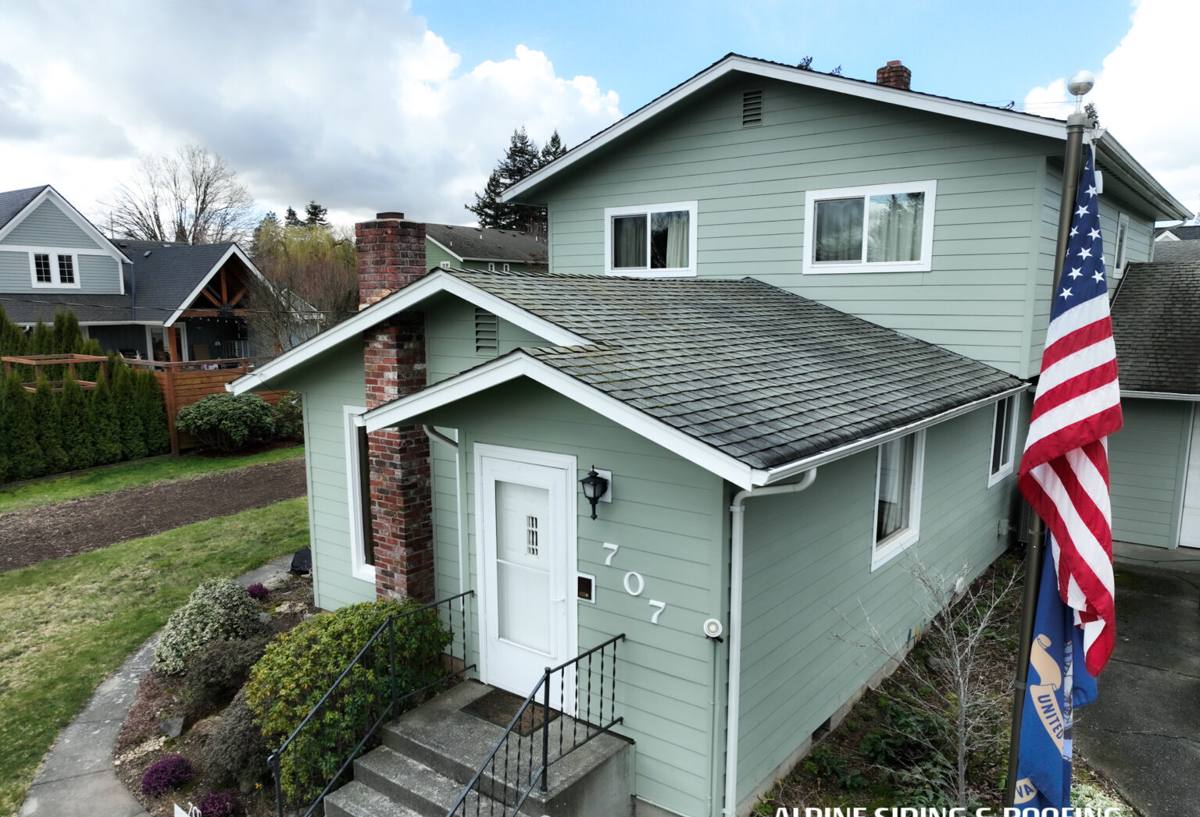
Signs Your Valrico Roof May Have Storm Damage
Some storm damage is obvious. Most of it isn't. After any significant wind or hail event, it's worth walking the property and checking for the following:
- Missing, lifted, or curling shingles, especially along ridges and roof edges
- Granules collecting in gutters or at downspout outlets
- Bent, missing, or misaligned flashing around chimneys, vents, and skylights
- Dented or dislodged roof vents, gutters, or metal drip edge
- Soft or spongy spots when walking the roof (a sign of saturated decking)
- New water stains, discoloration, or a musty smell in the attic or on ceilings
- Daylight visible through the roof deck from inside the attic
- Cracked or displaced tiles on tile roofs
None of these on their own always mean a full replacement is needed — but each one is worth a proper inspection rather than a guess from the ground.
What a Correct Storm Damage Repair Actually Involves
A Full Assessment, Not Just a Patch
The most common mistake we see in storm repairs isn't bad workmanship — it's an incomplete scope. A crew patches the visible damage, the homeowner is satisfied that the leak stopped, and six months later a second leak shows up two feet away because the underlayment around the original damage was never checked. A proper repair starts by getting on the roof, checking the decking and underlayment condition around the damaged area, not just at it, and confirming there isn't a second point of entry the storm created.
Matching Materials Correctly
Shingles fade and weather over time, so a patch using brand-new material next to older roofing will often stand out. More importantly, mixing incompatible products — the wrong shingle profile, an underlayment that doesn't pair well with the existing system, or fasteners that don't match the roof's wind-rating requirements — can undercut both the repair's performance and the manufacturer's warranty coverage on the rest of the roof. We match products and installation methods to what's already on the house whenever possible, and we're upfront when an exact match isn't available.
Flashing, Vents, and Penetrations Get Rechecked
Because wind-driven rain concentrates at transitions and penetrations, any competent storm repair includes inspecting and, where needed, replacing flashing and vent boots near the damaged area — not just the shingles or tiles themselves. Skipping this step is the single most common reason a "fixed" roof leaks again in the next storm.
Repair or Replace? How We Help You Decide
Not every storm-damaged roof needs to come off. The right call depends on the roof's age, how widespread the damage is, and what's happening underneath the surface layer. We walk homeowners through this honestly rather than defaulting to the most expensive option.
| Factor | Leans Toward Repair | Leans Toward Replacement |
|---|---|---|
| Roof age | Under roughly half its expected lifespan | Near or past its expected lifespan |
| Damage extent | Localized to one section or slope | Spread across multiple slopes or the whole roof |
| Decking condition | Dry, solid decking around the damage | Soft, delaminated, or repeatedly wet decking |
| Prior repair history | First significant repair on this roof | Multiple past repairs in different areas |
| Typical cost impact | Lower — targeted material and labor | Higher — full tear-off and new system |
When a roof is borderline, we'll say so, and explain the trade-offs rather than pushing toward whichever option is more profitable for us. A well-executed repair on a sound roof is often the smarter move; a repair on a roof that's already at the end of its service life is usually just deferring a bigger bill.
Our Storm Repair Process for Valrico Homes
- Inspection and documentation — We get on the roof (weather permitting) and document the damage with photos, both for your records and to support any insurance claim.
- Temporary protection — If there's active exposure, we prioritize stopping water intrusion first, even before the permanent repair is scheduled.
- Written scope and materials plan — You get a clear explanation of what's damaged, what needs to be repaired versus replaced, and what materials we're using and why.
- The repair itself — Decking, underlayment, flashing, and roofing material are addressed as needed, not just the top layer.
- Final walkthrough — We review the completed work with you before considering the job done, including anything you should watch for going forward.
Insurance Claims and Storm Repairs
Many storm repairs in Hillsborough County involve a homeowner's insurance claim. We're not a public adjuster and we don't handle the claim on your behalf, but we can provide clear photo documentation, a written damage assessment, and an itemized repair estimate — the kind of paperwork that makes it easier for you or your adjuster to evaluate the claim accurately. If an insurance estimate doesn't match what we find on the roof, we'll explain the discrepancy in plain terms so you have the information to follow up.
Why Local Experience in Valrico and Hillsborough County Matters
A crew that regularly works roofs in and around Valrico already understands the housing stock common to the area, the roofing systems typically installed here, and the permitting and code requirements Hillsborough County applies to roof repair work. That familiarity shortens the inspection-to-repair timeline, reduces surprises once work starts, and means fewer generic assumptions borrowed from a roofing climate that isn't Florida's. After a wide storm event, response time also matters — a company already established in the Tampa area can typically get to a damaged roof faster than one traveling in from farther out, which matters when the goal is limiting water intrusion, not just eventually fixing it.
Keeping Your Roof Ready Between Storms
Storm damage is easier to repair correctly, and cheaper to repair overall, when the rest of the roof is in good condition going in. A few habits help:
- Clear gutters and downspouts before storm season so water has somewhere to go
- Trim back tree limbs that could strike the roof in high wind
- Have loose or lifted shingles addressed promptly rather than waiting for the next storm to finish the job
- Schedule a roof check after any named storm, even if nothing looks obviously wrong from the ground
If your Valrico home has visible storm damage, a suspicious ceiling stain, or you just want a second opinion on an insurance estimate, we're happy to take a look. Fill out the form below for a free, no-pressure estimate — we'll tell you honestly what we find and what it would take to fix it right.