 Tampa Window
 Siding Installation in Temple Terrace
Temple Terrace sits inland from Tampa Bay along the Hillsborough River, which spares it a little of the direct salt exposure that coastal Tampa neighborhoods deal with — but it does not spare it from the rest of what Central Florida throws at a house. Hurricane-force wind gusts, months of intense subtropical UV, wind-driven rain that finds every gap in a wall system, and the humidity that never really goes away between June and October all work on exterior siding year-round. A siding installation here has to be engineered for that environment, not just nailed up to look good on move-in day.
This page covers what siding installation actually involves for a Temple Terrace home, what correct work looks like versus corner-cutting, and why we install James Hardie fiber cement exclusively rather than offering a menu of siding brands.
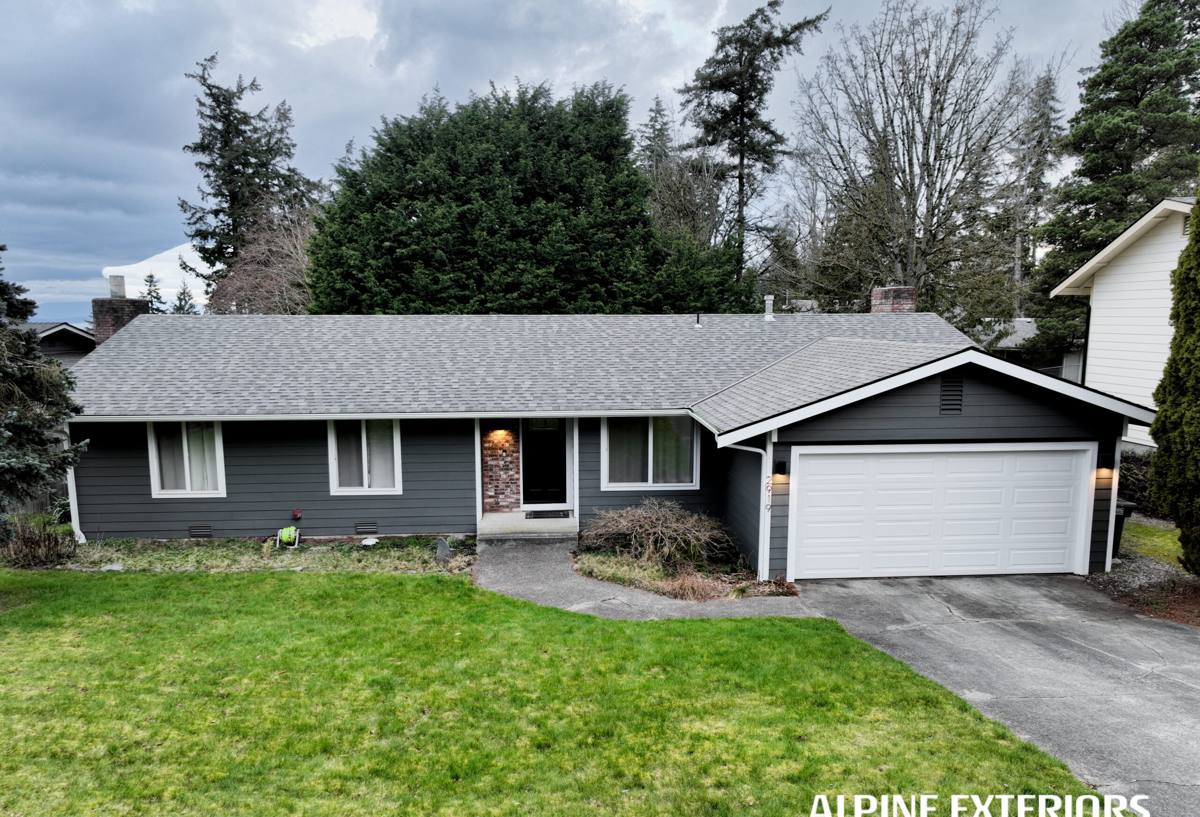
What Temple Terrace's Climate Does to Siding
Temple Terrace's older tree-canopied streets and mid-century ranch homes give the area a lot of character, but that same mature landscaping means more shade cycling, more moisture held against walls after rain, and more organic debris collecting in wall cavities and behind loose trim. Combine that with the broader Hillsborough County climate profile and you get a specific set of stressors:
- UV degradation: Florida sun breaks down pigments and resins in lower-grade siding materials, leading to fading, chalking, and surface embrittlement over years of exposure.
- Wind-driven rain: Summer storms and tropical systems don't just fall straight down — wind pushes rain sideways and up under laps, seams, and trim if flashing and house wrap aren't done correctly.
- Humidity and moisture cycling: Tampa's air holds a lot of moisture most of the year. Siding that absorbs water and swells, or that traps moisture behind it, sets up conditions for rot and mold growth.
- Wind load in storms: Hillsborough County building code requires siding assemblies rated for regional wind speeds. A product or installation that isn't fastened to spec can fail well before a storm reaches its peak winds.
- Pest pressure: Central Florida's termite and wood-boring insect activity is real. Wood-based siding products are a direct food source; the material you choose either resists that pressure or invites it.
None of this is unique to Temple Terrace, but it's the baseline every siding decision in this neighborhood should be measured against.
Why We Only Install James Hardie Fiber Cement
We don't offer vinyl, LP SmartSide, primed wood, cedar, or other fiber cement brands like Allura or Cemplank. That's a deliberate standard, not a lack of options. James Hardie's fiber cement is cement, sand, and cellulose fiber — it doesn't feed pests, it doesn't absorb and swell the way wood-based products can, and it's non-combustible, which matters for insurance conversations as much as safety. Hardie also engineers regional product lines specifically for climates like ours (their HZ5 line is built for humid, high-moisture Southeastern conditions), and the ColorPlus factory-applied finish is baked on under controlled conditions rather than field-painted, which gives more consistent, longer-lasting color performance against Florida UV than most site-applied paint jobs achieve.
We're not going to tell you every other product on the market is junk — plenty of them work fine in the right climate with the right installation. But we've made a professional call: in a market with this much sun, rain, humidity, and wind, fiber cement engineered for the Southeast is what we're willing to put our name behind and warranty. If a homeowner wants a different material, that's a legitimate choice — it's just not one we install.
What Correct Installation Actually Involves
Siding is only as good as the assembly behind it. A quality Temple Terrace siding job includes:
- Removal of old siding and inspection of the sheathing underneath for existing rot, pest damage, or moisture staining before anything new goes up
- Repair or replacement of any compromised sheathing — covering over a soft spot just creates a hidden problem
- A correctly lapped, sealed weather-resistive barrier (house wrap) as the drainage plane behind the siding
- Proper flashing at every window, door, roofline, and penetration so water is directed out and down, never trapped
- Correct fastener type, spacing, and depth per Hardie's published installation specs — this is where a lot of installers cut corners and it's invisible until a storm or a few years of weathering expose it
- Proper starter strips, corner treatments, and butt joint sealing to keep water from getting behind the plane at the vulnerable points
- Caulking and paint touch-up only where Hardie's install guide calls for it — over-caulking can trap moisture just as badly as under-caulking
Every one of those steps exists because skipping it creates a failure point specific to a wet, windy, high-UV climate. It's not about brand preference at that level — it's about installing to the manufacturer's spec so the warranty and the performance are both real.
Our Process for Temple Terrace Homes
| Step | What Happens |
|---|---|
| 1. On-site assessment | We walk the exterior, check existing siding and sheathing condition, note trouble spots (shaded/damp areas, prior water intrusion, trim condition) |
| 2. Product and profile selection | Choose Hardie board style (lap, shingle, panel), plank exposure, and ColorPlus color based on the home's style and any HOA guidelines in the neighborhood |
| 3. Written estimate | Clear scope, materials, and price range before any work is scheduled — no vague allowances |
| 4. Removal and sheathing inspection | Old material comes off, sheathing is inspected and repaired as needed |
| 5. Weather barrier and flashing | House wrap, window/door flashing, and penetration sealing installed per code and manufacturer spec |
| 6. Hardie installation | Siding installed to Hardie's fastening and clearance specifications, including correct ground clearance and roofline gaps |
| 7. Trim, caulk, and final finish | Trim installed, factory-finish touch-up applied where required, site walkthrough with the homeowner |
Signs Temple Terrace Homeowners Should Watch For
Not every siding problem is obvious from the curb. Before it becomes a bigger repair, look for:
- Bubbling, peeling, or persistently chalky paint on existing siding
- Soft spots when you press on siding or trim, especially near the ground or under windows
- Visible warping, buckling, or gaps opening up at seams and corners
- Dark staining or streaking that keeps returning after cleaning — often a sign of moisture movement behind the surface
- Increased pest activity around exterior walls, particularly termites or carpenter ants
- Rising energy bills that coincide with visibly aging siding, which can mean the wall assembly is no longer doing its job as a barrier
Any of these on their own isn't necessarily an emergency, but they're worth having looked at before a named storm rolls through Tampa Bay and puts real wind and rain pressure on a compromised wall.
Cost Factors for a Temple Terrace Siding Job
We don't publish blanket per-square-foot pricing because every home is different, but the real cost drivers on a siding installation are consistent:
| Factor | Why It Matters |
|---|---|
| Home size and wall complexity | More corners, dormers, and trim details mean more labor and cut waste |
| Sheathing condition | Hidden rot or pest damage found during tear-off adds repair scope |
| Siding profile and exposure | Wider reveals and shingle-style profiles typically cost more in material and labor than standard lap siding |
| Story height | Two-story sections require more scaffolding/lift work and safety setup |
| Trim and accent work | Window surrounds, frieze boards, and accent panels add detail time |
| Access and site conditions | Mature landscaping, fencing, and tight lot lines common in older Temple Terrace neighborhoods can add setup time |
The only way to get an honest number is a site visit — anything quoted sight-unseen is a guess.
Permitting and Wind Code in Hillsborough County
Siding replacement in Hillsborough County typically requires a permit, and the installed assembly needs to meet the wind load requirements set for our region under Florida's building code. This isn't paperwork for its own sake — it's what confirms the fastening schedule and materials used will actually hold up in the wind speeds this area can see during hurricane season. A contractor who skips or shortcuts the permit process is also skipping the inspection that would catch a fastening or flashing mistake before it's covered up. We handle the permitting as part of the job.
Why Local Installation Experience in This Area Matters
A crew that regularly works Temple Terrace and the surrounding Tampa neighborhoods knows the practical realities that don't show up in a spec sheet: which older homes tend to have sheathing issues once the old siding comes off, how shade from mature tree cover changes drying time and moisture exposure on different sides of a house, and what the county's inspectors actually look for on a siding permit. That local pattern recognition is what keeps a job from turning into a surprise mid-project, and it's part of why we recommend working with a contractor who already has boots-on-the-ground experience in Hillsborough County rather than one working from a generic install checklist.
Get a Free Estimate
If your Temple Terrace home's siding is showing its age, or you're planning ahead of the next storm season, we'll come out, look at what you actually have, and give you a straight, no-pressure estimate for a James Hardie fiber cement installation built for this climate. Use the form below to get started.