 Tampa Window
 Why Temple Terrace Roofs Wear Out Faster Than People Expect
Temple Terrace sits in the same tough climate belt as the rest of the Tampa Bay area, and that means roofs here work harder than roofs almost anywhere else in the country. Year-round UV exposure bakes shingles and breaks down asphalt oils from above, while summer humidity and afternoon storms attack from below. Add in wind-driven rain that gets forced sideways under flashing and shingle tabs, hurricane-force wind events that stress every fastener and seam, and the salt-laden air that drifts inland from the Gulf and Tampa Bay, and you have a roof that ages differently than one in a drier or milder climate.
Many homes in Temple Terrace's established neighborhoods are older than the roofs currently on them, having already been re-roofed once or twice since original construction. That means roof age, prior workmanship quality, and how well previous repairs were done all vary a lot from house to house on the same street. A roof that looks fine from the driveway can be hiding brittle underlayment, rusted fasteners, or decking that's been slowly absorbing moisture for years.
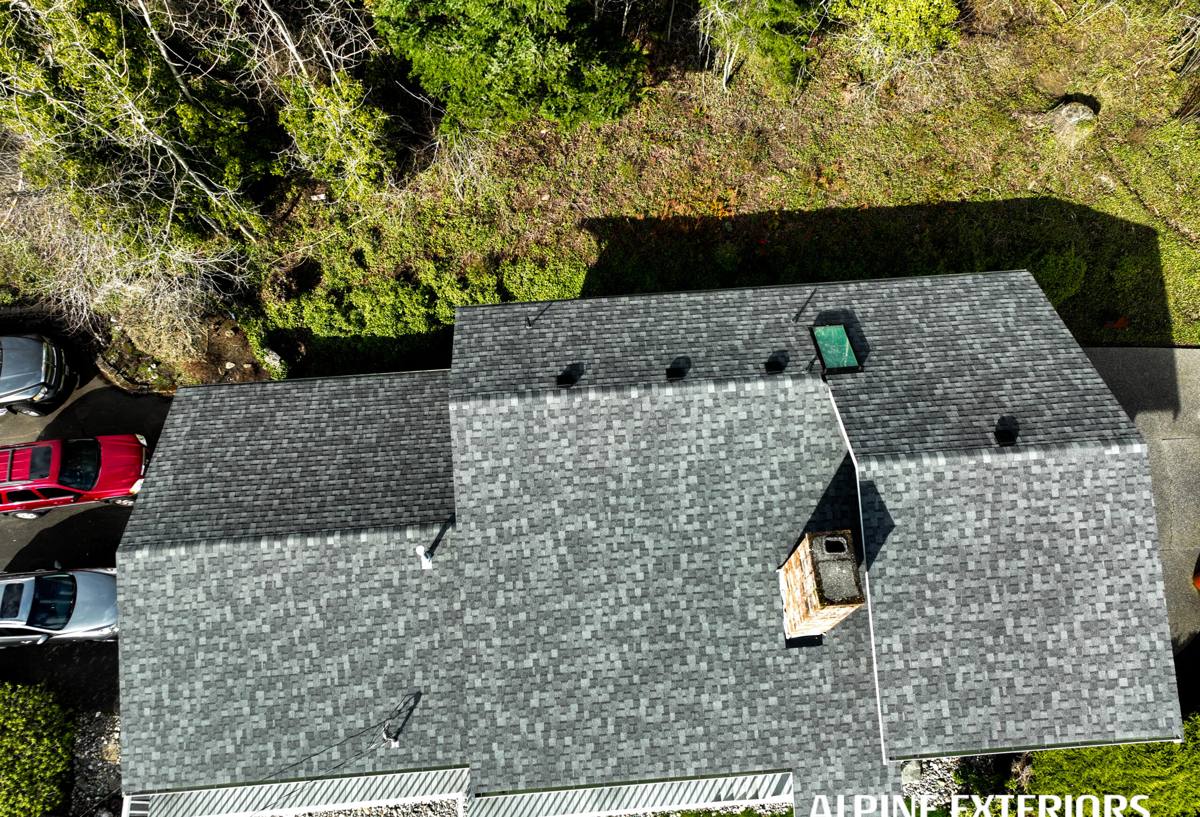
Signs a Temple Terrace Roof Needs Replacement, Not Another Repair
Not every roofing issue means a full replacement. But when several of these show up together, patch repairs usually stop making financial sense and a full roof replacement becomes the more honest recommendation.
- Granules collecting in gutters or at downspout outlets, especially after storms
- Shingles that are curling, cupping, or cracking rather than lying flat
- Visible daylight through the attic decking, or damp insulation after rain
- Multiple past repair patches that no longer match or are starting to fail again
- Soft spots or noticeable sag when walking the roof deck
- Roof is 18-20+ years old for asphalt shingle, or nearing the end of its rated wind exposure
- Recent wind or hail event followed by an insurance inspection flagging widespread damage
- Rising energy bills tied to attic heat gain through a failing roof assembly
If your roof is showing one or two of these on its own, a repair may genuinely be the right call. We'll tell you that directly rather than pushing a full replacement you don't need yet.
What a Correct Roof Replacement Actually Involves
Tear-Off and Deck Inspection
A proper replacement starts with a full tear-off down to the decking, not a layover on top of old shingles. This is the only point in the project where the crew can actually see the plywood or OSB underneath, check for soft or delaminated sections, and replace any bad decking before it's covered up again for another 15-20 years. Skipping this step to save time is one of the most common ways a roof replacement fails early.
Underlayment and Water Barrier
Given how much wind-driven rain this area sees, the underlayment layer matters as much as the visible shingle. A synthetic or self-adhering underlayment, properly lapped and sealed at every penetration, is what actually keeps water out when wind pushes rain sideways under the shingle tabs during a storm.
Flashing, Valleys, and Penetrations
Chimneys, skylights, vent pipes, and roof valleys are where the overwhelming majority of leaks start, not in the open field of shingles. New step flashing, counter-flashing, and properly sealed pipe boots at every penetration are non-negotiable on a correct install.
Ventilation
Florida attics need to breathe. Balanced intake and exhaust ventilation keeps attic temperatures down, reduces shingle heat aging from underneath, and helps control moisture that would otherwise condense against the decking. A new roof installed over inadequate ventilation will age faster than it should, regardless of how good the shingle itself is.
Code Compliance and Wind Rating
Hillsborough County follows the Florida Building Code, which sets minimum wind-uplift and fastening requirements for this region's high-wind zone. That includes fastener count and pattern, not just product selection. A code-compliant install is also what keeps your insurance wind mitigation credits valid going forward.
Roofing Material Options for Temple Terrace Homes
There's no single "best" roofing material for every house here — the right choice depends on your roof's slope and structure, your budget, and how long you plan to stay in the home. Here's an honest comparison of the options most commonly used in this area.
| Material | Typical Lifespan | Wind Performance | Maintenance |
|---|---|---|---|
| Architectural asphalt shingle | 20-30 years | Good, when rated and installed to current wind code | Low; periodic inspection after storms |
| Metal (standing seam or panel) | 40-50+ years | Excellent | Very low; occasional fastener/seam check |
| Concrete or clay tile | 40-50+ years | Very good when properly fastened and underlayment is maintained | Moderate; underlayment beneath tile has a shorter service life than the tile itself |
| 3-tab asphalt shingle | 15-20 years | Lower wind rating than architectural shingle | Low, but shorter service life overall |
Asphalt architectural shingle remains the most common choice for straightforward replacements because it balances upfront cost against real-world durability in this climate. Metal and tile cost more up front but spread that cost over a much longer service life, which is worth discussing if you're planning to stay in the home long term. We'll walk through what your roof deck and structure can support before you commit to a material.
Permits, Wind Mitigation, and Insurance
Roof replacement in Temple Terrace requires a building permit through Hillsborough County or the City of Temple Terrace, depending on your property's jurisdiction, along with the required inspections at tear-off and final completion. This isn't paperwork for its own sake — the inspection confirms the fastening pattern, underlayment, and flashing were done to code, which protects you if there's ever a wind claim down the road.
A new roof is also the right time to get a fresh wind mitigation inspection done. Current-code fastening, hip roof geometry, secondary water barriers, and impact-rated features can all qualify you for meaningful homeowner's insurance premium credits in this hurricane-exposed part of Florida. We handle the permitting and can point you toward getting that inspection scheduled once the new roof is complete.
Our Roof Replacement Process
- On-site inspection and honest assessment — we get on the roof, check the decking where accessible, and tell you plainly whether you need a repair or a replacement
- Written estimate — material options, scope, and price laid out clearly before any work starts
- Permitting — we pull the required permit and schedule inspections so you don't have to navigate that process yourself
- Material delivery and site protection — landscaping, driveway, and gutters protected before tear-off begins
- Full tear-off and deck repair — old roofing removed, decking inspected and replaced where needed
- Underlayment, flashing, and shingle or panel installation — done to current Florida Building Code fastening requirements
- Cleanup and magnetic nail sweep — yard and driveway cleared of debris and stray fasteners
- Final inspection and walkthrough — county or city inspection passed, and we walk the finished roof with you
Why Hiring a Crew That Already Works in Temple Terrace Matters
Roofing crews who regularly work Temple Terrace and the surrounding Hillsborough County area already know the local permitting process, the inspection scheduling, and what the county's inspectors expect to see before they'll sign off. That familiarity translates directly into fewer delays on your project. It also means we're not learning this area's wind exposure and storm patterns for the first time on your roof — we've priced and installed roofs across a range of home ages and roof structures typical of this part of Tampa Bay, and we bring that experience to every estimate.
Local presence also matters after the job is done. If a storm rolls through and you have a question about how your new roof held up, you're calling a crew that's still nearby and still stands behind the work, not a company that moved on to another region.
Cost Factors to Understand Before You Get Quotes
Roof replacement pricing varies with roof size, pitch, material choice, and how much decking repair turns up once tear-off starts. Rather than quote a number that won't apply to your house, here's what actually drives cost so you can make sense of any estimate you receive.
| Factor | Why It Affects Price |
|---|---|
| Roof size and complexity | More valleys, hips, and penetrations mean more labor and flashing material |
| Roof pitch | Steeper roofs require more safety equipment and slower, more careful work |
| Material selection | Asphalt, metal, and tile carry very different material and labor costs |
| Deck condition | Rotted or delaminated decking found during tear-off adds material and labor |
| Number of layers to remove | Tearing off two layers of old roofing takes longer than one |
| Ventilation upgrades | Adding or correcting intake/exhaust venting is worth the modest added cost |
Preparing for Your Roof Replacement: A Homeowner Checklist
- Move vehicles out of the driveway and clear a path for material delivery
- Take down wall art, mirrors, or fragile items inside that could shift from vibration
- Trim back any low tree limbs that overhang the roofline before the crew arrives
- Plan for pets to be indoors or elsewhere during tear-off and installation
- Ask your contractor about their debris and nail cleanup process, including magnetic sweeps
- Confirm in writing what permit and inspection steps your contractor is handling
- Keep a copy of your final permit closeout and any wind mitigation paperwork with your insurance file
Caring for Your New Roof After Installation
A new roof is close to maintenance-free, but a few habits extend its life meaningfully in this climate. Keep gutters clear so water isn't backing up under the edge of the roofline. After any major wind or hail event, a quick visual check from the ground for missing or displaced shingles is worth doing. And keep an eye on tree limbs near the roof, since falling branches during storms are one of the more common causes of localized damage to an otherwise sound roof. Most manufacturer warranties also expect basic maintenance to stay valid, so keep your installation paperwork on file.
If your Temple Terrace home's roof is showing its age, or you just want a straight answer about repair versus replacement, we're happy to take a look. Fill out the form below for a free, no-pressure estimate.