 Tampa Window
 Building a Deck That Actually Survives Temple Terrace Weather
Temple Terrace sits inside Hillsborough County, wrapped in mature tree canopy and older, established neighborhoods along the Hillsborough River corridor. That setting is part of what makes the area desirable, but it also means decks here take a different kind of beating than decks in drier, cooler parts of the country. You've got long stretches of intense UV that bleach and dry out wood fibers, humidity that never really lets a deck fully dry out between rains, wind-driven storms that test every fastener and connection, and, closer to the bay, salt air that speeds up corrosion on anything that isn't rated for it. A deck built with generic, one-size-fits-all methods will show problems within a couple of seasons — cupping boards, rusted hardware, soft spots at the ledger board. A deck built for this climate specifically will still be solid a decade or two later.
This page is about one thing: what it actually takes to design, permit, and build a custom deck for a Temple Terrace home, and why the details matter more than the design photos ever suggest.
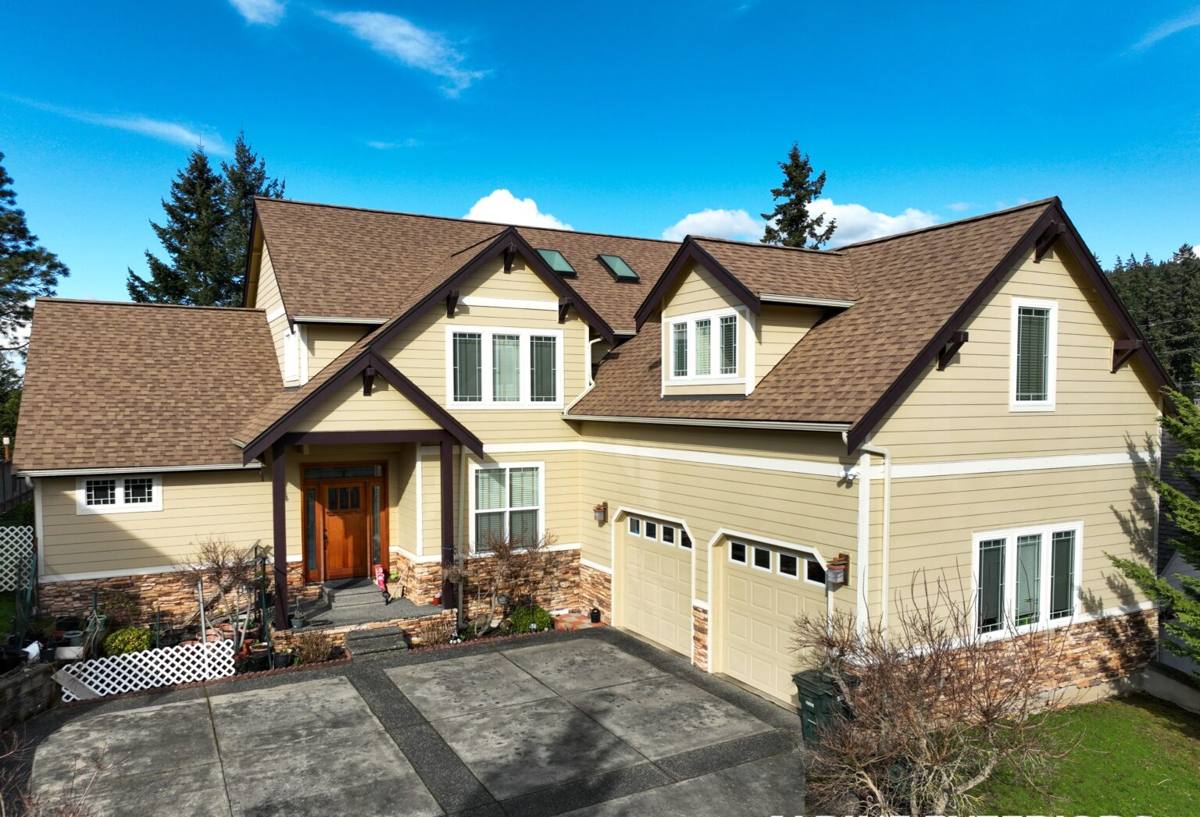
What Local Homes Are Actually Up Against
Before we talk materials or process, it's worth being specific about what a deck in this part of Hillsborough County has to resist, because every decision downstream traces back to these four things:
- UV exposure: Florida sun is intense nearly year-round, and it degrades wood fibers, fades finishes, and breaks down lower-grade composite decking faster than manufacturers' glossy marketing suggests.
- Humidity and rain: Frequent rain plus high ambient humidity means wood-framed decks need real airflow underneath and behind ledger boards, or moisture gets trapped and rot starts from the inside out.
- Hurricane-force wind: Even a deck that never sees a direct hurricane hit will experience repeated high-wind events over its life. Ledger attachment, post-to-beam connections, and joist hangers all need to be rated for that, not just "good enough for a calm day."
- Corrosion: Standard fasteners rust and streak decking within a year or two in this climate. Hardware needs to be hot-dip galvanized or stainless at minimum, especially on any deck near the water or exposed to salt-laden air.
Materials That Hold Up — and the Honest Trade-offs
Pressure-Treated Wood
Pressure-treated southern yellow pine is still the most common decking and framing material in this region, and for good reason — it's affordable and, when installed and maintained correctly, performs well. The catch is that "installed and maintained correctly" is doing a lot of work in that sentence. Wood needs to be sealed on cut ends, allowed to dry before staining, and re-sealed every couple of years in this climate, or it will check, cup, and gray out faster than it would somewhere drier.
Composite Decking
Composite boards have come a long way, but not all composite is built the same. Older or lower-grade composite can absorb moisture at the core and swell or delaminate in a humid climate — that's a maintenance-burden and warranty issue we'd rather you understand up front than discover in year three. Capped composite (with a fully sealed outer shell) resists moisture intrusion far better and is what we recommend when a homeowner wants the low-maintenance route.
PVC Decking
Fully cellular PVC decking contains no wood fiber at all, so it doesn't absorb moisture, doesn't rot, and holds color well under UV — it's the most climate-appropriate choice for a truly low-maintenance deck. It costs more upfront, and it can run hotter underfoot in direct sun than lighter-colored composites, which is worth weighing if the deck gets full afternoon exposure.
| Material | Upfront Cost | Maintenance | How It Handles FL Humidity | Typical Lifespan Here |
|---|---|---|---|---|
| Pressure-treated wood | Lowest | Seal/stain every 1-2 years | Fine if sealed and ventilated; rots if neglected | 10-15 years with upkeep |
| Standard composite | Moderate | Low, occasional cleaning | Lower grades can absorb moisture at core | 15-20 years |
| Capped composite | Moderate-High | Very low | Sealed shell resists moisture well | 20-25 years |
| Cellular PVC | Highest | Lowest | Excellent — no wood fiber to absorb water | 25+ years |
The Structural Details That Actually Determine Whether a Deck Lasts
The decking surface is what everyone notices, but the framing underneath is what determines whether that surface is still attached and level in ten years. A few things we treat as non-negotiable on every custom deck build in this area:
Ledger Board Flashing
Where the deck attaches to the house is the single most common failure point on decks anywhere, and it's worse in a humid climate. Proper flashing — installed so water sheds away from the house framing rather than behind the ledger — is what keeps that connection from rotting out from behind, where you can't see it happening.
Footings Sized for Local Soil and Wind Load
Footing depth and diameter need to account for both the load the deck will carry and the wind uplift it needs to resist. We size footings to the actual deck design, not a generic minimum, and we don't cut corners here because it's the part nobody sees once the deck is finished.
Corrosion-Resistant Hardware Throughout
Joist hangers, post bases, structural screws, and bolts all need to be rated for the exposure they'll see. On every deck we build, that means hot-dip galvanized or stainless hardware — not the cheaper coated fasteners that start streaking rust within a season in this climate.
Wind Bracing and Post Connections
Diagonal bracing and properly engineered post-to-beam connections are what keep a deck from racking or shifting under sustained wind loads. This is especially important for raised or multi-level decks, which have more leverage working against the structure in a storm.
Permitting in Hillsborough County
Custom decks in Temple Terrace and the surrounding Hillsborough County area generally require a building permit, and the review will look at structural design, footing depth, and attachment details — not just the finished appearance. Depending on the property, elevation and drainage can also factor into the review, since Florida building code takes wind load and water management seriously. We handle the permit process as part of the job: pulling the permit, scheduling inspections, and making sure the finished deck is built to what was actually approved, not a shortcut version of it.
How We Approach a Temple Terrace Deck Project
- On-site visit: We look at the house's ledger attachment point, grade, drainage, and sun exposure before talking materials, because those conditions shape what we'd actually recommend.
- Design and material selection: We walk through the trade-offs above in plain terms — cost, maintenance, and how each option handles this climate — so the decision is yours, made with real information.
- Permit and engineering: We prepare and submit what Hillsborough County requires, including footing and structural details sized for the design.
- Build: Framing first, with flashing, hardware, and bracing done to the standard described above, then decking, railing, and any add-ons.
- Final walkthrough and inspection: We confirm the deck passes inspection and walk you through basic care before we consider the job done.
Common Additions Homeowners in This Area Ask For
Because Temple Terrace has a lot of tree cover and established lots, a few add-ons come up often:
- Screened enclosures: Keep the deck usable during the buggier, humid months without giving up outdoor living space.
- Covered or roofed sections: Reduce direct UV exposure on the decking itself, which extends the life of both wood and composite boards.
- Multi-level designs: Useful on lots with grade changes, though these need extra attention to bracing given the added height and wind exposure.
- Built-in seating and railing upgrades: Aluminum or vinyl railing systems hold up better than painted wood railing in this humidity and require far less upkeep.
Keeping a Florida Deck in Good Shape
Even a well-built deck needs some seasonal attention in this climate. A simple maintenance rhythm goes a long way:
- Rinse off pollen, mildew, and organic debris every few weeks, especially under tree canopy where buildup happens fast.
- Check and re-seal wood decking every 1-2 years; capped composite and PVC need cleaning only.
- Inspect fasteners and hardware annually for rust streaking or loosening, particularly after storm season.
- Keep gutters and downspouts clear so runoff isn't dumping extra water onto or under the deck.
- Trim back overhanging branches that keep the deck surface damp longer than it should be.
Why It Matters That We Already Work in This Area
A crew that builds decks across climates treats Florida like everywhere else and finds out the hard way that it isn't. Working regularly in Temple Terrace and the broader Tampa area means we already know what Hillsborough County permitting expects, what hardware actually holds up against the salt air and humidity here, and where ledger flashing tends to fail if it's rushed. That's not a marketing point — it's the difference between a deck that needs real repairs in three years and one that just needs a rinse and an occasional reseal.
If you're weighing a custom deck for a Temple Terrace home, we're happy to walk the property, talk through material trade-offs honestly, and put together a free, no-pressure estimate using the form below.