 Tampa Window
 Why Siding Replacement in Temple Terrace Is Different From a Generic Job
Temple Terrace sits along the Hillsborough River in northeast Hillsborough County, and like the rest of the Tampa Bay area, it takes a real beating from the climate. Homes here deal with intense, near-constant UV exposure, long stretches of high humidity, salt-tinged air carried in off Tampa Bay, and the very real chance of hurricane-force wind and wind-driven rain during storm season. Siding isn't decoration in this climate — it's the layer standing between your framing and everything Florida throws at it. A siding replacement done for looks, without accounting for those conditions, tends to fail years before it should.
We work Temple Terrace regularly, alongside the rest of the Tampa metro. This page walks through what siding replacement actually requires here, what a correctly done job looks like, and how we handle it from first inspection to final walkthrough.
Signs a Temple Terrace Home Needs Siding Replaced, Not Patched
Not every siding problem calls for a full replacement — but in this climate, small issues escalate fast because moisture and heat don't give materials much of a break. These are the signs worth taking seriously:
- Soft, spongy, or crumbling spots when you press on the siding, especially near the bottom courses and around windows
- Visible warping, buckling, or panels that have pulled away from the wall line
- Paint that keeps failing within a year or two of repainting, even with quality paint
- Persistent mold, mildew, or dark streaking that comes back shortly after cleaning
- Cracked or split boards, particularly after a storm with sustained high wind
- Rising energy bills with no other explanation — often a sign the wall assembly behind the siding is compromised
- Visible gaps at seams, corners, or trim where caulking has failed or separated
If you're only seeing one or two of these in an isolated spot, a repair may be reasonable. If they're spreading across multiple elevations, or the siding is original to an older home, replacement is usually the more honest recommendation — patch jobs on failing siding rarely hold up through another hurricane season.
What a Correct Siding Replacement Actually Involves
Siding replacement is often sold as a cosmetic upgrade, but the work that matters most happens underneath the new boards. Skipping any of the following is how a siding job looks fine at installation and fails within a few years.
Full Tear-Off and Sheathing Inspection
We remove the existing siding down to the sheathing, not just cover over it. That's the only way to actually see what's happening underneath — soft sheathing, rot around window and door openings, or old moisture damage that's been hidden for years. In a climate as humid as Tampa's, we routinely find damage that wasn't visible from the outside. Any compromised sheathing gets replaced before anything new goes back on the wall.
Moisture Barrier and Flashing
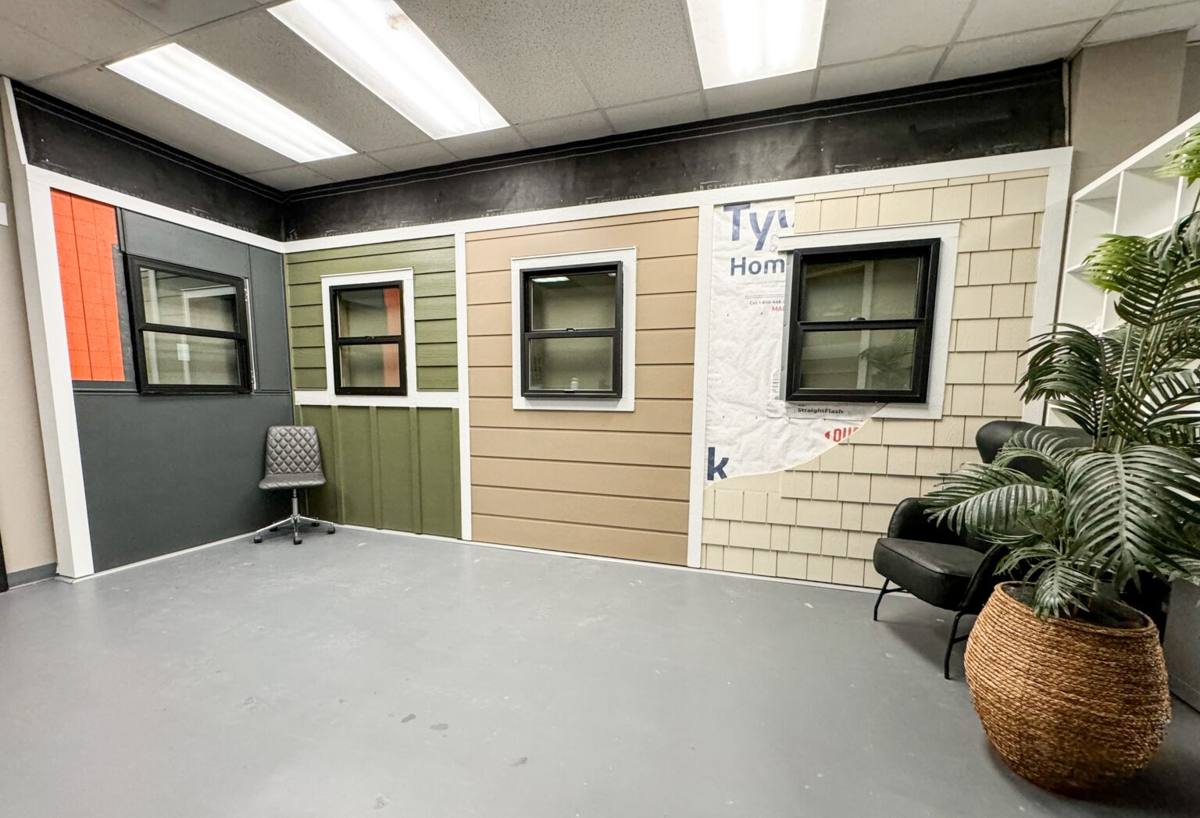
A weather-resistant barrier goes over the sheathing, with flashing detailed correctly at every window, door, and penetration. This is the step that determines whether wind-driven rain — the kind that comes sideways during Tampa Bay storms — stays out of the wall assembly. Flashing that's installed backward, or seams that aren't properly lapped and sealed, will let water in no matter how good the siding above it looks.
Correct Fastening for Florida Wind Zones
Hillsborough County sits in a high-wind coastal zone, and siding has to be fastened to hold up to hurricane-force gusts — not just standard construction practice from a milder climate. That means the right fastener type, spacing, and penetration depth into structural framing, following both the manufacturer's engineering specs and local code for this wind zone. Under-fastened siding is one of the most common reasons homes lose siding in a storm.
Proper Clearances and Ventilation
Siding needs clearance from grade, roofing, decks, and other surfaces so water can drain and materials can dry out between rain events. Butting siding tight against a patio slab or letting it sit too close to soil traps moisture against the material — a slow-motion failure that's easy to avoid at installation and expensive to fix later.
Why We Only Install James Hardie Fiber Cement
We don't install vinyl, LP SmartSide, or other engineered wood or fiber cement alternatives. That's a deliberate standard, not a sales pitch. In a climate with this much heat, UV, and moisture cycling, the trade-offs of other materials show up faster than they do in milder parts of the country.
| Material | How It Holds Up in Tampa's Climate |
|---|---|
| Vinyl siding | Softens and can warp in sustained high heat and direct sun; more prone to cracking or blowing off in high wind; color fades over time and can't be refinished without full replacement |
| LP SmartSide (engineered wood) | Wood-based core is more sensitive to sustained humidity and moisture intrusion at cut edges and seams if installation and caulking aren't maintained closely over time |
| James Hardie fiber cement | Non-combustible, dimensionally stable in heat and humidity, engineered HZ product lines specifically for high-moisture climates, factory-applied ColorPlus finish resists fading and doesn't require repainting on the same cycle |
James Hardie's HZ5 product line is engineered specifically for climates like ours — hot, humid, and prone to wind-driven rain. It's non-combustible, holds paint and factory finish far longer than wood-based alternatives, and comes with a strong transferable warranty when installed to Hardie's specifications. That combination is why we standardized on it and stopped installing the alternatives.
Our Siding Replacement Process for Temple Terrace Homes
1. On-Site Inspection and Honest Assessment
We look at the current siding, the sheathing where it's accessible, and the specific exposure of your home — sun-facing walls, wind-exposed elevations, low areas near grade. You get a straight answer on what needs full replacement versus what's holding up fine.
2. Detailed Written Estimate
The estimate breaks down material, prep work, and labor so you know exactly what you're paying for and why — no vague lump-sum numbers.
3. Tear-Off, Repair, and Prep
Old siding comes off, damaged sheathing gets replaced, and the moisture barrier and flashing go in correctly before a single new board is hung.
4. Installation to Manufacturer and Wind-Zone Spec
Hardie siding goes up following James Hardie's installation instructions and Hillsborough County's wind-zone fastening requirements — not shortcuts that happen to look fine on day one.
5. Final Walkthrough and Cleanup
We walk the finished job with you, confirm everything meets spec, and clear the site of debris and old material before we consider the job done.
Why Hiring a Crew That Already Works Temple Terrace Matters
Siding contractors who mainly work outside this region don't always account for Hillsborough County's permitting requirements or the wind-load fastening standards that apply here. A crew that regularly works Tampa Bay knows the inspection process locally, understands how storm season affects scheduling, and has seen firsthand how siding installed to a lower standard fails here faster than it would somewhere with milder weather. That local track record isn't a marketing line — it directly affects whether your siding is still doing its job after the next few hurricane seasons.
It also matters for timing. Scheduling siding replacement around Tampa's rainy season and storm season takes local judgment — pushing a tear-off forward without a realistic weather window is how a job ends up with exposed sheathing during a downpour.
What Affects the Cost of Siding Replacement
| Factor | Why It Matters |
|---|---|
| Extent of sheathing damage | Hidden rot or moisture damage found at tear-off adds repair work before new siding can go on |
| Home size and elevation count | More wall area and more corners, windows, and trim details mean more labor and material |
| Siding profile and Hardie product line | Lap, shingle, and panel profiles vary in material cost and installation time |
| Color and finish | Factory ColorPlus finishes versus field-painted options affect both material cost and long-term maintenance |
| Site access and existing conditions | Landscaping, fencing, or tight clearances around the home can add time to tear-off and disposal |
We give you real numbers after seeing your home, not a generic per-square-foot quote that ignores your home's actual condition.
Caring for New Siding in a Temple Terrace Climate
Properly installed Hardie siding is low-maintenance, but "low-maintenance" doesn't mean "no maintenance" in a climate this demanding. A yearly rinse to clear off pollen, salt residue, and mildew buildup keeps the factory finish looking right. Keep an eye on caulking at trim and penetrations after major storms, and keep sprinklers from spraying directly on the siding day after day — constant wetting works against any exterior material over time, even one engineered for humidity like Hardie's HZ5 line.
If your Temple Terrace home's siding is showing wear, or you're planning ahead of hurricane season, we're glad to take a look and give you a straight, no-pressure assessment. Fill out the form below for a free estimate.