 Tampa Window
 Why Brandon Homes Wear Out Their Siding Faster Than You'd Expect
Brandon sits inland from Tampa Bay but still takes the full brunt of a Central Florida exterior year: long stretches of triple-digit heat index, afternoon storms that roll through almost daily in summer, and the occasional direct hit from a tropical system pushing hurricane-force wind and driven rain sideways into every wall. Add in year-round UV exposure that doesn't let up in winter the way it does farther north, and you have an exterior material environment that punishes shortcuts.
Older siding products installed in this area — old-style vinyl, untreated wood, or fiber cement that wasn't detailed correctly at the seams — tend to show their age the same way: fading and chalking on the sun-facing walls first, buckling or gapping where fasteners were driven wrong, and soft spots or bubbling paint where moisture got behind the panel and had nowhere to go. None of that is inevitable. It's a function of what material went up and how it was installed.
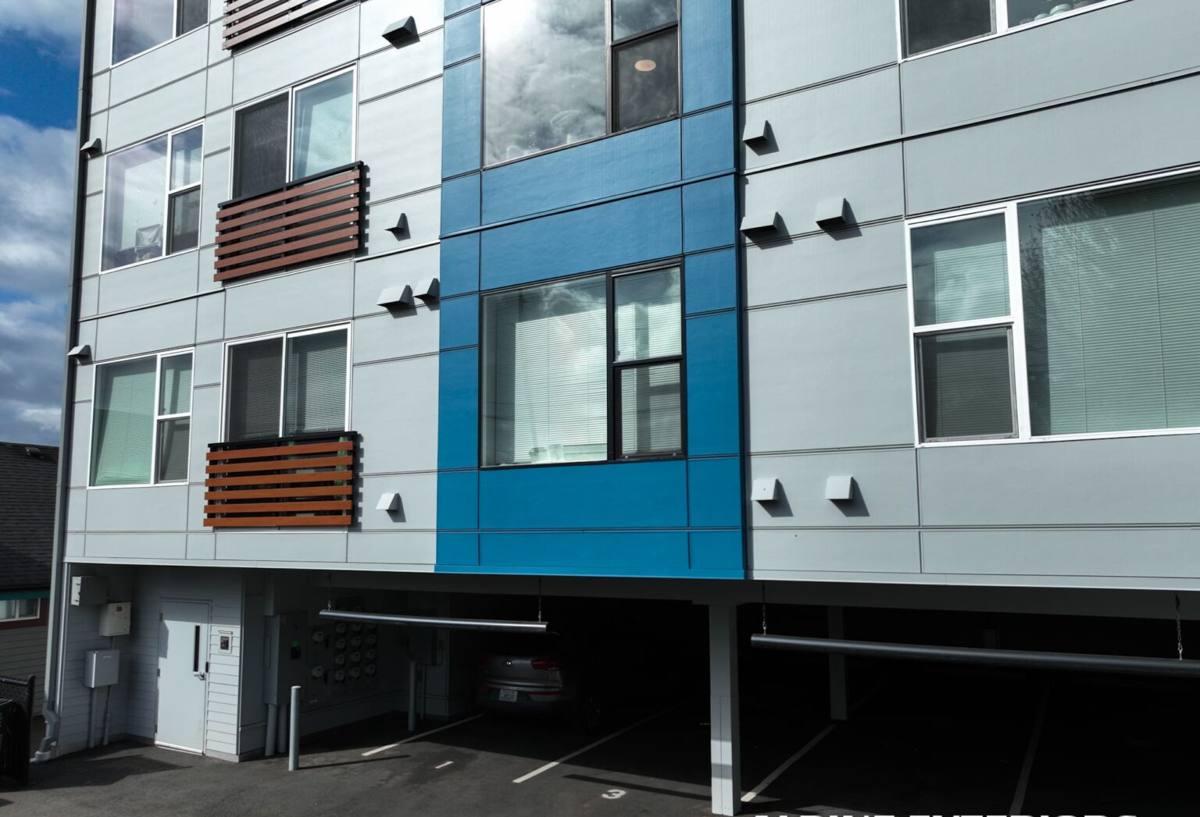
Signs Your Brandon Home's Siding Needs Attention
Most siding failure in this climate doesn't announce itself with a dramatic collapse — it shows up as slow, cumulative damage that homeowners notice years after it started. Walk your exterior and check for these:
- Fading or chalky residue on siding that gets heavy afternoon sun, especially the west and south walls
- Panels that flex, feel soft, or sound hollow when pressed near the bottom edge
- Visible gaps, warping, or buckling at seams and corners
- Peeling or bubbling paint, particularly around window and door trim
- Dark streaking or a persistent musty smell near exterior walls, which can point to moisture trapped behind the siding
- Nail heads popping or fasteners rusting through the surface
Any one of these on its own might be minor. Several together, especially on a home that's had one or two storm seasons pass without an exterior inspection, usually mean the siding system underneath — not just the visible surface — has been compromised.
What We Install: James Hardie Fiber Cement, and Nothing Else
We only install James Hardie fiber cement siding. We don't install vinyl, LP SmartSide, Cemplank, Allura, or primed wood products like spruce or cedar lap. That's not a marketing line — it's a standard we hold because of what we see happen to those other materials in this specific climate.
Vinyl softens and can warp under sustained heat, and in a direct storm impact it cracks rather than holds. Engineered wood products like LP SmartSide use wood strand cores that are more moisture-sensitive than fiber cement, which matters in a region where wind-driven rain gets forced into every seam and gap during summer storms. Other fiber cement brands make a reasonable product on paper, but we've standardized on James Hardie specifically for its HZ5 climate-engineered formulation, factory-applied ColorPlus finish, and warranty structure — and standardizing on one system means our crews install it the same correct way every time instead of relearning details across five different manufacturers' specs.
James Hardie fiber cement is non-combustible, doesn't rot or attract termites, and holds paint and color far longer than wood or vinyl because the ColorPlus finish is baked on at the factory rather than field-applied. It's engineered for exactly the punishment Hillsborough County throws at an exterior wall: heat, humidity, UV, and wind-driven rain.
Why We Won't Install the Alternatives
We get asked regularly why we don't offer vinyl or engineered wood as a lower-cost option. The honest answer is that a lower material cost up front usually means a shorter service life and more maintenance in a climate like Brandon's — and we'd rather turn down that job than install something we know will bring the homeowner back to us in five years with a problem that didn't need to happen.
What a Correct Siding Installation Actually Involves
Siding is a system, not just a surface. The panel itself is only one piece — the parts you never see after the job is done are usually what determines whether it lasts fifteen years or fifty.
Tear-Off and Substrate Check
We remove the old siding down to the sheathing and inspect for rot, soft spots, or existing water damage before anything new goes up. Covering over a compromised wall with new siding just hides a problem that gets worse.
Weather Barrier
A properly lapped and sealed water-resistive barrier goes over the sheathing before any siding is hung. This is the layer that actually keeps wind-driven rain from reaching your framing if water gets past the siding surface — which, in a hurricane-prone area, it eventually will during a bad storm.
Flashing at Every Penetration
Windows, doors, hose bibs, vents, and any other wall penetration need flashing detailed correctly so water sheds outward and down, never inward. This is one of the most common places we find prior installation shortcuts on homes we're re-siding.
Fastening to Spec
James Hardie panels have specific fastener spacing, type, and placement requirements for HZ5 climate zones. Under-fastening or fastening too close to panel edges is a leading cause of buckling and cracking down the road, and it's invisible from the ground once the job is painted.
Joint and Seam Sealing
Butt joints, corners, and trim intersections get sealed with the manufacturer-specified sealant, not a generic caulk that will fail under UV exposure in a year or two.
Our Process for a Brandon Home
| Step | What Happens |
|---|---|
| On-site assessment | We walk the exterior, check current siding condition, measure, and note any framing or moisture concerns |
| Written estimate | Scope, product line, color, and price laid out before any work starts |
| Tear-off and inspection | Old material removed, sheathing checked and repaired if needed |
| Weather barrier and flashing | Water-resistive barrier installed, all penetrations flashed |
| Hardie panel installation | Panels hung to manufacturer spec for fastening and clearance |
| Trim, joints, and finish detail | Corners, trim, and seams sealed and finished |
| Final walkthrough | We walk the finished exterior with you before calling the job done |
What Affects the Cost of a Siding Job
Every home is different, but the same handful of factors move the price up or down on most Brandon siding jobs:
| Factor | Why It Matters |
|---|---|
| Home size and wall area | More square footage means more material and labor |
| Current siding removal | Tear-off of old material adds labor, especially with multiple layers underneath |
| Substrate repair | Rotted or water-damaged sheathing found during tear-off needs to be replaced before new siding goes up |
| Panel style and profile | Lap siding, shingle-style panels, and vertical board-and-batten carry different material and labor costs |
| Trim and detail work | Homes with more corners, windows, and architectural detail take more time to flash and finish correctly |
| Color | Factory ColorPlus finishes come in a set range; custom field-painted color adds cost |
We give a firm written estimate after seeing the home in person — general ranges you'll find online rarely account for what tear-off actually reveals underneath.
Why a Crew That Already Works Brandon Matters
A siding job installed to spec on paper can still underperform if the crew doesn't understand how the local climate actually loads the building. A crew working Brandon regularly knows to plan around the daily summer storm pattern, has a working sense of which older subdivisions tend to have specific sheathing or moisture issues from past construction practices, and doesn't need to guess at wind and rain exposure requirements for Hillsborough County — they're already building to it every week. That familiarity shows up in the small decisions on a job site: how flashing gets detailed around a particular window style, how tight the crew keeps clearances near grade, how seriously they treat a tear-off day when rain is forecast for that afternoon.
It also matters for accountability. A contractor with an ongoing local presence has a reputation in the area to protect and is easier to reach if a warranty question comes up years down the line — not a crew that worked the area once and moved on.
After Installation: What Upkeep Actually Looks Like
One of the real advantages of James Hardie fiber cement is how little it asks of you afterward. There's no annual sealing or staining requirement like wood siding, and the ColorPlus finish is engineered to hold color far longer than field-applied paint. That said, a few simple habits keep any siding system performing well in this climate:
- Rinse the exterior periodically to clear salt residue, pollen, and mildew buildup before it sets in
- Keep sprinklers and irrigation heads from spraying directly onto siding day after day
- Check caulking at trim and penetrations annually, especially after a rough storm season
- Trim back landscaping that traps moisture against the wall
- Walk the exterior after any major storm and note anything that looks different from before
None of this is heavy maintenance — it's the kind of thing that takes an hour a couple times a year and catches small issues before they become expensive ones.
Get a Free Estimate for Your Brandon Home
If your siding is showing its age, or you're planning ahead of the next storm season, we're happy to come take a look and walk you through what your home actually needs — no pressure, no obligation. Use the form below to request a free estimate.