 Tampa Window
 Roof Repair for Land O' Lakes Homes
Land O' Lakes sits inland from Tampa Bay but that doesn't spare it from the weather that wears down Florida roofs. Homes here still take the brunt of hurricane-season wind gusts, months of intense UV exposure, and the kind of wind-driven rain that finds every weak seam in a roof system. Add in the area's mix of older subdivisions with mature tree canopy and newer developments with wide-open exposure to sun and wind, and you get a range of roof conditions that all eventually need attention. We repair roofs for homeowners throughout the greater Tampa area, and Land O' Lakes is one of the neighborhoods we work in regularly.
This page covers roof repair specifically — not full roof replacement. Most roofs don't need to be torn off and redone; they need targeted, correctly executed repairs that address the actual cause of the problem, not just the symptom.
What Local Conditions Do to a Roof
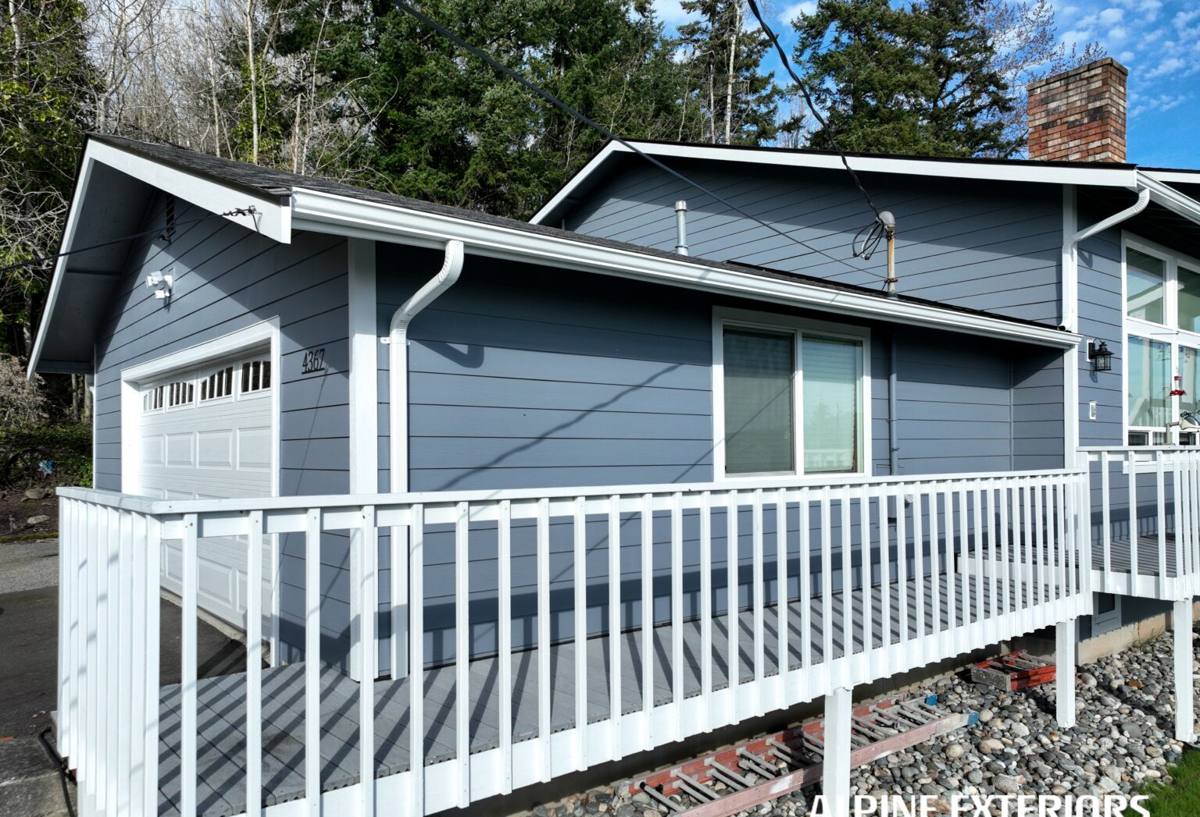
Roof damage in this part of Florida rarely comes from one dramatic event. More often it's the accumulation of several ongoing stresses:
- Wind-driven rain — even without a named storm, sideways rain during summer thunderstorms pushes water up and under shingles, tiles, and flashing that would stay dry in a straight-down rain.
- UV exposure — Florida gets more sun hours per year than most of the country. Asphalt shingles lose their oils and granules faster here, and sealants dry out and crack sooner than their rated lifespan suggests.
- Hurricane and tropical-storm wind — gusts don't need to reach full hurricane strength to lift shingle edges, crack tiles, or work fasteners loose. Once a few shingles or tiles are compromised, the next storm does more damage in the same spot.
- Humidity and afternoon storms — the daily wet-dry cycle common to this area stresses roofing materials and the wood decking underneath, especially where ventilation is poor.
- Tree canopy — parts of Land O' Lakes have significant oak coverage, and falling branches, constant leaf litter, and shaded, slow-drying roof sections all contribute to localized wear and organic growth.
None of that means a roof is failing — it means a roof needs periodic, honest inspection and repair before small issues become big ones.
Common Repair Needs We See
Wind and Storm Damage
Lifted, cracked, or missing shingles; cracked or slipped tiles; bent or torn flashing around chimneys, vents, and skylights. Wind damage is often more extensive than it looks from the ground — a few visible loose shingles can mean several more nearby are compromised but not yet obviously displaced.
Active Leaks
Water stains on ceilings or in the attic almost never originate exactly where they appear. Water travels along decking and framing before it shows up inside, so tracing a leak back to its actual entry point is the first and most important step of any real repair.
Flashing Failures
Flashing — the metal used to seal roof penetrations and transitions — is one of the most common failure points on any roof, and salt air in the broader Tampa Bay region accelerates corrosion on lower-grade or aging metal. Failed flashing around chimneys, skylights, wall-to-roof junctions, and vent pipes is behind a large share of the leaks we're called out for.
Sealant and Boot Deterioration
Pipe boots and sealant joints are rubber and mastic components with a shorter service life than the roofing material around them. UV exposure dries and cracks them years before the rest of the roof shows wear, and they're an easy thing to overlook until they leak.
Granule Loss and Surface Wear
Asphalt shingles shed granules as they age; heavy granule loss in gutters or downspouts is an early sign that a roof section is losing its UV protection and moving toward the end of its service life, even if there's no active leak yet.
What a Correct Repair Actually Involves
A roof repair done right starts with figuring out why the roof failed, not just patching where water is currently coming through. That means:
- A full diagnostic inspection — not just the spot where a leak showed up inside, but the surrounding roof area, flashing, and penetrations that could be the real source.
- Matching materials correctly — replacement shingles, tiles, or flashing that match the existing roof's material, profile, and where reasonably possible, color, so the repair doesn't stand out or create a mismatched seam that fails differently than the surrounding roof.
- Addressing the decking, not just the surface — if water has reached the wood decking underneath, that decking needs to be dried out or replaced before new roofing material goes over it. Covering wet or compromised decking just delays the next failure.
- Correcting flashing and fastening, not just resealing — sealant alone is a temporary fix over a mechanical problem. Flashing that's lifted, corroded, or improperly lapped needs to be reset or replaced, not just caulked.
- Checking ventilation — poor attic ventilation traps heat and moisture, which shortens the life of every repair made above it. It's worth a look when we're already up there.
Repair vs. Replacement: How We Help You Decide
| Factor | Repair usually makes sense | Replacement worth discussing |
|---|---|---|
| Age of roof | Within its expected service life, isolated damage | Near or past the end of its typical lifespan roof-wide |
| Extent of damage | Limited to one section, slope, or penetration | Widespread across multiple slopes or repeated leak locations |
| Decking condition | Solid, dry decking under the damaged area | Soft, rotted, or repeatedly wet decking in several spots |
| Repair history | First or infrequent repair need | Same areas failing again after prior repairs |
| Material availability | Matching shingles or tiles still available | Discontinued material making a clean match difficult |
We'll always tell you honestly which category your roof falls into. Most of the roofs we're called to inspect in Land O' Lakes are legitimately repair candidates — full replacement is a bigger expense and we don't recommend it unless the roof's condition actually calls for it.
Our Process
Our approach to a roof repair call is straightforward:
- Inspection first. We walk the roof (or use appropriate equipment for steep or fragile roof types) and check the attic from inside where accessible, so we're diagnosing the actual cause, not guessing from the ground.
- A clear explanation and written scope. You'll know what we found, what we recommend fixing, and why, before any work starts.
- Repair using matched, appropriate materials. We don't cut corners on flashing, underlayment, or fasteners to save a few dollars on a repair that's supposed to last.
- A final check. Before we consider the job done, we confirm the repaired area is properly sealed, fastened, and tied into the surrounding roof correctly — no exposed fasteners, no shortcuts on flashing laps.
Why It Matters to Hire a Crew That Already Works in Land O' Lakes
Roofing done by someone unfamiliar with local conditions tends to under-spec for what this area actually experiences — using standard sealant schedules instead of accounting for the UV load, or flashing details that hold up fine in a milder climate but corrode or fail faster with the humidity and salt-tinged air common to the broader Tampa Bay region. A crew that regularly works in and around Land O' Lakes knows what tends to fail first on the roof types common in the area, what building department requirements apply locally, and how to spec a repair that's actually built for the conditions it has to survive here — not a generic national average.
There's also a practical side to local familiarity: knowing which storms recently rolled through, what kind of damage patterns to expect after them, and being able to respond promptly rather than treating a Land O' Lakes homeowner as an afterthought on the edge of a much larger service area.
A Simple Pre-Call Checklist for Homeowners
Before you call anyone about a suspected roof problem, a few observations help speed up an accurate diagnosis:
- Note where inside the house you're seeing staining, dripping, or a musty smell, and whether it changes with wind direction during rain.
- Check gutters and downspouts for unusual amounts of granules, or pieces of shingle or tile.
- Look for any obviously lifted, missing, or cracked shingles or tiles visible from the ground.
- Note the approximate age of the roof, or when it was last worked on, if you know it.
- Mention any recent storm activity or fallen branches that might correspond with when the issue started.
None of this is required — we'll do a full inspection either way — but it gives us a head start on narrowing down the cause.
Get an Honest Look at Your Roof
If you're dealing with a leak, storm damage, or just want a roof that's been showing its age checked out before it becomes a bigger problem, we're glad to take a look. We'll give you a straight answer about what's actually wrong, what it takes to fix it correctly, and what it doesn't need. Reach out for a free, no-pressure estimate using the form below.