 Tampa Window
 Asphalt Shingle Roofing Built for Lutz, Florida
Lutz sits in a part of Hillsborough County that gets the full range of what Tampa Bay weather can throw at a roof — long stretches of intense summer sun, sudden afternoon downpours, and the real chance of a tropical system or hurricane pushing through with sustained high winds. Asphalt shingle roofing is still the most common roofing material on homes in this area for good reason: done correctly, with the right materials and the right installation details, it holds up well against all of that and it's more affordable to install and repair than tile or metal. Done poorly, or left un-maintained, it fails faster here than almost anywhere else in the country. This page covers what an asphalt shingle roof actually needs to survive and perform in Lutz, and what our process looks like when we work on one.
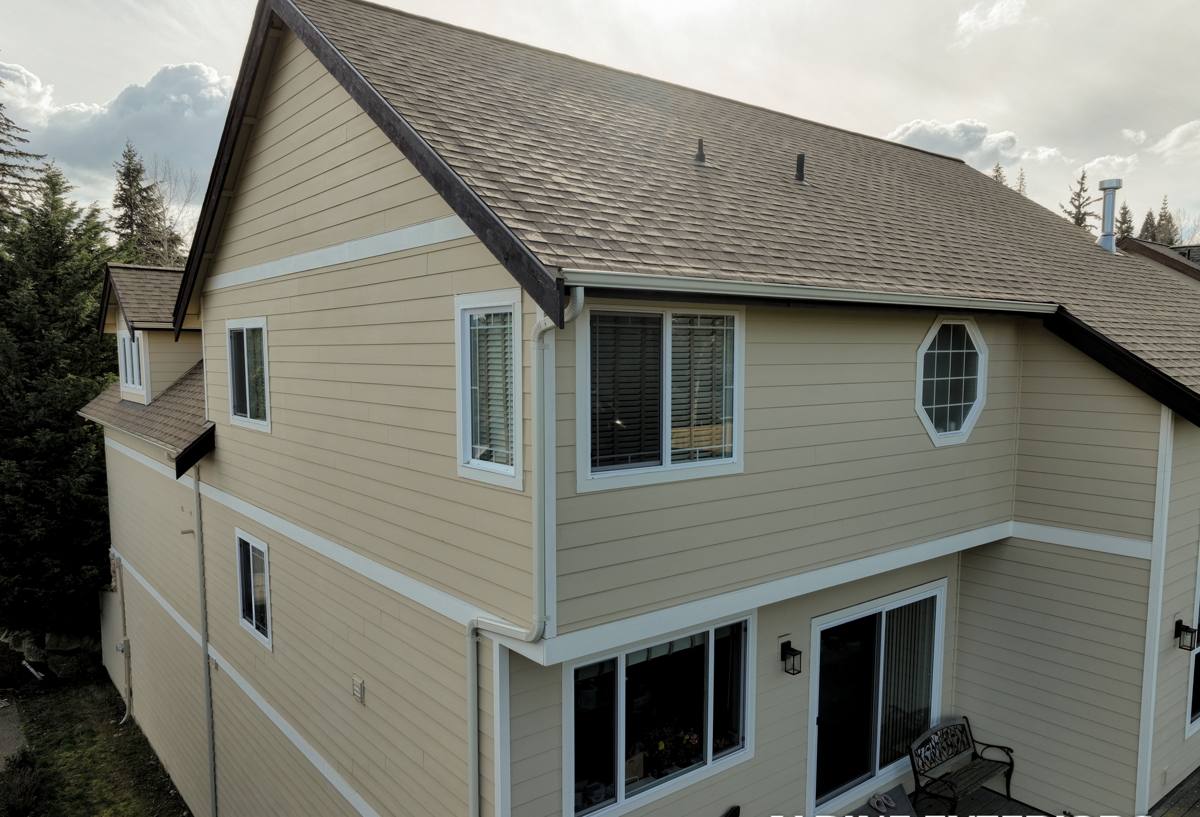
What Central Florida Climate Does to a Shingle Roof
Every roofing material has a weak point, and for asphalt shingles in this climate there are four specific stresses that matter more than anything else.
UV Exposure, Year-Round
Florida doesn't really have an off-season for sun. Shingles are made with an asphalt core that dries out and becomes brittle under prolonged UV exposure, and the granules on the surface — which protect that asphalt and reflect heat — gradually wear away. Once granule loss gets significant, the shingle ages faster and starts losing its ability to shed water properly. This happens on every asphalt roof eventually; the question is whether the shingle, underlayment, and ventilation were chosen and installed to slow it down as much as possible.
Wind-Driven Rain
Tampa Bay storms don't usually deliver rain straight down. Wind pushes it sideways and up under shingle edges, which is exactly where a roof either holds or leaks. This is why underlayment, sealant strips, and proper nailing pattern matter as much as the shingle itself — a roof can have a good shingle on top and still leak if what's underneath it wasn't installed correctly.
Hurricane-Force and Straight-Line Winds
Lutz doesn't need a direct hurricane hit to see damaging wind. Straight-line winds from summer storms and the outer bands of tropical systems both put uplift pressure on shingle edges, ridges, and ends of runs — the spots most likely to lift first if fastening or adhesive sealing was rushed.
Salt Air
Lutz is inland compared to the immediate coast, but Tampa Bay's salt air still reaches this far, and it accelerates corrosion on exposed metal — flashing, nail heads, vent stacks, and drip edge. A roof detail that would hold up fine forty miles from the coast can corrode noticeably faster here if lower-grade metal components were used.
What a Correct Asphalt Shingle Job Actually Involves
A shingle roof is a system, not a single product. The shingle is the visible top layer, but it's the layers and details underneath that determine whether a roof performs in this climate for its expected lifespan or starts giving trouble in year five or six.
- Underlayment: A synthetic or self-adhering underlayment rated for high-wind, high-moisture climates, installed with correct overlap and fastening.
- Starter strips and drip edge: Set at eaves and rakes to keep wind from getting under the first course of shingles — one of the most common failure points on rushed jobs.
- Flashing: Properly formed and sealed at every roof-to-wall transition, valley, chimney, and penetration. This is where the majority of leaks actually originate, not in the open field of shingles.
- Nailing pattern: Correct nail count and placement per shingle, matched to the wind-rating the manufacturer requires — under-nailing is invisible until a storm tests it.
- Ventilation: Balanced intake and exhaust airflow through the attic, which keeps shingle temperatures and moisture in check and extends the life of the whole roof.
- Sealant strip activation: Shingles rely on heat to bond their factory-applied sealant strips; installation timing and technique affect how well that bond forms.
Skip or shortcut any one of these and the roof may still look fine from the ground for a year or two — but the first serious wind event or the accumulated effect of a few Florida summers will find the weak point.
Repair, Partial Re-Roof, or Full Replacement?
Not every problem calls for a full tear-off, and not every roof is a good candidate for another round of patch repairs. The right call depends on the roof's age, how widespread the damage is, and what condition the underlayment and decking are in underneath the shingles.
| Situation | Usually Points To | Why |
|---|---|---|
| Isolated wind or impact damage, roof under ~10-12 years old | Targeted repair | Underlayment and remaining shingles still have useful life; a localized fix is cost-effective |
| Recurring leaks at valleys or flashing points | Flashing repair or partial re-roof | Often a detail failure, not shingle failure — replacing just the affected section resolves it |
| Widespread granule loss, curling, or roof nearing 18-20+ years | Full replacement | Shingles system-wide are past the point where spot repairs hold reliably |
| Soft spots, visible sagging, or water staining on multiple ceilings | Full replacement, decking inspection required | Suggests moisture has reached the roof deck, which repair alone won't fix |
We'll tell you honestly which category your roof falls into during the inspection — including when a repair is the right call and a full replacement isn't necessary yet.
Choosing the Right Shingle for a Lutz Home
Not all asphalt shingles are built the same, and the difference matters more in a high-UV, high-wind climate than in milder ones.
| Shingle Type | Typical Wind Rating | Best Fit |
|---|---|---|
| 3-tab shingles | Lower wind rating, lighter weight | Budget-conscious projects; less common on new installs here due to Florida wind exposure |
| Architectural (laminated) shingles | Higher wind rating, heavier and more layered | Most common choice for Hillsborough County homes — better wind performance and longer service life |
| Impact-resistant (Class 4) shingles | Highest wind and impact rating | Homes wanting maximum durability against wind-driven debris; may also qualify for insurance discounts |
We'll walk through the trade-offs in cost, appearance, and warranty coverage for each option so you can pick based on what actually matters for your home and budget — not just what's cheapest up front.
Our Process for Lutz Roofing Projects
1. On-Site Inspection
We get on the roof, not just look at it from the ground. That means checking shingle condition, flashing, valleys, penetrations, and — when a full replacement is on the table — the decking underneath.
2. Clear, Written Estimate
You get a written scope of work and price before anything starts, including what shingle and underlayment products we're recommending and why, so there are no surprises mid-project.
3. Permitting
Roofing work in Hillsborough County requires permits and inspections. We handle that process as part of the job — it's not an optional add-on, it's how the work gets done correctly and legally.
4. Installation Day
Tear-off (when needed), deck inspection and repair of any compromised sheathing, underlayment, flashing, shingle installation to manufacturer wind-rating specifications, and ridge/vent work — done in the sequence that keeps your home protected even if weather interrupts the schedule.
5. Cleanup and Final Walkthrough
Job site cleared of old materials and debris, magnetic sweep for nails, and a final walkthrough so you know exactly what was done.
Why It Matters That We Work in Lutz Specifically
A crew that regularly works in this part of Hillsborough County already knows the local permitting process, understands typical HOA guidelines in area neighborhoods, and has a feel for how local wind exposure and storm history affect material choices. That familiarity translates into fewer delays and fewer surprises — we're not learning the local requirements on your project. It also means we're reachable and accountable after the job is done, not a crew that worked the area once and moved on.
Maintaining Your Shingle Roof Between Services
A well-installed shingle roof still benefits from basic upkeep, especially in this climate. A few habits go a long way toward getting the full expected lifespan out of the roof:
- Keep gutters and valleys clear of leaves and debris so water has a clean path off the roof
- Trim back overhanging branches that drop debris or scrape shingles in wind
- After any major storm, do a visual check from the ground for missing or lifted shingles
- Watch for granules collecting in gutters — a sign of accelerating shingle wear
- Address small leaks or soft spots promptly rather than waiting for them to spread
- Have the roof professionally inspected periodically, especially as it approaches the back half of its expected lifespan
Get a Straight Answer About Your Roof
Whether you're dealing with a specific leak, storm damage, or a roof that's simply getting older, we'll give you an honest read on what it needs — repair, partial work, or full replacement — with no pressure either way. Reach out for a free estimate and we'll get a look at it.