 Tampa Window
 Building Decks for Hyde Park's Specific Conditions
Hyde Park is one of Tampa's older, more established neighborhoods, and that shows up in the decks we're asked to replace as much as the ones we build new. A deck here has to do more than look good against a historic bungalow or a Mediterranean Revival facade — it has to survive a climate that works against wood, hardware, and finishes year-round. Between the proximity to Hillsborough Bay, the intense subtropical sun, and the real chance of hurricane-force wind and wind-driven rain each storm season, a deck built to a generic national spec tends to show problems within a few years: cupped boards, corroded fasteners, soft framing, and railings that loosen up faster than they should.
We build and rebuild decks across Hillsborough County, and Hyde Park's mix of mature tree canopy, older lot drainage, and salt-influenced air near the bay means we approach material selection and structural details a little differently than we would for an inland subdivision. This page covers what actually matters for a deck built here — not a generic list of deck styles.
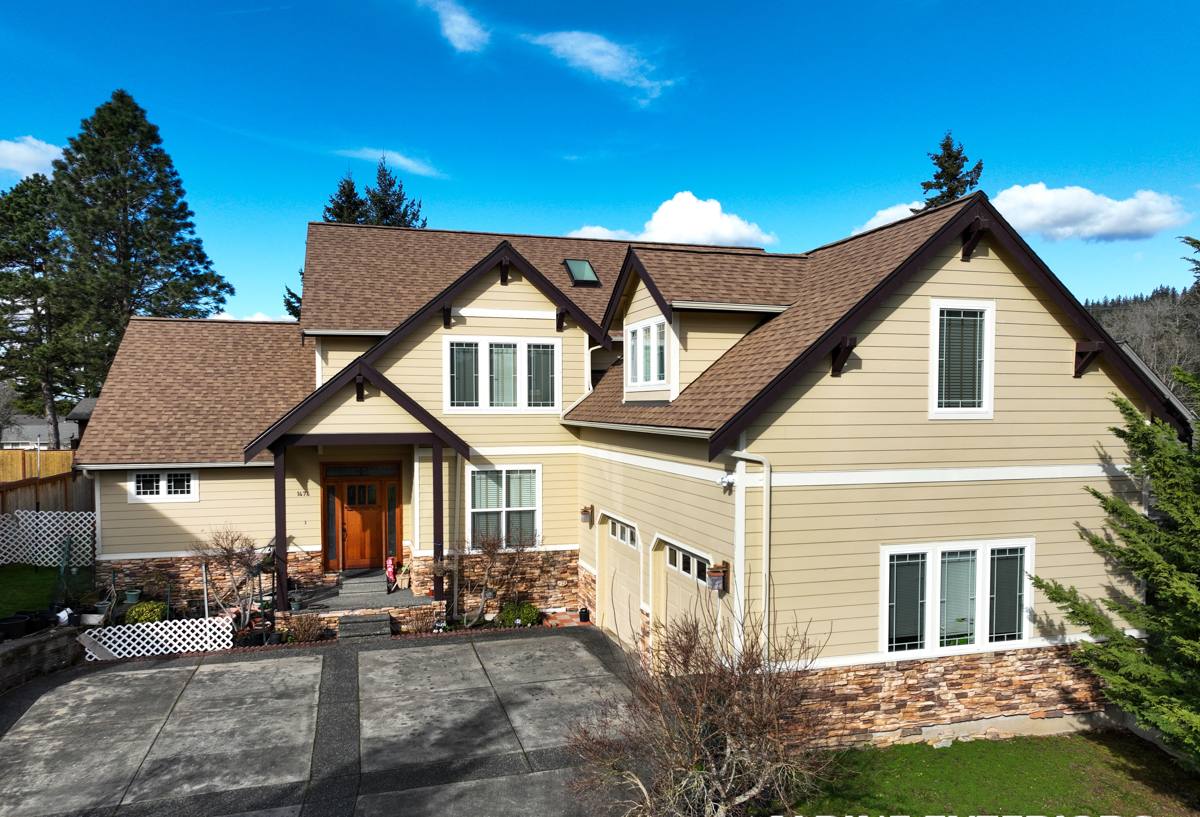
What Tampa's Climate Does to an Under-Built Deck
Four things drive almost every deck failure or premature repair we see in this part of Tampa:
- Hurricane-force wind: Loose railings, undersized ledger connections, and inadequate post anchoring are the first things to fail when a storm pushes through.
- Year-round UV exposure: Florida sun breaks down wood fibers and fades or chalks lesser finishes and composite capping far faster than the same products age in cooler climates.
- Wind-driven rain: Rain that comes in sideways during storms gets under railings, into end grain, and behind poorly flashed ledger boards — this is where rot starts, not from rain falling straight down.
- Salt air: Hyde Park's closeness to Hillsborough Bay means airborne salt reaches fasteners, brackets, and any exposed metal, accelerating corrosion well beyond what you'd see a few miles further inland.
None of these are exotic problems — they're the normal cost of building outdoors in coastal, hurricane-exposed Florida. The difference between a deck that lasts fifteen-plus years and one that needs board replacement in year four almost always comes down to material choice and installation detail, not the brand name on the decking.
What a Correctly Built Deck Involves Here
Foundation and Framing
Everything starts below the decking. Footings need to be sized and set to local frost-free, load-bearing standards, and posts need proper anchoring hardware rated for wind uplift, not just gravity load. On older Hyde Park lots we often find drainage that wasn't accounted for originally — post bases sitting in water after heavy rain accelerate rot no matter what species of wood is used above them. We grade and set footings with that in mind rather than just matching what was there before.
Ledger Attachment and Flashing
Where a deck attaches to the house is the single most common failure point we find on Tampa homes. A ledger board that isn't properly flashed lets wind-driven rain track behind it and into the house's rim joist or sheathing — a slow, hidden rot problem that's expensive to fix once it's found. Correct flashing, proper fastener spacing, and a small air gap or flashing tape system between ledger and house band board are not optional details in this climate.
Fasteners and Hardware
This is where salt air does the most damage if it's overlooked. Standard galvanized fasteners corrode faster near the bay than most homeowners expect, leading to rust streaking, weakened connections, and eventually loose boards. We use stainless steel or coated fasteners rated for coastal exposure on connections that matter structurally, and hidden fastener systems where appearance and long-term board grip both count.
Decking Material Comparison for This Climate
There's no single "best" decking material for every Hyde Park home — it depends on budget, how much upkeep the owner wants to do, and how the deck will be used. Here's how the common options actually perform under Tampa sun, humidity, and salt exposure:
| Material | UV / Fade Behavior | Moisture & Rot Resistance | Maintenance | Typical Lifespan Here |
|---|---|---|---|---|
| Pressure-treated pine | Fades and grays without regular finish | Good if sealed; end grain is the weak point | Needs cleaning and re-sealing every 1-2 years | 10-15 years |
| Tropical hardwoods (e.g., ipe) | Grays over time; UV oils slow it | Naturally dense and rot-resistant | Periodic oiling to keep color; low structural upkeep | 20-25+ years |
| Capped composite | Fade-resistant caps hold color well | Doesn't rot; core can absorb moisture if capping is cut/damaged | Occasional washing, no sealing or staining | 20-25+ years |
| PVC decking | Very stable color retention in full sun | Fully moisture-proof, no rot risk | Lowest upkeep of the group | 25+ years |
We'll walk through this trade-off honestly during an estimate rather than steering every job toward the highest-margin product. A lower-maintenance material costs more up front but saves real labor and money in refinishing over a fifteen-year span — that math matters more in a climate this hard on wood than it does further north.
Wind Load, Railings, and Hillsborough County Permitting
Hillsborough County requires permits for most new deck construction and many substantial rebuilds, and inspection covers footing depth, structural connections, and railing height and spacing — all of which matter more here because of hurricane wind exposure, not less. Railings in particular need to meet code spacing and be anchored to resist lateral wind load, not just support a hand leaning on them. We pull permits, coordinate inspections, and build to the load requirements that apply in this county rather than treating code as a minimum to work around. Skipping or shortcutting this step is one of the more common reasons homeowners run into trouble at resale, since an unpermitted deck often surfaces during a buyer's inspection.
Our Process for a Hyde Park Deck Project
- On-site assessment: We look at the existing structure (if there is one), lot drainage, sun exposure, and how the deck connects to the house.
- Material and design discussion: We go over decking, railing, and hardware options against your budget and how much upkeep you want long-term.
- Written estimate: A clear scope and price before any work starts — no vague allowances.
- Permitting: We handle the Hillsborough County permit application and schedule required inspections.
- Build: Footings, framing, ledger flashing, decking, and railing installed in that order, with attention to the connection details that fail first in coastal wind and rain.
- Final walkthrough: We go over care and maintenance specific to whatever material you chose before we consider the job done.
Maintenance: What It Actually Takes in This Climate
Every deck material needs some upkeep in Tampa's climate — the honest question is how much. Wood decks need real commitment: cleaning, inspection for soft spots, and re-sealing on a schedule, because UV and moisture cycling don't pause for a season here the way they might further north. Composite and PVC decking cut that workload significantly but aren't entirely maintenance-free — debris, mildew in shaded areas, and periodic washing still apply. Whatever material is chosen, hardware and fastener condition should be checked at least once a year given the salt air near the bay, since corrosion problems are far cheaper to catch early than after a board comes loose.
Designing for Hyde Park's Character
Hyde Park's older homes, mature trees, and mix of architectural styles mean a deck here often needs to read as an extension of the house rather than an obvious add-on. That can mean matching railing profiles to existing porch or trim details, choosing decking tones that work with the home's exterior palette, and accounting for shade from established trees when planning drainage and finish selection — deep shade slows drying time after rain and changes how quickly mildew shows up on certain materials. We design around what's already there rather than defaulting to one standard look for every job.
Why Working With a Crew That Knows This Neighborhood Matters
A deck built to a generic national standard can still fail early in this specific climate — the difference is in details a crew only gets right through repeated experience with Tampa Bay conditions: how ledger flashing needs to be handled against local humidity cycles, which fastener grade actually holds up this close to the bay, and how county inspectors here expect wind-rated connections to be documented. A few things worth asking any contractor before you hire them for deck work in this area:
- Do they pull permits and schedule inspections themselves, or leave that to you?
- What fastener and hardware grade do they use, and why?
- How do they flash and detail the ledger connection to the house?
- Can they explain the maintenance trade-offs between materials honestly, not just push the highest-margin option?
- Do they have experience specifically with Hillsborough County wind-load and railing requirements?
If a contractor can't answer those clearly, that's worth noticing before you sign anything.
Get a Free, No-Pressure Estimate
If you're planning a new deck or need to replace one that's showing its age, we're happy to take a look, talk through material options honestly, and put together a clear written estimate — no pressure, no obligation. Use the form below to get started.