 Tampa Window
 Decks in Town 'n' Country Wear Out Differently Than Decks Up North
Town 'n' Country is one of the older established communities on the west side of Tampa, and a lot of its housing stock dates back to the ranch-home boom of the 1960s through 1980s. Decks and porch structures added or rebuilt over the decades in this part of Hillsborough County take a beating that has nothing to do with age and everything to do with climate. Between the intense, near year-round UV exposure, wind-driven summer rain, the humidity that never really lets wood dry out completely, and the corrosive effect of salt-laden air blowing in off Tampa Bay, an outdoor deck here ages on a compressed timeline compared to the same structure in a drier or cooler climate.
That's the backdrop for every deck replacement we do in this neighborhood. We're not just swapping old boards for new ones — we're building a structure that has to survive Florida sun, hurricane-season wind gusts, and the kind of afternoon downpours that can dump an inch of rain in twenty minutes, year after year, without warping, cupping, or quietly rotting from the inside where you can't see it.
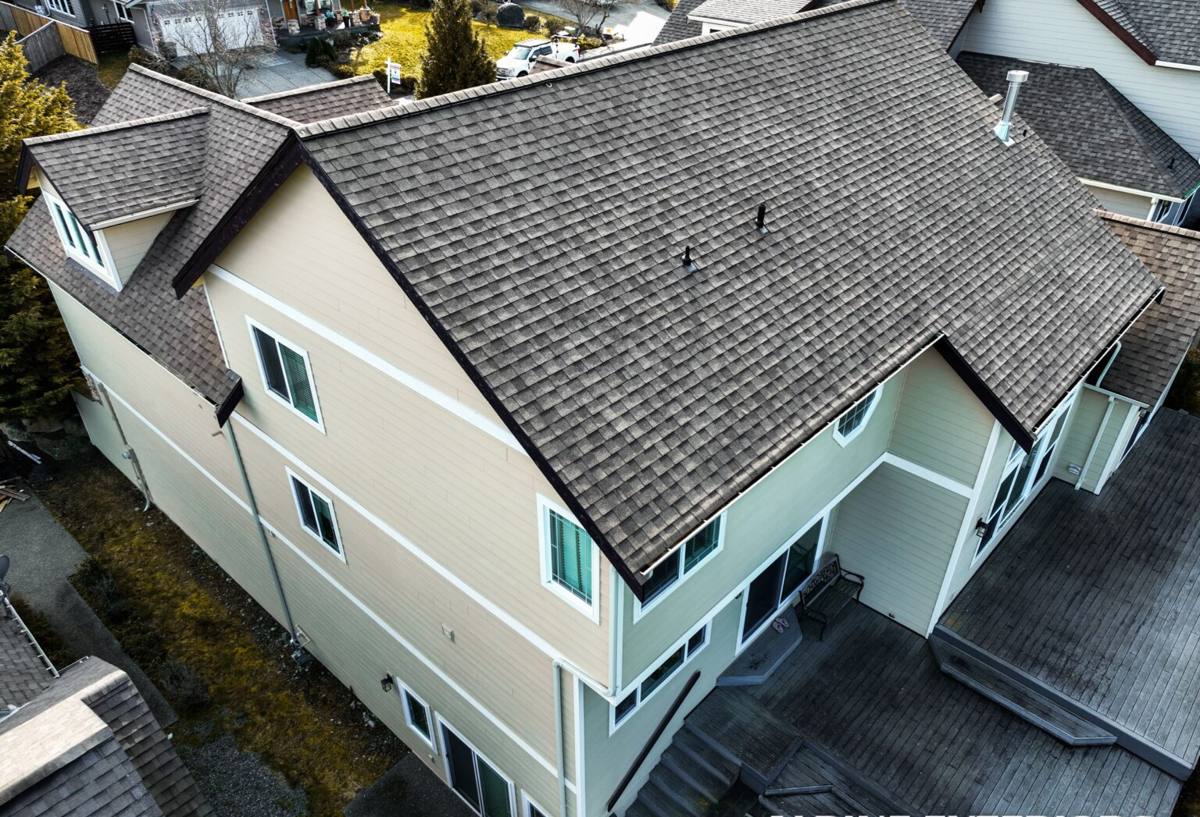
Signs a Town 'n' Country Deck Needs Replacement, Not Repair
Homeowners often call us thinking they need a few boards swapped, and sometimes that's true. But there's a point where patching a deck costs more over time than starting fresh with a structure built to current code and current materials. Here's what tells us a deck is past the point of spot repair:
- Soft, spongy, or springy spots underfoot — usually a sign the joists or ledger board beneath the decking have started to rot
- Fasteners that have rusted, backed out, or left dark streaking around the nail or screw heads
- Visible gaps opening up between boards from repeated wet-dry cycling
- A ledger board pulling away from the house, or flashing that's missing or failing where the deck meets the exterior wall
- Railings or posts that wiggle when pushed — a structural issue, not a cosmetic one
- Graying, splintering wood that no longer holds a stain or sealer coat for more than a season
- Any structure built before current Florida Building Code wind and connection requirements, especially if it was never permitted
If more than one of these shows up at once, it's usually cheaper in the long run to replace the whole deck than to keep chasing repairs on a structure that's already failing underneath.
Why Ledger Boards and Footings Matter More Here
The ledger board — where the deck attaches to the house — and the footings holding up the posts are the two places we see the most trouble in this climate. Wind-driven rain gets behind poorly flashed ledger connections and rots the rim joist of the house itself, which turns a deck problem into a structural home-repair problem. Footings that were never poured to the depth or diameter Hillsborough County requires can shift in Florida's sandy, often waterlogged soil. Both of these are things you can't fully judge from the surface, which is why a proper replacement starts with actually opening things up and looking, not just measuring for new decking.
Material Options for Tampa-Area Decks
There's no single "right" material for every deck — it depends on budget, how the deck will be used, and how much upkeep you're willing to commit to. We'll walk through the honest trade-offs rather than push one product line.
| Material | Upfront Cost | Maintenance | How It Handles Florida Climate |
|---|---|---|---|
| Pressure-treated pine | Lowest | Annual sealing/staining recommended | Prone to warping, splitting, and graying without consistent upkeep; UV and humidity are hard on it |
| Composite decking | Mid to upper-mid | Occasional washing, no staining/sealing | Resists rot and UV fading well; quality varies significantly by brand and core construction |
| PVC/capped polymer decking | Highest | Lowest — wash only | Fully sealed surface handles moisture and salt air with minimal degradation |
| Tropical hardwoods (ipe, etc.) | High | Periodic oiling to maintain color | Naturally dense and rot-resistant, but installation is unforgiving and mistakes are costly to fix |
For most Town 'n' Country homeowners, we lean toward composite or capped polymer decking for the walking surface because it removes the annual sealing chore that Florida's sun and rain make almost mandatory with untreated wood. That said, the substructure — the frame, joists, and posts that nobody sees — is a different conversation, and we still use pressure-treated or engineered lumber there, installed with corrosion-resistant fasteners rated for coastal exposure.
What a Correct Deck Replacement Actually Involves
A deck replacement done right isn't just tear-off-and-rebuild with new boards. In this climate, the details that don't show on the surface are what determine whether the new deck lasts 20 years or 6.
Structural Basics
- Footings sized and set to the depth Hillsborough County requires for the deck's load and height
- Properly flashed ledger board connection, or a freestanding structure where ledger attachment isn't sound
- Joist hangers and structural connectors rated for coastal/high-humidity exposure, not standard interior-grade hardware
- Hurricane-rated fasteners and connections at posts and rail systems to meet current wind-load requirements
- Proper spacing between boards to allow airflow and drainage underneath
Permitting
Deck replacements in unincorporated Hillsborough County generally require a permit, especially for any structure attached to the house or elevated above a certain height. Skipping the permit might save a little time upfront, but it creates real problems at resale — an unpermitted structure can hold up a home sale or trigger a costly retrofit demand from a buyer's inspector. We pull the permits and schedule the inspections as part of the job, not as an afterthought.
Our Deck Replacement Process
- On-site assessment. We look at the existing structure from underneath, check the ledger connection, footings, and framing condition, and talk through how you actually use the space.
- Material and layout decision. Based on budget, sun exposure, and maintenance preference, we go over decking, railing, and fastener options with straight talk about trade-offs.
- Permit and plan. We handle the permit application and any engineering documentation the county requires.
- Demolition and structural rebuild. The old deck comes down, and we rebuild the frame, footings, and ledger connection to current code before a single new board goes down.
- Decking, railing, and finish work. Surface material and railings go in, with attention to fastening patterns that hold up under thermal expansion and contraction.
- Final inspection and walkthrough. We schedule the county inspection and walk the finished deck with you before calling the job done.
What Deck Replacement Typically Costs
Every deck is different, so treat this as a starting point for a conversation, not a quote. The biggest cost drivers are size, decking material, and how much of the substructure needs to be rebuilt versus reused.
| Factor | Impact on Cost |
|---|---|
| Deck size (square footage) | Largest single driver — cost scales roughly with area |
| Decking material (PT pine vs. composite vs. PVC) | Material alone can shift total cost by a significant margin |
| Height and stairs | Elevated decks and multi-run stairs add framing and railing complexity |
| Footing/foundation condition | Reusing sound footings costs less than repouring to current code |
| Railing style | Basic wood rail vs. aluminum, cable, or composite rail systems vary widely |
| Permit and engineering requirements | Larger or taller structures may need engineered plans, adding to cost |
Most straightforward residential deck replacements in this area land in a broad mid-four to low-five-figure range depending on size and material, with elaborate multi-level or premium-material decks running higher. We'll give you a firm number after seeing the actual structure and site conditions — not a phone estimate.
Living With a Florida Deck: Maintenance That Actually Matters
Whatever material you choose, a little consistent care goes further than occasional heavy maintenance in this climate.
- Keep gutters and downspouts clear so water isn't dumping directly onto or under the deck
- Sweep debris out from between boards regularly — trapped leaves and pollen hold moisture against the surface
- Rinse salt residue off periodically if the home is close enough to the bay to catch salt spray
- Check railing posts and stair connections once or twice a year for looseness
- For wood decking, plan on resealing on a regular schedule rather than waiting until it visibly grays
- After a named storm or major wind event, walk the deck and check fasteners and railings before assuming everything's fine
Why a Crew That Already Works Town 'n' Country Matters
Deck replacement isn't just carpentry — it's carpentry that has to answer to Hillsborough County's permitting office, the Florida Building Code's wind provisions, and the specific soil and drainage conditions found in this part of Tampa. A crew that already works in Town 'n' Country and the surrounding west Tampa neighborhoods knows the county's inspection expectations, has already dealt with the sandy, sometimes high-water-table soil common here, and isn't learning coastal-grade fastening requirements on your project. That familiarity shows up in fewer surprises mid-job, fewer failed inspections, and a deck that's actually built for the climate it has to survive rather than a generic build shipped in from a national playbook.
Get a Straight Answer on Your Deck
If your deck is showing soft spots, loose railings, or just isn't holding up the way it should, we're happy to take a look and give you an honest read on repair versus replacement — no pressure, no sales script. Fill out the form below for a free estimate on your Town 'n' Country deck replacement.