 Tampa Window
 Roof Replacement in Clearwater: What Local Homes Actually Need
Clearwater sits right on the Gulf, which means its roofs work harder than roofs almost anywhere else in the country. Between hurricane-force wind events, wind-driven rain that finds every weak seam, relentless UV exposure nearly every day of the year, and salt air that accelerates corrosion on fasteners and flashing, a roof here ages differently than one fifty miles inland. When it's time to replace a roof in this area, the job isn't just "put new shingles on" — it's building an assembly that's matched to what the Gulf Coast throws at it.
We work on homes throughout Clearwater and the surrounding Tampa Bay area regularly, and the patterns repeat: roofs that failed early because the underlayment wasn't rated for the humidity, flashing that corroded years ahead of schedule because of salt exposure, and shingles that were never rated for the wind speeds this coastline actually sees. A correct replacement addresses all of that up front instead of leaving it for the next owner to discover during the next storm.
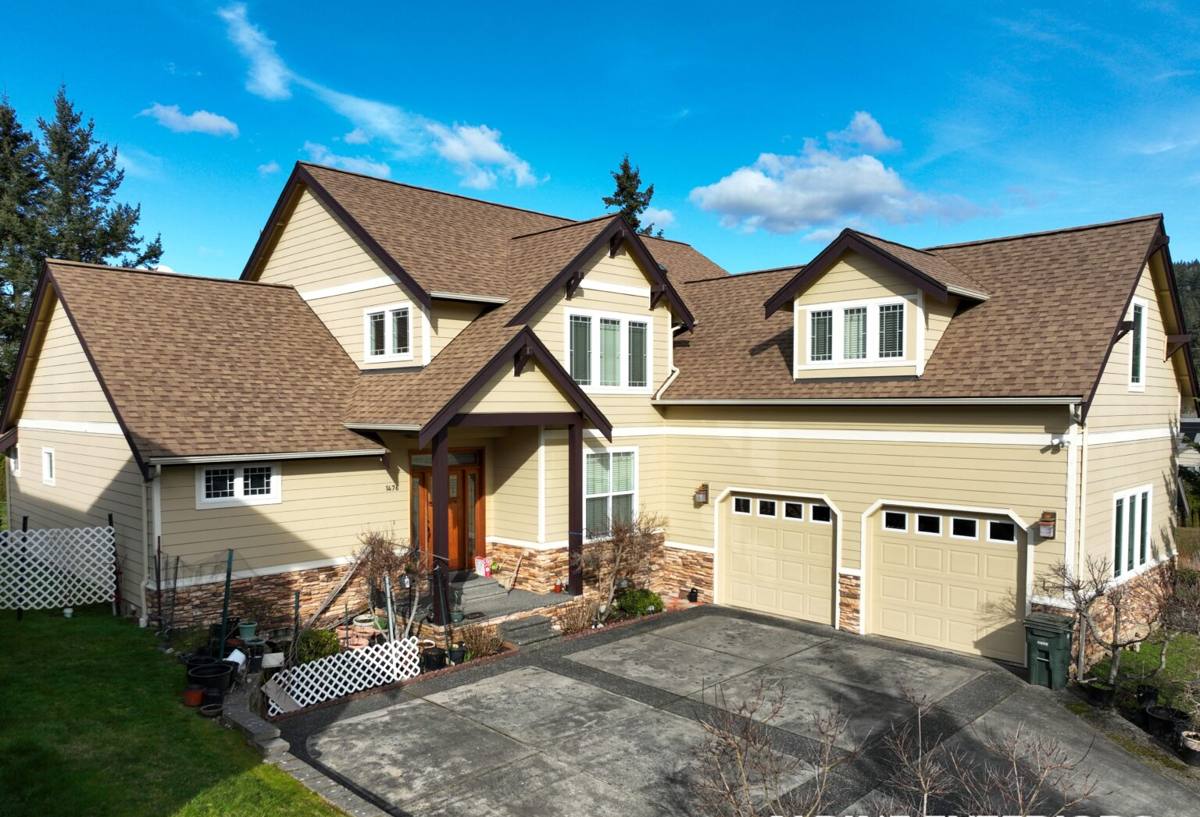
Why the Gulf Coast Climate Changes the Job
Wind
Clearwater's proximity to the Gulf means roofs need to be built to handle sustained high winds and the uplift forces that come with hurricane-strength gusts. That's not just about the shingle rating printed on the wrapper — it's about how the roof deck is fastened, how many nails go into each shingle, and whether the starter strip and hip/ridge caps are installed to actually resist wind uplift rather than just meeting the bare minimum.
Wind-Driven Rain
Storms here rarely come in straight down. Wind-driven rain gets pushed sideways and upward under laps, around penetrations, and along edges that would stay dry in a calmer climate. That's why underlayment choice and detailing at valleys, chimneys, skylights, and wall-to-roof transitions matter more here than in most parts of the country — a roof that's "good enough" inland can leak in Clearwater.
UV Exposure
Florida sun is intense and consistent year-round, and it breaks down roofing materials from the surface in. Asphalt shingles lose oils and granules faster under this kind of sun load, which is part of why the specific product line and its UV rating matter more here than the marketing on the package suggests.
Salt Air
Being close to the water means airborne salt settles on and corrodes exposed metal — nails, flashing, vent stacks, and fasteners — well before it would in a drier, inland location. Roofs replaced with standard-grade fasteners and flashing in coastal zones tend to show rust streaks and early metal failure years ahead of schedule.
What a Correct Roof Replacement Involves Here
A roof replacement done right in Clearwater isn't a single decision — it's a stack of decisions that each account for the local climate:
- Tear-off down to the deck, with the deck inspected and any soft or water-damaged sheathing replaced before anything new goes on
- Underlayment rated for high heat and humidity, installed with proper laps for wind-driven rain resistance
- Corrosion-resistant fasteners and flashing suited for a coastal, salt-air environment
- Wind-rated shingle or roofing product installed to the fastening pattern that actually earns that wind rating, not just the minimum code nail count
- Proper detailing at every penetration — vent stacks, chimneys, skylights — since these are the most common leak points in wind-driven storms
- Ventilation checked and corrected if needed, since poor attic ventilation shortens roof life under constant Florida heat
- Ice-and-water-shield-equivalent protection at valleys and eaves where water concentrates during heavy rain events
Skip any one of these and the roof might look fine for a year or two, but it won't perform the way it should when the next serious storm comes through.
Roofing Materials: Trade-Offs for This Climate
There's no single "best" roofing material for every home — it depends on budget, roof pitch, HOA rules, and how long you plan to own the home. Here's how the common options stack up for a coastal Tampa Bay property:
| Material | Wind Performance | Coastal Considerations | Typical Lifespan Here |
|---|---|---|---|
| Architectural Asphalt Shingle | Good, when installed with proper nailing pattern and rated product | UV and salt exposure shorten lifespan versus inland installs; quality underlayment matters more | 15-20 years |
| Metal Roofing | Excellent wind uplift resistance | Needs corrosion-resistant fasteners and coatings; performs well against salt air when properly specified | 30-50 years |
| Tile (Concrete or Clay) | Very good, but individual tiles can be dislodged by extreme wind if not properly fastened | Heavy — deck and structure must support it; underlayment failure is the real risk over time, not the tile itself | 30-50 years |
| Flat/Low-Slope Membrane | Depends on attachment method; needs correct edge detailing | Common on additions and porches; ponding and UV breakdown are the main long-term risks | 15-25 years |
We'll walk through which option fits your home, your roof's pitch and structure, and your budget honestly — including the maintenance and long-term trade-offs of each, not just the upfront cost.
A Note on Product Choice and Warranty Structure
Not every roofing product on the market is a good fit for a coastal Florida install, and we're upfront about that. Some lower-tier shingle lines carry wind ratings that only apply under lab conditions with enhanced fastening that most installers skip, and some warranty structures shift the burden of proof onto the homeowner if a coastal-climate failure occurs. Our standard is to install products with wind ratings and warranty terms that actually hold up to how this roof will really be used — sun, salt, and storms — rather than the cheapest option that technically meets code minimums. That sometimes means steering a homeowner toward a slightly higher-tier product; we'll explain exactly why when we do.
Our Process for a Clearwater Roof Replacement
- Inspection and assessment — We look at the current roof, the deck condition, ventilation, and any signs of past leaks or storm damage before recommending anything.
- Honest estimate — You get a clear scope of work and pricing, with material options explained in plain terms, not upsold.
- Tear-off and deck repair — Old roofing comes off completely; any compromised decking is replaced, not covered over.
- Underlayment and flashing — Installed to standards that account for wind-driven rain and coastal corrosion, not just code minimums.
- Roofing material installation — Installed to the fastening and detailing specs that actually earn the wind rating you're paying for.
- Final walkthrough — We review the finished roof with you and answer questions before we consider the job done.
Why Local Experience Matters for This Job
Roofing crews that mainly work inland don't always account for what a coastal Pinellas County property actually needs — the fastening patterns, flashing materials, and underlayment choices that make sense in a drier, calmer climate aren't always adequate here. A crew that regularly works Clearwater roofs knows which details cause callbacks in this specific environment and builds around them from the start, rather than learning the hard way after a storm season.
That local experience also means knowing what permitting and inspection expectations look like in this part of the Tampa Bay area, so the job moves without unnecessary delays or surprises partway through.
Signs Your Clearwater Roof May Need Replacement, Not Repair
Not every roof problem calls for a full replacement, but there's a point where patching stops making financial sense. Common signs it's time to talk about replacement rather than another repair:
- Granule loss heavy enough that shingles look bare or patchy in spots
- Multiple past repairs in different areas of the roof, rather than one isolated issue
- Visible sagging anywhere on the roof deck
- Curling, cracking, or missing shingles across a large portion of the roof, not just one section
- Rusted or deteriorated flashing around chimneys, vents, or skylights
- A roof approaching or past its expected lifespan, especially after a recent storm season
If you're only seeing one or two of these in a small, isolated area, a repair may still be the right call — we'll tell you honestly which situation you're in rather than defaulting to the bigger job.
Get a Free, No-Pressure Estimate
If your Clearwater home's roof is showing its age or you just want a straight answer about what condition it's really in, we're happy to take a look. The estimate is free, there's no pressure to commit on the spot, and you'll get a clear explanation of what we find and what your options actually are. Use the form below to get started.