 Tampa Window
 Board & Batten in a Neighborhood Like Carrollwood
Carrollwood's mix of established ranch homes, mid-century traditional styles, and newer farmhouse-inspired renovations makes board and batten one of the most requested siding looks in this part of Hillsborough County. The vertical lines and raised battens read as clean and substantial, whether it's used across a whole facade or as an accent on a gable, porch, or addition. It's a style choice, but on a house in this climate it's also a performance decision — the material and the installation method matter as much as the look.
We install board and batten as part of our standard service area, and we treat it the same way we treat every other siding project we take on: one manufacturer, one system, installed to spec. That's James Hardie fiber cement, and nothing else. Below is what that actually means for a Carrollwood home, and what separates a board and batten job that lasts from one that causes problems in five years.
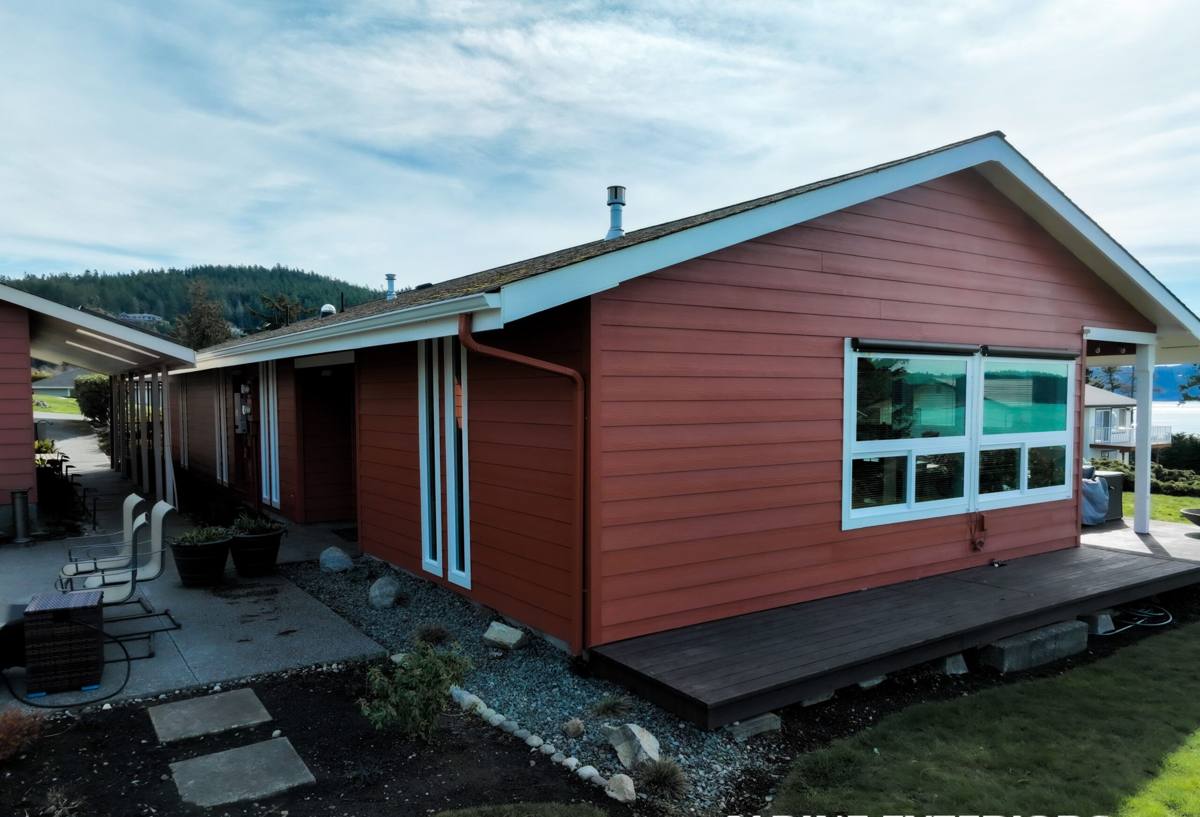
What Tampa's Climate Does to Vertical Siding
Board and batten has more seams, more fasteners, and more vertical joints than lap siding — which means it has more opportunities to fail if it isn't detailed correctly for this climate. Hillsborough County sees a specific combination of stresses that a lot of siding products simply weren't built for.
Hurricane-Force Wind and Wind-Driven Rain
Carrollwood isn't coastal, but it's well within reach of hurricane-force gusts and the wind-driven rain that comes with tropical systems moving through the Tampa Bay area. Rain doesn't fall straight down in these events — it's forced sideways and upward under laps, around trim, and into any gap a panel or batten wasn't sealed against. Vertical siding systems are more exposed to this because water can travel along the batten and find its way behind the panel if the underlying water management wasn't built correctly.
Year-Round UV Exposure
Tampa gets strong, direct sun essentially every month of the year, not just in summer. Paint-grade siding and painted trim take a beating from that exposure — color fades unevenly, and the sun-facing side of a house visibly ages faster than the shaded side. On a board and batten facade, uneven fading is more noticeable than on lap siding because the vertical battens create sharp light and shadow lines that draw the eye.
Salt Air and Humidity
Carrollwood sits close enough to Tampa Bay that salt-laden air and near-constant humidity are part of daily life for exterior materials. Humidity keeps wood-based products damp longer after rain, which accelerates rot and swelling at joints. Salt air corrodes unprotected metal fasteners and trim faster than it would inland, which is why fastener choice and flashing details matter as much as the siding panel itself.
Why We Only Install James Hardie for Board and Batten
We build board and batten using James Hardie's fiber cement system — HardiePanel vertical siding paired with HardieTrim battens — rather than wood, engineered wood, or vinyl board and batten products. This isn't a brand preference; it's a decision based on what actually holds up under Tampa conditions.
Fiber cement is non-combustible and dimensionally stable, meaning it doesn't swell, cup, or split the way wood and some engineered wood products can when they take on repeated moisture cycles. James Hardie's HZ10 product line is engineered specifically for high-humidity, high-moisture climates like Florida's, with a formulation built to resist moisture-related damage in exactly the conditions Carrollwood sees for most of the year. The factory-applied ColorPlus finish is baked on and warrantied against fading, chipping, and cracking — which matters directly on a board and batten facade, where fading shows up as obvious streaking along the battens rather than blending in.
We don't install LP SmartSide, vinyl board and batten panels, Cemplank, Allura, or primed wood battens. Each of those has a legitimate place in the market, but they come with trade-offs — moisture sensitivity, shorter or more limited warranties, more frequent repainting, or installation tolerances that are easy to get wrong — that we're not willing to put our name behind on a Tampa exterior. Hardie is what we've standardized on because it's the product we can back with a real warranty and a system that's actually built for this climate.
What a Correct Board and Batten Job Actually Involves
Board and batten looks simple — panels and strips — but the installation has more failure points than most homeowners expect. A correct job addresses each of these deliberately.
Water Management Behind the Panel
Every board and batten installation needs a drainage plane and weather-resistive barrier behind the panels, with flashing at every horizontal transition, window, and door opening. Battens are fastened in a way that doesn't trap water against the panel joint underneath. This is the single most common place we find shortcuts on prior installations — water management done to code minimum instead of built for a climate that gets wind-driven rain multiple times a year.
Fastening for Wind Load
Fastener type, spacing, and embedment depth all have to match James Hardie's published specifications for our wind zone, not a generic national spec. Hillsborough County's building code reflects local wind-load requirements, and using the wrong fastener schedule is one of the fastest ways for a board and batten job to fail in a storm even if it looks fine on a calm day.
Joint and Trim Detailing
Panel seams, corners, and the transition into window and door trim all need to be sealed and flashed correctly, with expansion gaps sized per manufacturer instructions. Get this wrong and you get caulk failure within a year or two — which then lets water behind the siding regardless of how good the panel itself is.
Material Comparison for Board and Batten Siding
| Material | Moisture/Rot Resistance | UV/Color Retention | Wind & Impact Performance | Typical Maintenance |
|---|---|---|---|---|
| James Hardie fiber cement | High — engineered for humid climates | High — factory ColorPlus finish, warrantied against fading | Rated for high-wind zones when installed to spec | Periodic caulk/paint checks; no repainting for color-matched finish |
| Engineered wood (e.g., LP SmartSide) | Moderate — vulnerable at cut edges and joints if not sealed | Moderate — field-painted finishes fade and need repainting | Adequate when installed correctly | Regular repainting and edge sealing |
| Solid wood | Low to moderate — absorbs moisture, prone to swelling/rot | Low — fades and weathers quickly in direct sun | Variable; splits and warps over time | Frequent repainting/staining, rot inspection |
| Vinyl board and batten | High for the material, but seams can trap moisture behind it | Low to moderate — fades and can become brittle in high UV | Can crack or blow off in high wind if not properly fastened | Low, but limited repair options if damaged |
Our Process for a Carrollwood Board and Batten Project
Every project starts with an in-person inspection of the existing siding, trim, and any moisture or rot already present behind the walls — you can't design the right water management plan without knowing what's actually there. From there we measure and put together a detailed proposal covering panel layout, batten spacing and reveal, trim details, and color selection from James Hardie's ColorPlus palette.
Permitting in Hillsborough County follows local wind-load and code requirements, and we handle that as part of the job rather than leaving it to the homeowner. Installation follows James Hardie's written specifications for fastening, flashing, and joint treatment — not shortcuts to save a day of labor. When the job wraps up, we register the manufacturer's warranty in the homeowner's name and walk through basic care so there's no ambiguity about what's covered.
Why It Matters That We Already Work in Carrollwood
A crew that's already worked in Carrollwood knows the kinds of homes here, the permitting expectations from Hillsborough County, and how the local climate has treated the siding on similar houses nearby. That familiarity shows up in small but real ways — knowing which detailing tends to fail first on this style of home, having a realistic sense of project timelines around Florida's rainy season, and being available for a warranty check or a question after the job is done instead of being three counties away.
Board and batten in particular rewards that experience, because so much of whether it lasts comes down to installation judgment calls that a spec sheet alone doesn't cover — how to detail a corner, how to handle an unusual wall height, how to keep reveal spacing consistent across a whole facade.
What to Ask Before You Hire
- Are you a James Hardie-certified or preferred installer, and can you show it?
- What fastener type and spacing schedule will you use, and does it match the wind zone for this address?
- What's the water management plan behind the panels — drainage plane, flashing, joint treatment?
- Is the manufacturer's warranty registered in my name after installation, and what does it actually cover?
- Can you walk me through how you'll handle transitions at windows, doors, and corners before work starts?
- Are you licensed and insured to do exterior work in Hillsborough County?
If you're considering board and batten for a Carrollwood home, we're glad to take a look and give you an honest read on what the project involves — no pressure, no upsell, just a straight answer on what your house needs. Fill out the form below for a free estimate.