 Tampa Window
 Metal Roofing Built for Brandon's Weather
Brandon sits inland from Tampa Bay but still takes the full brunt of what Hillsborough County weather delivers each year: tropical systems with sustained hurricane-force gusts, months of intense subtropical sun, and the kind of wind-driven rain that finds every weak seam in a roof system. A roof here isn't just shedding water — it's holding on through wind events, resisting UV breakdown that shortens the life of lesser materials, and standing up to the humid, salt-influenced air that moves in off the Gulf. Metal roofing, installed correctly, handles all of that better than most alternatives, which is why we install and service it regularly for homeowners across Brandon.
The key phrase is "installed correctly." Metal roofing has a well-earned reputation for durability, but that reputation only holds up when the deck prep, fastening, flashing, and ventilation are done right for this specific climate. A rushed or generic install can turn a 40-50 year roof system into one with leaks and fastener problems in under a decade.
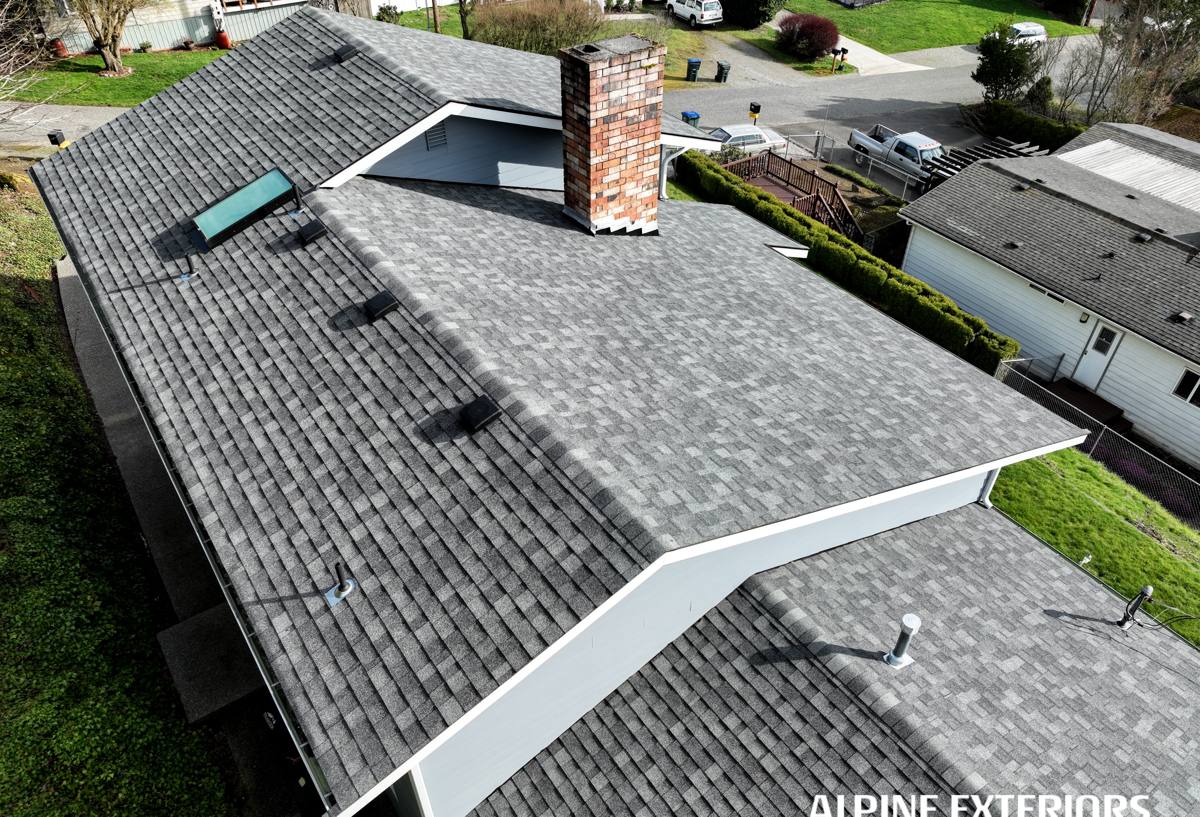
What a Correct Metal Roof Installation Involves
Metal roofing looks simple from the ground — panels, seams, done. In practice, a correct install in a wind- and rain-exposed area like Brandon comes down to details most homeowners never see:
- Deck inspection and repair — any soft, rotted, or delaminated decking gets replaced before a single panel goes down. Metal fastened to a compromised deck will fail at the fasteners first.
- Underlayment — a self-adhering, high-temperature underlayment as a secondary water barrier, since metal panels alone are not the only line of defense against wind-driven rain.
- Fastening pattern and clip spacing — matched to the wind uplift ratings required for our area, not a generic national spacing that assumes lower wind exposure.
- Flashing at every penetration — vents, chimneys, valleys, and wall transitions are where the overwhelming majority of roof leaks start, metal or otherwise.
- Ventilation — proper ridge and soffit airflow so heat and moisture don't build up under the panels, which affects both attic temperatures and the long-term life of the underlayment.
Panel Types We Install
Not every metal roofing product is a fit for every home or budget, and we'll walk through the honest trade-offs rather than push whatever's easiest to install.
| Panel Type | How It's Fastened | Best Fit |
|---|---|---|
| Standing seam | Concealed clips, no exposed fasteners through the panel face | Homeowners who want the longest maintenance interval and the cleanest look; our default recommendation for full re-roofs |
| Exposed-fastener (screw-down) | Screws through the panel face into the deck or purlins | Budget-conscious projects, outbuildings, or accent roofing where periodic fastener inspection is acceptable |
| Metal shingles/shakes | Interlocking panels styled to mimic shingle or tile profiles | Homes in neighborhoods where a traditional roofline look is preferred but the owner still wants metal's durability |
Exposed-fastener panels cost less up front but the screws' rubber washers dry out and need re-checking over the years — a maintenance item we're upfront about, not a reason to avoid the product, just a factor in choosing it. Standing seam has no exposed fasteners to maintain, which is a big part of why it's become the standard choice for full roof replacements in our area.
Wind Ratings, Codes, and Permitting
Florida's building code sets minimum wind uplift and fastening requirements based on location, and Hillsborough County enforces those standards through the permitting process. A metal roof install in Brandon needs to meet the same wind-resistance thresholds as anywhere else in the county's coastal-influenced wind zones — this isn't optional or something a contractor can substitute a lighter spec for to save time. We pull permits, schedule the required inspections, and provide the documentation many insurance carriers now ask for when a metal roof is installed to current wind-rated standards. That paperwork matters later — for insurance claims, for resale, and for warranty coverage.
Our Process, Start to Finish
- On-site assessment — we inspect the existing roof, deck condition, flashing points, and attic ventilation, and take accurate measurements.
- Written estimate — a clear breakdown of panel type, underlayment, flashing work, and any deck repair, with no vague allowances.
- Permitting — we handle the Hillsborough County permit and schedule required inspections so you don't have to chase paperwork.
- Tear-off and deck prep — old roofing removed, deck inspected and repaired as needed before anything new goes down.
- Underlayment and flashing — the water-shedding layers that do most of the real work, installed before panels.
- Panel installation — set to the fastening and clip spacing required for our wind zone, with attention to seams, valleys, and edges.
- Final walkthrough and cleanup — magnetic sweep for stray fasteners, full site cleanup, and a walkthrough so you know what was done and why.
What Drives the Cost of a Metal Roof in Brandon
Every roof is different, so we won't quote a number without seeing the home — but these are the factors that actually move the price up or down:
| Factor | Effect on Cost |
|---|---|
| Panel type (exposed-fastener vs. standing seam) | Standing seam costs more upfront due to labor and material; exposed-fastener is the lower-cost entry point |
| Roof pitch and complexity | Steep pitches, multiple valleys, and dormers add labor time and flashing work |
| Deck condition | Rotted or soft decking found during tear-off adds repair cost not visible in the original estimate |
| Underlayment and flashing spec | Higher-grade self-adhering underlayment and custom flashing add cost but reduce long-term leak risk |
| Panel gauge and coating | Heavier-gauge steel and better paint/coating systems cost more but hold up longer against UV and salt-air exposure |
Broadly, metal roofing costs more per square foot than asphalt shingles up front, but the gap narrows over the life of the roof because a well-installed metal system typically outlasts two or more shingle roofs in this climate, with far less maintenance in between.
Living With a Metal Roof in Brandon's Climate
Once it's installed, a metal roof in this area needs very little — but "very little" isn't "nothing." A couple of times a year, especially after a strong storm, it's worth a visual check for:
- Loose or lifted flashing around vents, chimneys, or wall transitions
- Debris buildup in valleys that can trap moisture against the panel
- Any dents or displaced panels after hail or wind-driven debris
- Fastener condition on exposed-fastener systems (washers can dry out over time)
- Rust streaking or coating wear at cut edges or scratches
The intense UV exposure Florida homes get year-round is hard on paint and coatings generally, but quality painted steel and aluminum panels are formulated to resist chalking and fading far longer than shingle granules or coated fiberglass. Salt-influenced air moving inland from Tampa Bay is a slower factor here than it is right on the coast, but it's still part of why we spec coatings and fastener hardware rated for coastal-adjacent exposure rather than a generic inland spec.
Why It Matters That We Already Work in Brandon
A roofing crew that's worked in Brandon regularly already knows the county's permitting process, the inspectors, and the wind-zone requirements that apply here — that familiarity is what keeps a project moving instead of stalling on paperwork. It also means we've seen how roofs in this specific area actually perform after storms, not just in a manufacturer's spec sheet. When a hurricane or strong thunderstorm cell moves through, having a contractor who already knows your neighborhood and can respond quickly for storm-related repairs is worth more than a lower bid from a crew that has to learn the area on your project.
Questions Worth Asking Before You Hire
Whoever you choose for a metal roof in Brandon, these are reasonable things to ask before signing anything:
- Is the fastening pattern and panel spec matched to our county's wind uplift requirements, or is it a generic national spec?
- Will the deck be inspected and repaired before panels go on, and how is that priced if problems are found?
- What underlayment is being used, and is it rated for high-heat, high-humidity exposure?
- Who pulls the permit, and who schedules the required inspections?
- What does the manufacturer's warranty actually cover, and what does the installer warranty cover separately?
If a contractor can't answer these clearly, that's worth noticing before work starts, not after.
If you're weighing metal roofing for a home in Brandon, we're happy to take a look and walk you through what your specific roof needs — no pressure, no obligation. Use the form below to request a free estimate.