 Tampa Window
 Brandon's Climate Is Harder on Siding Than Most Homeowners Realize
Brandon sits inland from Tampa Bay in Hillsborough County, and that gives it a slightly different exposure profile than beachfront communities — but "inland" doesn't mean "easy" on exterior materials. Homes here still take a beating from three things year-round: intense subtropical sun, heavy humidity, and the wind and rain that come through with every tropical system and summer thunderstorm cell. Add in the occasional salt-tinged air that gets carried well inland during larger storms off the Gulf, and you have a climate that ages cheap or poorly-installed siding fast, even a few miles from the water.
We install James Hardie fiber cement siding exclusively, and we work in Brandon regularly. This page covers what actually matters for a siding job in this specific area — not generic siding advice, but what a Brandon home needs from its siding system and what a correct installation looks like here.
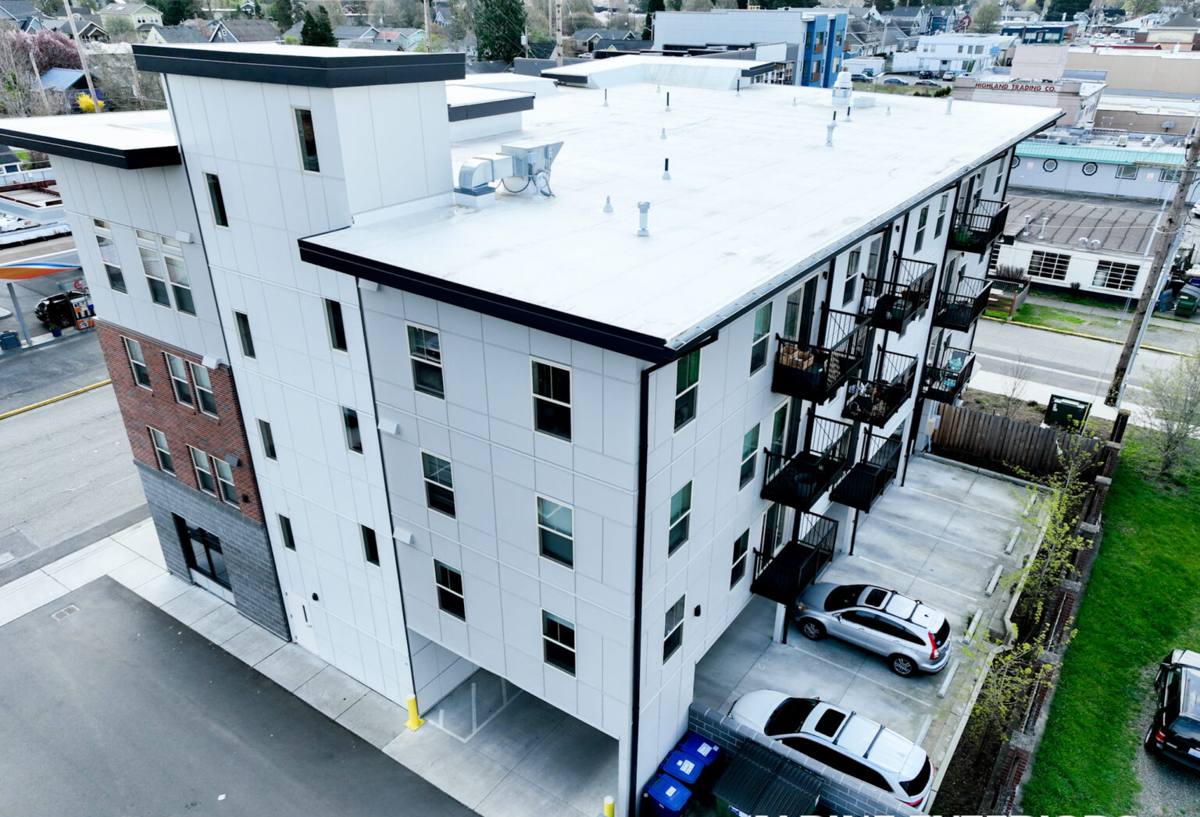
What Tampa Bay Heat and UV Do to Siding Over Time
Hillsborough County gets sun exposure most of the country doesn't deal with — long summers, high UV index most of the year, and surface temperatures on south- and west-facing walls that climb well above ambient air temperature. That constant heat cycling is what breaks down cheaper siding materials over the years:
- Vinyl siding softens, warps, and can visibly buckle on sun-facing walls in extreme heat
- Painted wood and primed wood products chalk, fade, and need repainting far sooner than the label suggests
- Engineered wood products are more vulnerable to swelling and edge damage where the factory coating gets compromised by heat and moisture cycling
- Caulk joints and paint film both break down faster under sustained UV than most manufacturers' warranty language implies
James Hardie's ColorPlus factory-applied finish is baked on and UV-cured specifically to resist this kind of fading and chalking, which is a big part of why it holds color longer than field-applied paint in a climate like ours.
Humidity, Wind-Driven Rain, and Moisture Management
The bigger long-term threat to siding in Brandon usually isn't a single storm — it's sustained humidity combined with wind-driven rain that gets pushed sideways into wall assemblies during thunderstorms and tropical systems. Moisture that gets behind siding and can't dry out is what causes rot, mold, and hidden sheathing damage, and it's almost always a workmanship problem rather than a material problem.
This is where fiber cement has a real advantage over wood-based products: it doesn't absorb and swell the way wood or wood-composite siding can when it takes on water. But the siding itself is only half the story — the house wrap, flashing, and drainage plane behind it matter just as much. A siding product that resists moisture doesn't help you if water gets trapped behind it because the flashing details were rushed.
Where Moisture Problems Usually Start
- Missing or improperly lapped flashing above windows and doors
- Butt joints and corners that weren't properly sealed or backed
- Siding installed too close to the ground or to roof lines, trapping moisture against the bottom edge
- House wrap that was torn, poorly overlapped, or not sealed at penetrations
Hurricane Wind Exposure and Wind Zone Requirements
Hillsborough County falls within Florida's hurricane-prone wind zones, and Brandon homes need siding installed to the fastening and wind-load specifications that go with that exposure — not the lighter-duty install methods that are fine in calmer climates. James Hardie makes this straightforward because its HZ5 product line and installation specs are engineered specifically for high-wind, high-moisture regions like Florida, with nailing patterns and fastener schedules designed to hold under storm-force wind loads.
The wind performance of a siding job comes down to three things: the product's own rating, the fastening schedule actually used, and whether the crew follows the manufacturer's specific installation instructions instead of a generic approach. Under-fastened or improperly nailed siding is one of the most common reasons siding fails in a storm, regardless of what material it's made from.
Why We Standardized on James Hardie for Homes Like These
We made a deliberate decision to install James Hardie fiber cement exclusively and not offer vinyl, LP SmartSide, or other wood-composite siding. For a climate like Hillsborough County's, the trade-offs matter:
| Factor | James Hardie Fiber Cement | Vinyl / Wood-Composite |
|---|---|---|
| Heat/UV resistance | Baked-on ColorPlus finish resists fading and chalking | Vinyl can soften/warp; painted finishes chalk sooner |
| Moisture behavior | Doesn't swell or absorb water like wood-based products | Wood-composite can swell, delaminate at damaged edges |
| Fire performance | Non-combustible | Vinyl and wood-composite are combustible materials |
| Wind performance | HZ5 line engineered for high-wind regions when installed to spec | Wind ratings vary widely by product and installation quality |
| Warranty | Long-term, transferable warranty backing both product and finish | Warranties often prorated or void if not maintained precisely |
None of this means other products can't be installed correctly by someone else. It means that for the climate we work in every day, we don't think the maintenance burden and moisture risk of the alternatives make sense for homeowners here, and we'd rather stand behind one product system we know well than offer several we have reservations about.
What a Correct James Hardie Installation Involves
The product is only as good as the install. On every Hardie job in Brandon, the details that matter most are:
Before the Siding Goes Up
- Inspecting and repairing sheathing — replacing anything soft, rotted, or water-damaged before covering it
- Installing a continuous, properly lapped weather-resistive barrier
- Flashing every window, door, and penetration correctly, with proper laps that shed water downward and outward
During Installation
- Following James Hardie's fastener type, spacing, and nailing pattern specifications for our wind zone
- Proper clearances from grade, roof lines, decks, and other siding terminations so water can drain and the material can breathe
- Correctly sized gaps at butt joints and trim, caulked and backed per manufacturer spec — not just butted tight
- Factory-primed and field-painted cut edges sealed to prevent moisture intrusion at every cut
Finishing Details
- Trim and corner details that direct water away from the wall assembly, not into it
- Final inspection of every seam, joint, and penetration before calling the job complete
Our Process on a Brandon Siding Job
A typical project moves through the same core stages, though timelines shift depending on scope, weather, and permitting:
- On-site assessment — we look at your current siding, sheathing condition, and any moisture or ventilation issues before quoting anything
- Product and color selection — choosing the right Hardie line and ColorPlus finish for your home and HOA requirements, where applicable
- Permitting — pulling the required Hillsborough County permits before work begins
- Tear-off and sheathing repair — removing old siding and fixing any damage found underneath
- Weather barrier and flashing — the step most jobs skimp on and the one that determines whether the siding stays dry for decades
- Installation to spec — fastening, spacing, and joint work done to James Hardie's requirements for our wind zone
- Final walkthrough — checking every detail with you before we consider the job done
Cost Factors for Brandon Homeowners
We don't post fixed pricing because every home's siding scope is different, but the main cost drivers on a Hardie project in this area are consistent:
| Factor | Why It Affects Cost |
|---|---|
| Amount of sheathing repair needed | Rot or water damage found during tear-off has to be fixed before new siding goes on |
| Hardie product line and profile | Lap siding, shingle-style, and panel systems differ in material and labor cost |
| Home size and wall complexity | More corners, dormers, and trim detail means more labor time |
| Trim and accessory scope | Fascia, soffit, and trim work bundled into the project adds cost but improves the finished result |
| Access and site conditions | Multi-story sections, tight lot lines, or landscaping can affect labor time |
Why Hiring a Crew That Already Works in Brandon Matters
Siding installation quality varies enormously by crew, even when the product is identical. A crew that regularly works Hillsborough County homes already understands the local permitting process, the wind zone fastening requirements that apply here, and the moisture and humidity conditions that make correct flashing and clearances non-negotiable. That familiarity shows up in fewer surprises during tear-off, fewer callbacks, and a job that's built to actually perform through hurricane season rather than just look good on installation day.
If you're planning a siding project in Brandon and want a straight answer about what your home actually needs, we're glad to take a look and walk you through it. Reach out for a free, no-pressure estimate — there's a form below to get started.